Bay Window and Porch Roof Repairs in Swindon: Why Small Roofs Leak and How to Fix Them
Bay window and porch roof repairs in Swindon are some of the most common small jobs local roofers get called out for, and some of the most put off. The roof over a bay or front door is often less than 3 square metres, so it's easy to ignore until the plaster above the window starts bubbling. Yet these little roofs take a battering out of all proportion to their size. They sit on the front of the house, usually facing the street and the prevailing south-westerly weather, and they meet the main wall along a joint that has to stay watertight for decades. Swindon gets around 700-750mm of rain a year, less than the UK average of about 1,160mm, but most of it comes in long wet spells between October and March, and that's when a tired flashing gives up. Thousands of the town's Victorian and Edwardian terraces have a bay on every house, and many interwar semis have both a bay and a porch canopy. This guide covers how each type fails, what it costs to fix in 2026, and when you'll need a scaffold.
Why Bay Window and Porch Roofs Leak Before the Main Roof
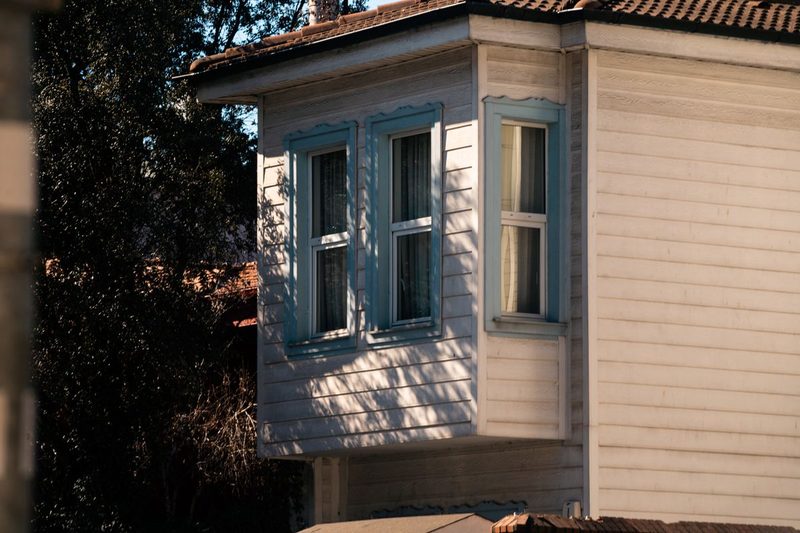
A main roof sheds water over a large, steep slope. A bay or porch roof does the opposite: it's small, often shallow, and it ends hard against a vertical wall. Every litre of rain that runs down the brickwork above lands on the joint where the small roof meets the house. On a typical two-up, two-down terrace the wall above the bay can be 4-5 metres tall, so in a storm the abutment takes far more water than its own roof area would suggest.
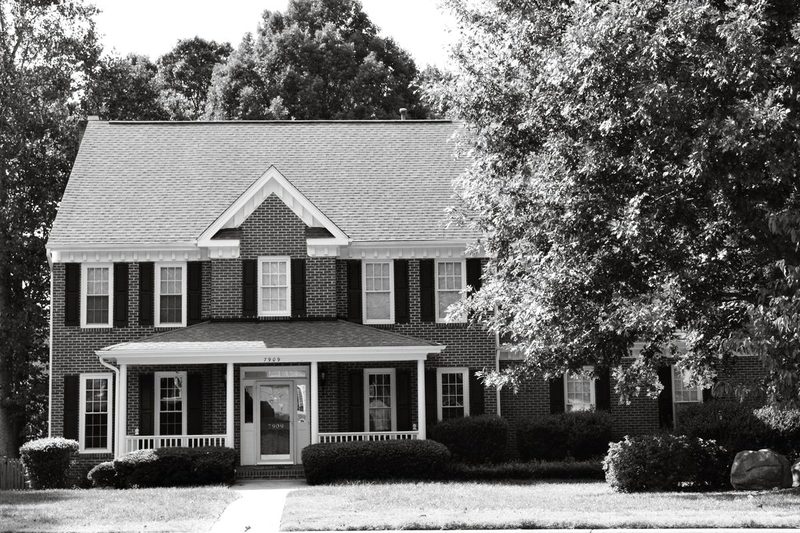
Age is the other problem. A lot of Swindon's bays date from the 1880s to the 1910s, and plenty of interwar porch canopies are 90 years old. Even where the covering has been renewed, the timber frame underneath is often original. At Roof Repairs Swindon we find soft or rotten timber in roughly half the bay roofs we open up, usually along the front edge where water sits longest.
Then there's the way small roofs get repaired. Because they're cheap and easy to reach, they attract quick fixes: a tube of sealant, a strip of flashband, a coat of bitumen paint. Each one buys a year or two. Then it traps water behind it. By the time a roofer is called, it's common to find three or four layers of patching on one bay.
The Warning Signs, Inside and Out
Most bay and porch leaks show up indoors before anyone spots them from the street. Water that gets past the abutment runs down the inside face of the wall and comes out above the window head, so the first sign is often a brown tide mark on the ceiling of the bay itself or flaking paint on the window board. Around 70% of the bay leaks we trace start at the wall junction rather than in the middle of the roof covering.
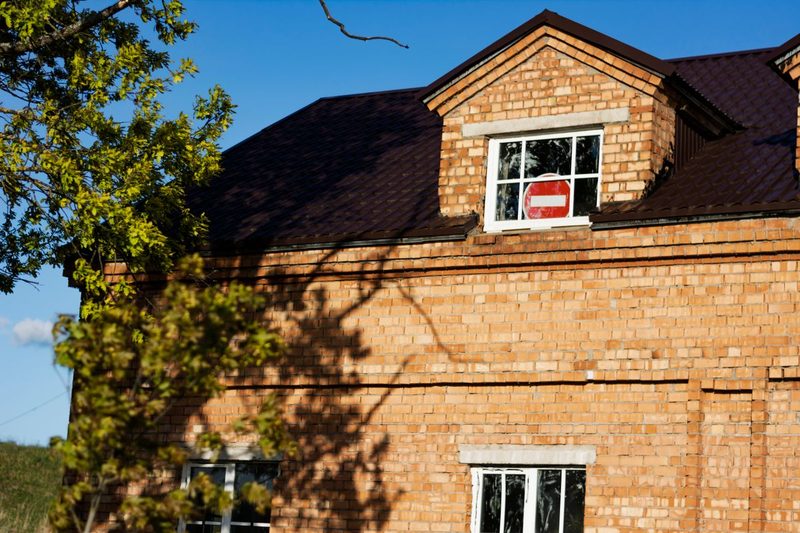
Things to look out for:
- Staining or bubbling plaster in the top corners of the bay, or above the front door inside the porch
- A window board or sash that stays damp after rain, or black mould along the top of the frame
- Sagging in the bay roof or a front fascia that has dropped out of line
- Split or lifted lead, or lead that has been painted silver or black (usually covering an old repair)
- Cracked render, or a gap you can fit a coin into, where the bay roof meets the wall
- Moss and standing water on a felt bay top, or blisters in the felt
- Slipped tiles or a missing ridge piece on a pitched porch canopy
Check from the ground first
You can see most of a ground-floor bay top from an upstairs window. Look for lead that has lifted at the wall, sealant that has pulled away, and any timber you can see along the edge. A phone photo zoomed in from the bedroom window is often enough for a roofer to give you a rough idea of cost before visiting.
Lead-Covered Bays on Victorian and Edwardian Terraces
The classic Swindon terrace bay has a lead roof, sometimes flat with wooden rolls, sometimes a shallow hipped or curved top. Properly laid lead lasts 70-100 years. Plenty of it wasn't properly laid. Lead expands and contracts as it heats and cools, and if a sheet is too big, or nailed down along every edge, it splits along the lines of stress. Lead sheet guidance from the Lead Sheet Training Academy limits the size of each piece for exactly this reason, and lots of older bays were laid in single oversized sheets that are now cracking.
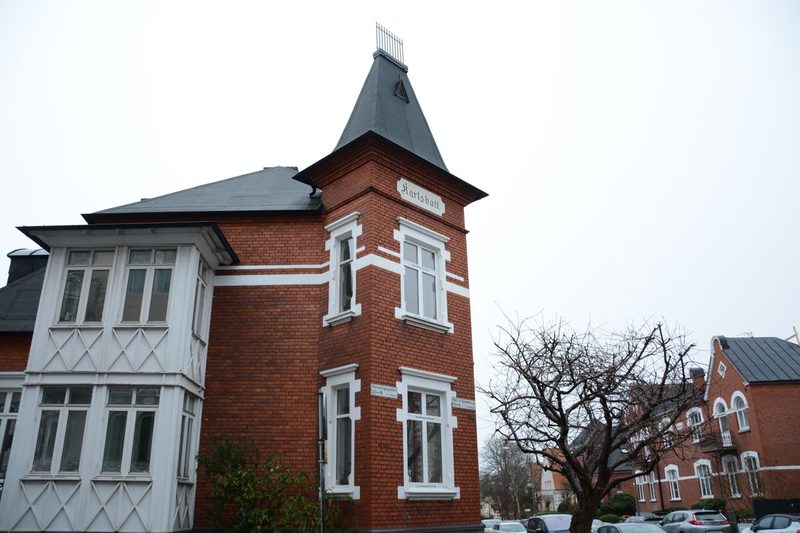
A split in otherwise sound lead can often be lead-welded or patched for £150-£350. If the lead has thinned, is covered in old bitumen, or has several splits, relaying the bay in new Code 5 lead is the long-term fix. On a typical single-storey bay of 2-3 square metres that runs at around £800-£1,500 in 2026, depending on how complicated the shape is.
Is it worth swapping lead for something else?
Some owners replace lead bays with GRP fibreglass, which is cheaper at about £500-£900 for the same bay and doesn't attract thieves. On a plain interwar semi that's a perfectly sensible choice. On a period terrace in or near a conservation area, lead looks right and may be expected, so check before you change it.
Felt and Flat Bay Tops on Interwar Semis
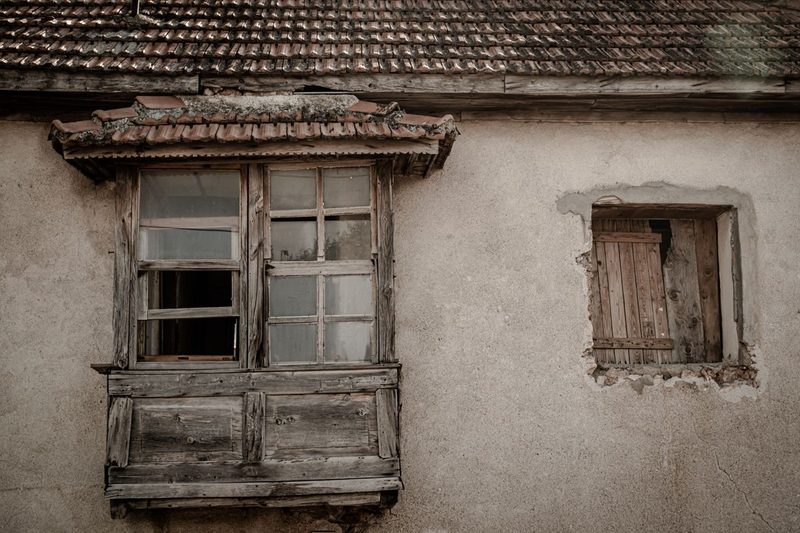
Many of the 1920s and 1930s semis around Swindon have flat bay tops finished in mineral felt, often with a timber or plywood deck underneath. Traditional felt lasts 10-20 years at best, so most of these have been redone several times already. Because the deck is close to flat, water sits on it for days after rain, and on a north-facing bay it can stay damp for most of the winter.
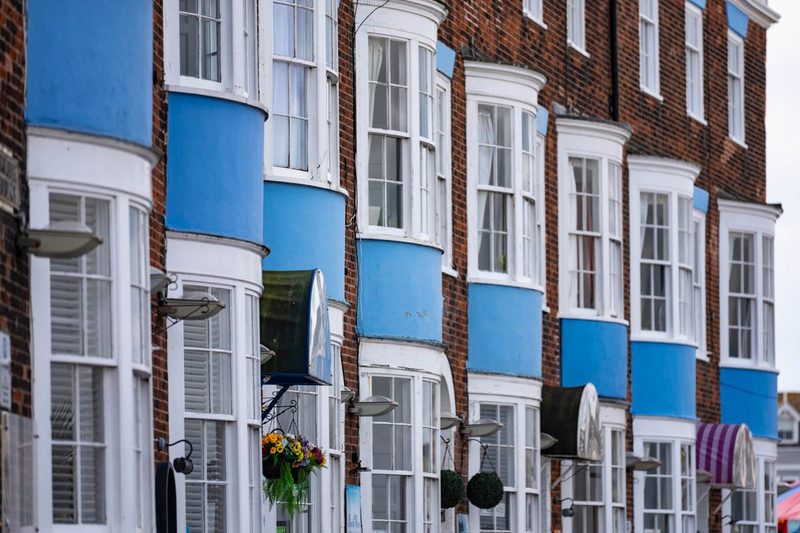
When felt fails, it tends to fail in one of three places: the upstand at the wall, the drip edge at the front, and anywhere the deck has softened underneath. If the deck is sound, a new torch-on felt, EPDM rubber or GRP covering on a small bay costs around £450-£900. If the boards are spongy when you press them, add £150-£350 to replace the deck and the timber fascia. We'd always suggest getting the deck checked, because laying a new covering over rotten boards just moves the failure a few years down the line.
The best upgrade here is to fix a proper fall. A lot of old bay tops are virtually level, and building in even a slight slope with tapered firring strips gets water off the roof in minutes rather than days, for an extra £60-£120 on most jobs.
Tiled Porch Canopies and Small Pitched Roofs
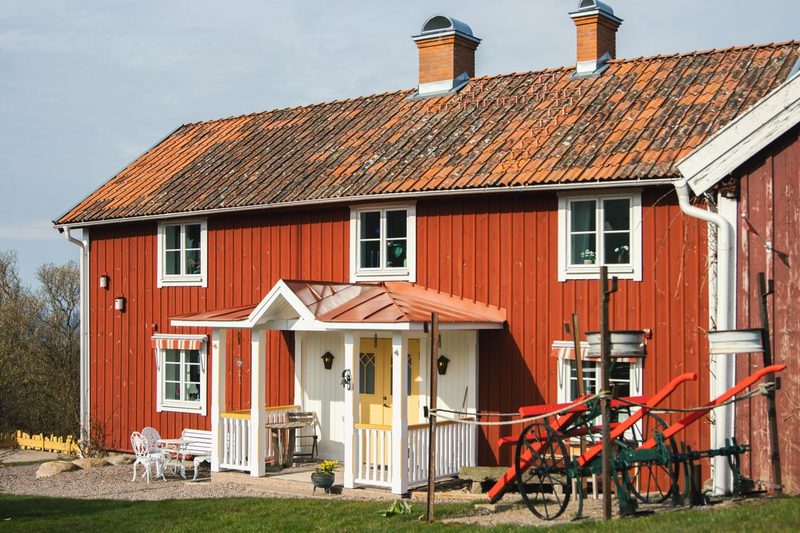
Tiled canopies over front doors, and small lean-to porches with a pitched roof, turn up on everything from Edwardian villas to 1960s estate houses. The tiles themselves rarely cause the leak. It's usually the bit where the canopy meets the house, the bedding mortar on a small ridge, or a rotten bearer holding the whole thing up. Canopies also take more knocks than you'd think: ladders, satellite dish installers and the odd delivery van all leave their mark.
Typical 2026 costs for this kind of work in Swindon:
- Replacing a handful of slipped or cracked tiles: £120-£250
- Rebedding a small ridge or hip: £150-£300
- Stripping and re-tiling a canopy, reusing sound tiles: £600-£1,200
- Replacing rotten bearers, rafters or a fascia board: £250-£600
- A complete new porch roof, timber and tiles: £1,200-£2,500
If you're replacing a porch roof like for like you won't usually need planning permission. Building a new porch or making it bigger is different, and the Planning Portal's guidance on porches explains the size and height limits for permitted development, including the 3 square metre floor area cap.
The Junction With the Wall: Flashing, Render and Rotten Timber
The weak point on almost every bay or porch roof is the joint with the main wall. On a well-built roof, a lead flashing is tucked into a mortar joint in the brickwork and dressed down over the roof covering, so water running down the wall is pushed out onto the roof. On many Swindon houses that flashing is missing, has been replaced with a smear of mortar fillet, or has been chased into render rather than into a proper brick joint.

Render makes it harder. Lots of interwar semis and some older terraces were rendered or pebble-dashed later in life, and the render often runs down over the top of the flashing. When the render cracks, which it will after 20-30 years of frost, water gets behind it and runs straight down past the flashing into the bay. You can have perfect lead on the roof and still get a leak, because the water is coming in a foot higher up. Cutting back the render, fitting a new stepped or cover flashing and making good usually costs £250-£500.
Tracing a leak that won't go away
If you've had the bay roof redone and the stain keeps coming back, the source is often higher up than anyone looked: a cracked window sill above, a blocked gutter overflowing down the wall, or open pointing. We've written about working out where a roof leak is really coming from based on where the water shows up indoors, and the same approach applies to bays.
Do You Need Scaffolding for a Bay or Porch Roof?
Usually not for a single-storey bay or a porch canopy. Most of these roofs sit 2.5-3.5 metres off the ground, and a roofer can work from a ladder or a small mobile tower. The Health and Safety Executive's guidance on working at height allows ladders for short, light jobs but expects a proper platform for anything longer, so a reputable firm will bring a tower for a full relay. Tower hire typically adds £80-£200 to a job.

Two-storey bays are different. On the taller Edwardian houses the bay roof can be 6-7 metres up, and relaying lead or felt at that height needs a scaffold. For a single bay on a terrace, expect £450-£900 for erection, a couple of weeks' hire and dismantling. If the scaffold has to stand on the pavement, Swindon Borough Council will need a licence, which the scaffolding firm normally arranges and adds to the bill.
One tip: if you already have a scaffold up for chimney, gutter or roof work, ask for the bay to be checked at the same time. Once the scaffold is paid for, adding a bay repair is cheap.
Repair or Replace? How to Decide on a Small Roof
The decision comes down to what's underneath. If the timber is sound and the problem is one split, one failed flashing or a few tiles, a repair at £150-£500 is the right call and can easily give you another 10-15 years. If you find soft timber, more than two or three old patches, or a felt covering that's past 15 years old, replacement makes more sense. A full rebuild of a small bay or porch roof rarely costs more than two or three call-out repairs added together.
Swindon has a decent supply of general roofers, but fewer trained leadworkers, and good ones are often booked 3-6 weeks ahead in autumn and winter. If you have a lead bay, ask whoever quotes whether they've done lead training and how they'll size the sheets. Quotes that mention sealant or flashband as the main fix on a lead roof are a warning sign.
Timing matters too. Lead can be laid in most conditions, but torch-on felt and GRP resin need dry days and temperatures above roughly 5°C. Booking a felt or GRP bay for late spring or early autumn avoids weather delays.
Frequently Asked Questions About Bay Window and Porch Roof Repairs in Swindon
How much does a bay window roof repair cost in Swindon?
In 2026, a small patch or reseal on a lead bay costs about £150-£350, and replacing the abutment flashing about £250-£500. A full relay in new lead on a typical single-storey bay costs £800-£1,500, while a new GRP or EPDM covering on a flat bay top is around £450-£900.
Why does my bay window leak only in heavy rain?
Usually because water is running down the wall above and getting in at the junction with the bay roof - through a cracked render, a missing flashing or an old mortar fillet. Light rain doesn't run down the wall far enough to reach it.
Do I need scaffolding to repair a porch roof?
Not usually. Most porch canopies and ground-floor bays can be repaired from a ladder or a mobile tower. Scaffolding is normally only needed for two-storey bays or longer jobs at height, typically costing £450-£900 for a single bay.
Do I need planning permission to replace my porch roof?
Not for a like-for-like replacement. You may need permission if you're enlarging the porch or building a new one beyond permitted development limits, or if your house is listed or in a conservation area.
Ready to work with Roof Repairs Swindon?
Let's connect! We’re here to help.
Send us a message and we’ll be in touch.
Or give us a call today at 01793 939231
Agency Contact Form
More Marketing Tips, Tricks & Tools