Paying for Roof Work in Swindon: Deposits, Staged Payments, Finance and the Red Flags
Most arguments about roof work in Swindon aren't about slates or felt. They're about money: who paid what, and when. A typical reroof on a three-bed semi in Swindon now runs to £7,000-£12,000, and a lot of homeowners hand over a third of that before a single tile comes off. Paying for roof work in Swindon gets a lot less nerve-racking once you know the norms. A deposit of 10-25% is normal, small repairs under about £1,000 are usually paid on completion, and if you put even part of the bill on a credit card, Section 75 of the Consumer Credit Act can make the card company jointly liable for anything between £100 and £30,000. Below is what a fair deposit looks like, how to stage payments on bigger jobs, when finance is worth it, and the requests that should stop you reaching for your banking app. Timing plays a part too, in a town where good roofers book up weeks ahead.
How Much Deposit Is Reasonable When Paying for Roof Work in Swindon
For a repair, the honest answer is often nothing at all. Replacing a dozen slipped tiles, re-bedding a ridge or patching a flat roof is usually a one-day job costing £150-£900, and most established Swindon roofers invoice when it's done. If someone wants half up front for a £300 job, ask why.

Bigger jobs are different. On a full reroof, a new flat roof or a chimney rebuild, the roofer is buying materials and booking scaffold before they start, and asking you to cover some of that is fair. As a rough guide:
- Repairs under £1,000: no deposit, pay on completion
- Jobs of £1,000-£5,000: a deposit of 10-20%, or the cost of special-order materials
- Full reroofs and jobs over £5,000: 20-25% is common, rarely more than a third
- Bespoke items such as reclaimed slate, handmade clay tiles or a made-to-measure roof lantern: the supplier's cost of those items, paid against an order you can see
If you'd like a firm that lays its payment terms out in writing before you commit, Roof Repairs Swindon puts them on every quote, so you know where you stand from day one.
Timing matters too. Swindon gets about 700-750mm of rain a year, well below the UK average of around 1,160mm, so the dry spring and summer window is long and busy. Roofers here are often booked four to eight weeks ahead from April onwards, and some ask for a small booking deposit to hold a slot. That's reasonable at £100-£300. It isn't reasonable at 40% of a job that won't start until the autumn.
Staged Payments on a Swindon Reroof: Tying Money to Progress
On any job lasting more than a few days, the cleanest arrangement is to pay in stages linked to things you can actually see. You should never be more than one stage ahead of the work.
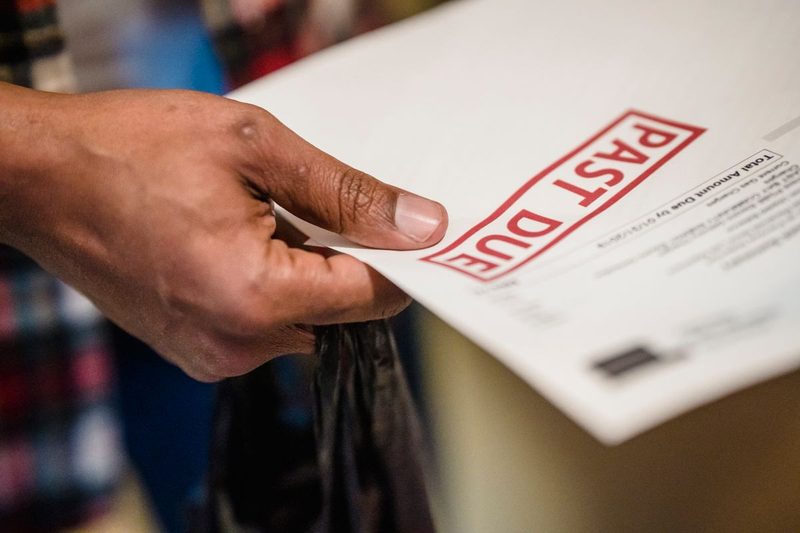
A typical schedule for a £9,000 reroof might look like this:
- 20% (£1,800) when materials are delivered to your drive
- 30% (£2,700) once the old roof is stripped and the new membrane and battens are on
- 40% (£3,600) when the tiles or slates are laid and the ridge and verges are finished
- 10% (£900) after the scaffold comes down and you've checked the gutters, flashings and clean-up
Write the stages into the contract, not just the quote. Each one should describe a visible milestone rather than a date, because a date-based schedule keeps running even if the roofer goes off to another job for a week.
Why milestones beat dates in Swindon's weather
Swindon's wet season, roughly October to March, is a little shorter and lighter than the national picture, but it still brings 11-13 rain days a month in winter. A reroof that should take five days can stretch to ten if the weather turns. With milestone payments, nobody argues about delays: you pay when the work reaches the stage, whenever that is.
Paying on Completion: Snagging, Sign-Off and Holding Some Back
The final payment is your strongest lever, so don't release it the moment the roofer says they're finished. Walk round the house, look at the roof from the street and the garden, and check the loft for daylight or damp patches after the first decent shower.
On jobs over £5,000, it's fair to agree a small retention of around 5%, held back for a set period such as 14 or 28 days, to cover any snagging. Agree this before the job starts. Springing it on the roofer at the end is how disputes begin.
What "complete" should include
Before you pay the last stage, you should have:
- Scaffold removed and the site cleared, including old tiles, nails and felt from gutters and borders
- Your guarantee paperwork, plus any manufacturer warranty registration
- A Building Regulations completion certificate or competent person scheme certificate if more than 25% of the roof was replaced, since that work has to meet current thermal standards
- Photos of the hidden layers, such as membrane, battens and flashings, taken during the job
Card Payments and Section 75 Protection for Roofing Jobs
How you pay matters almost as much as when. Bank transfer is quick, but if the roofer disappears or the work is faulty, getting the money back can be hard.

Paying by credit card gives you a stronger position. Under Section 75 of the Consumer Credit Act, if the item or service costs between £100 and £30,000 and you pay at least part of it on a credit card, the card provider is jointly liable with the trader for breach of contract or misrepresentation. That holds even if you only put the deposit on the card. So a £1,500 deposit on a credit card for an £8,000 reroof can protect the whole £8,000 contract, not just the £1,500. Citizens Advice explains how to get your money back if you paid by card, including the chargeback route for debit cards, which is a voluntary scheme rather than a legal right and has shorter time limits.
Plenty of smaller Swindon roofers don't take cards, and a card fee of 1.5-2.5% is sometimes passed on. If that's the case, paying the deposit by card and the rest by transfer is a sensible middle ground.
Bank transfers and invoice fraud
If you pay by transfer, ring the roofer on a number you already have to confirm bank details before the first payment, and again if an email ever says the details have "changed". Intercepted invoice emails are one of the most common frauds on home improvement jobs. Banks now have to reimburse most authorised push payment scam victims up to £85,000, but the process is stressful and a bank can refuse where it decides you were grossly negligent.
Roofing Finance in Swindon: 0%, Interest-Bearing and Buy Now Pay Later
A new roof is often an unplanned bill. A failed flat roof over a 1970s extension in Toothill or a storm-damaged ridge in Old Town doesn't wait for payday, so finance is worth knowing about.
The main options are:
- Retailer finance arranged through your roofer, which can be 0% over 6-12 months or interest-bearing over 3-10 years, often at 9-15% APR
- A personal loan from your own bank, typically 6-12% APR for £5,000-£15,000 with a good credit score
- A 0% purchase credit card, which also brings Section 75 cover
- Adding to your mortgage, which looks cheap per month but can cost far more over 20 years
Any roofer who offers finance must be authorised by the Financial Conduct Authority or be an appointed representative of a firm that is. You can check either on the FCA's Financial Services Register in about two minutes. If they aren't listed, don't sign.
Compare the total amount repayable, not the monthly figure. On a £10,000 reroof, borrowing over ten years at 12% APR adds roughly £7,000 in interest, while a five-year loan at the same rate adds about £3,300.
Insurance-Backed Guarantees and Deposit Protection
A roofer's own guarantee is only worth something while the business is still trading. Construction has one of the highest insolvency rates of any UK industry, with more than 4,000 firms going under in most recent years, so a ten-year workmanship guarantee from a one-man band carries real risk.

An insurance-backed guarantee fixes that. You pay a one-off premium, usually £50-£250 depending on the job value, and if the firm stops trading during the guarantee period, the insurer pays another contractor to put faulty work right. Deposit protection insurance works the same way at the start of a job: if the firm goes bust after taking your deposit and before finishing, you get the money back.
TrustMark, the government-endorsed scheme for tradespeople, requires its registered businesses to offer deposit protection and to follow a code of practice, and gives you access to dispute resolution if things go wrong. Checking the register takes a minute.
What the guarantee actually covers
Workmanship guarantees, manufacturer warranties and insurance-backed policies each cover different things, and the wording around storm damage and wear catches a lot of people out. We've gone through what roofing warranties and guarantees in Swindon actually cover and what they don't, which is worth reading before you sign.
Red Flags When Paying for Roof Work in Swindon
Most Swindon roofers are honest, but the same tricks turn up after every big storm, when cold-callers work streets in Penhill, Park North and the older terraces around Rodbourne. Be wary of anyone who:

- Asks for more than a third of the price before starting, or the full price up front
- Wants cash only and won't give a written quote, invoice or full business address
- Turns up uninvited saying they've "noticed" loose tiles and can start today if you pay now
- Discovers extra damage halfway through and needs money immediately to continue
- Asks you to transfer money to a personal account in a different name from the business
- Pushes you to waive your cancellation period without explaining it
On that last point, if you agree a contract in your own home, you normally have 14 days to cancel under the Consumer Contracts Regulations. The trader has to tell you this in writing. If you want work to start inside those 14 days, you have to ask for it, and you may have to pay for work already done if you then cancel. A trader who skips this paperwork can be committing a criminal offence. If something feels off, wait a day and get a second quote. A genuine roofer won't mind.
Common Questions About Paying for Roof Work in Swindon
How much deposit should a roofer in Swindon ask for? For repairs under about £1,000, usually none. For larger jobs, 10-25% is normal, and it should rarely be more than a third of the total price.

Does Section 75 cover me if I only pay the roofing deposit by credit card? Yes. If the total contract is between £100 and £30,000 and you pay any part of it on a credit card, the card provider is jointly liable for the whole contract value.
Should I ever pay a roofer the full amount up front? No. Pay in stages linked to visible progress, and hold the final payment until you've checked the finished work and received your guarantee paperwork.
Can I cancel roof work I agreed to at home? Usually yes. Contracts agreed in your home normally come with a 14-day cancellation period, and the roofer must give you the cancellation details in writing.
Ready to work with Roof Repairs Swindon?
Let's connect! We’re here to help.
Send us a message and we’ll be in touch.
Or give us a call today at 01793 939231
Agency Contact Form
More Marketing Tips, Tricks & Tools