Roof Felt Replacement in Swindon: Failing Underlay on 1960s-80s Estate Roofs and 2026 Costs
Swindon grew faster after the war than almost any town in the south of England. Its population more than doubled between 1951 and 1991, and tens of thousands of homes went up on new estates in that time, nearly all of them roofed the same way: trussed rafters, concrete interlocking tiles and black bitumen felt underneath. That felt was expected to last 20-40 years. Most of it is now 35-60 years old. Roof felt replacement in Swindon has gone from an occasional job to one of the most common things we're asked to quote for, usually after a damp patch appears on a bedroom ceiling near the outside wall. Swindon's weather plays a part. The town gets around 730mm of rain a year, less than the UK average, but it sees roughly 40-50 nights of air frost, nearly double the south coast, and every freeze-thaw cycle makes brittle old felt crack a little more.
Why Roof Felt Is Failing Across Swindon's Estates
Roof felt is the underlay that sits between the rafters and the tile battens. Tiles shed most of the rain, but wind blows water up under the laps and fine snow gets through the gaps. The felt catches it and carries it down into the gutter. When the felt fails, that water goes into your loft instead.
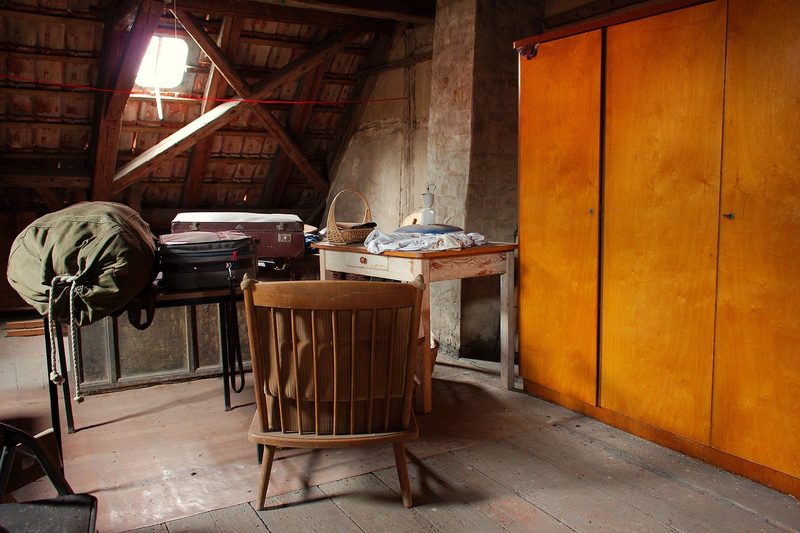
Bitumen felt is made from an oil-based product, and as it ages it dries out, shrinks and goes brittle. The first part to go is almost always the eaves, the strip that drapes over the fascia into the gutter, because it takes the most sun and the most water. On Swindon's estates there's a second problem. A lot of 1970s and 80s roofs were built with the felt pulled tight between trusses, and when it shrinks it tears away from the battens. On older roofs the opposite happened: felt laid with too much sag, which now holds puddles that rot the battens above.
If you're not sure what state yours is in, Roof Repairs Swindon can check the underlay from the loft and the eaves and tell you whether it's a repair or a re-felt.
Roof Felt Replacement in Swindon by House Age
The age of your house tells you more about your felt than almost anything else. Here's what we tend to find.
Pre-1919 terraces
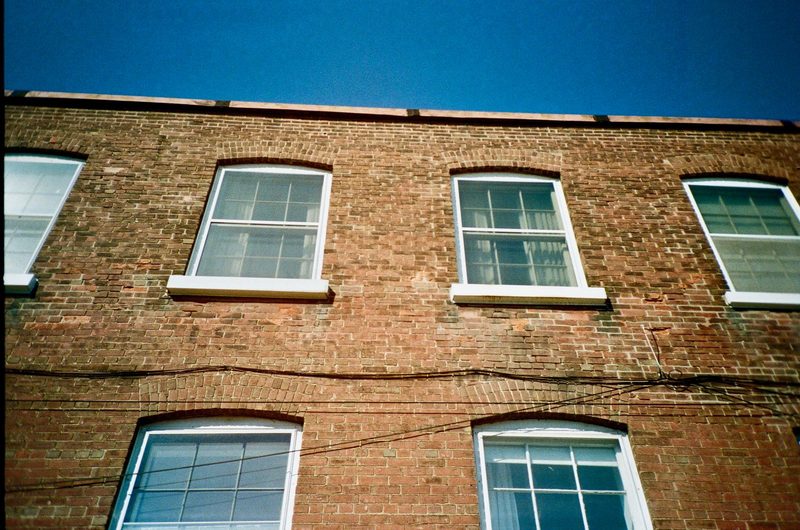
Swindon's older terraced streets, many built for railway workers, were roofed in Welsh slate with no felt at all. Some have since been re-roofed and felted. If yours hasn't, the slates are doing all the work. That can be fine for decades, but any slipped slate means a leak straight into the loft. Adding a breathable membrane during a re-slate is the usual fix.
1950s and 1960s homes
These generally have heavy bitumen felt over traditional cut timber roofs. A lot of it is now 60-70 years old and has gone completely. You'll often see daylight through it from the loft, and it crumbles when touched.
1970s and 1980s estates
This is the bulk of what we deal with. The western expansion of the town, along with large parts of the north and east, was built in this period. Felt here is typically 40-55 years old, with eaves rot almost guaranteed and tearing around the trusses common. The tiles above are often still sound, which makes a re-felt good value.
1990s and 2000s homes
Northern Swindon's later estates mostly used a newer felt or early breathable membranes. They're generally fine for now, though we do see eaves problems where the felt was cut short and doesn't reach the gutter.
The Five-Minute Loft Check
Take a torch into the loft on a dry day after rain and look for:
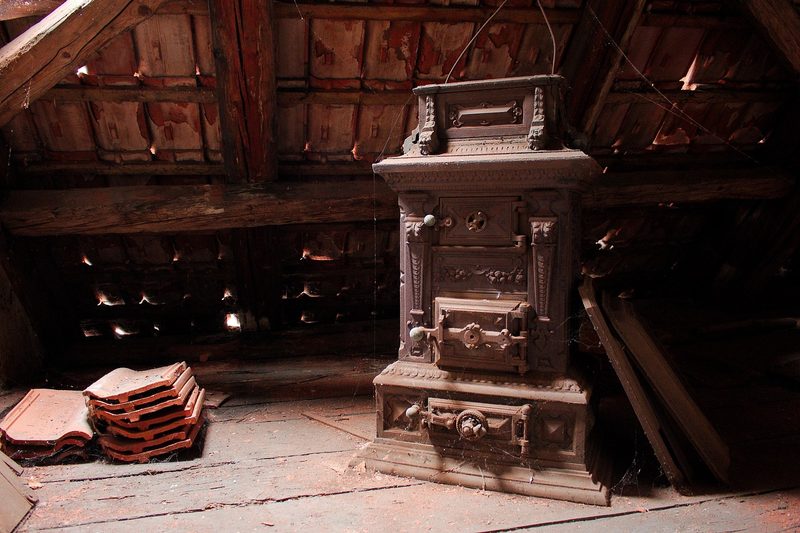
- Pinpricks of daylight through the felt
- Felt that cracks or flakes when you press it lightly
- Torn felt hanging loose between trusses, or sagging pockets holding debris
- Tide marks on the trusses or battens, especially low down near the eaves
- Damp or compressed insulation along the edges of the loft
Outside, look up at the eaves. Felt in tatters over the fascia, or a gap where you can see bare battens above the gutter, means the eaves strip has failed. Black streaks down the fascia or wall below a clear gutter point the same way.
Eaves Repair, Partial Re-Felt or Full Re-Felt?
There are three levels of fix, and the right one depends on how far the damage goes up the roof.
Eaves repair
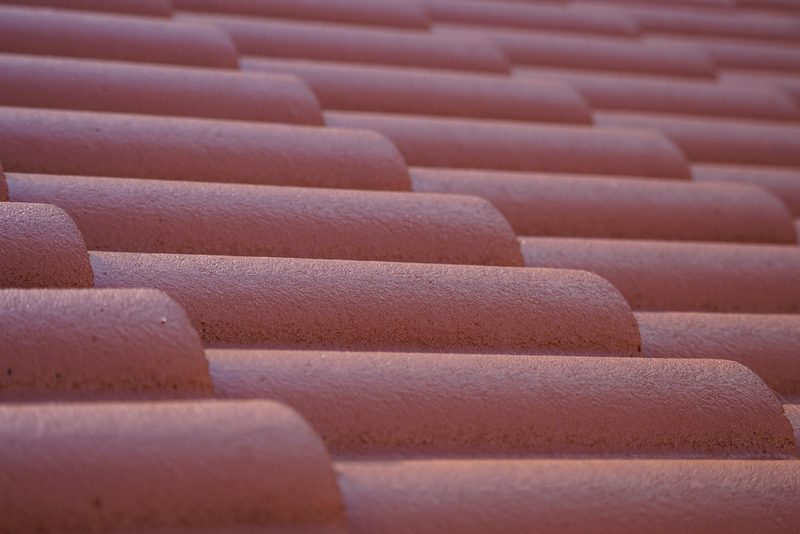
If only the bottom 300-500mm has rotted, the roofer lifts the bottom few courses of tiles, cuts out the old felt, fits a rigid eaves tray over the fascia and laps a new strip of membrane under the existing felt. It's usually a one or two-day job and needs only a scaffold tower or a short run of scaffold.
Partial re-felt
Sometimes one slope is fine and the other isn't. South and west-facing slopes in Swindon take more sun and more weather, so they age faster. Stripping and re-felting just one elevation can save 40-50% compared with doing the whole roof.
Full re-felt
When the felt is brittle all the way up, every tile comes off, the old felt and battens go in the skip, and a new membrane, new treated battens and the original tiles go back on. Most concrete interlocking tiles from the 1970s and 80s can be reused, with a few broken ones replaced. If you're struggling to find matches for older profiles, that's a common Swindon headache we've covered separately.
One thing to check before any re-felt: whether your loft has been sprayed. Spray foam on the underside of the felt or tiles changes the job completely, and it's become a big issue for Swindon sellers. Our guide to spray foam removal in Swindon and why lenders refuse it explains what's involved.
What Goes Back On: Membranes, Battens and Ventilation
Almost every re-felt now uses a breathable membrane rather than bitumen felt. It keeps liquid water out but lets water vapour escape, so the loft can dry out. That matters in Swindon, where cold, still winter nights inland make condensation in lofts a regular problem. Good membranes are rated for 50 years or more and cost only £3-£6 per square metre more than bitumen felt.
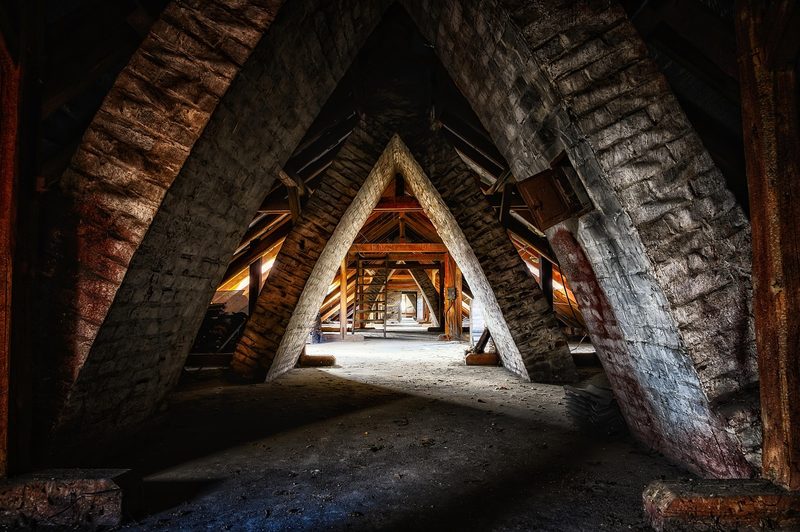
New battens should be treated softwood, usually 25x38mm for trussed roofs at standard spacing or 25x50mm where the span between trusses is wider. Ask your roofer which size they're using. It's a quick way to tell who's thought about it.
Even with a breathable membrane, most manufacturers want some ventilation at the eaves or ridge, so expect eave vents or a vented dry ridge to be part of the quote. Re-felting more than half the roof usually counts as renovation under Approved Document L of the Building Regulations, which can mean topping up loft insulation to current standards at the same time. A roofer registered with a competent person scheme can certify the work without a separate building control application to Swindon Borough Council.
Roof Felt Replacement Costs in Swindon (2026)
Typical prices including VAT:

- Patch repair to torn felt from inside the loft: £150-£300
- Eaves felt and eaves tray, one elevation of a semi: £450-£900
- Eaves felt and eaves tray, front and back: £850-£1,700
- Re-felt one elevation, reusing tiles: £2,500-£4,500
- Full re-felt, two or three-bed semi, reusing tiles: £5,500-£9,000
- Full re-felt, four-bed detached: £8,000-£12,500
- Replacement concrete tiles: £2-£6 each, more for discontinued profiles
- Scaffold for a semi, front and back: £800-£1,500
Swindon prices sit close to the national average and a little below Oxford and Bath. Most estate homes have off-road parking and decent access, so scaffold is straightforward. Demand is the bigger factor. Plenty of roofers work the M4 corridor, but the experienced ones fill up from October onwards, and lead times of 3-5 weeks are normal in winter.
Timing the Work Around Swindon's Weather
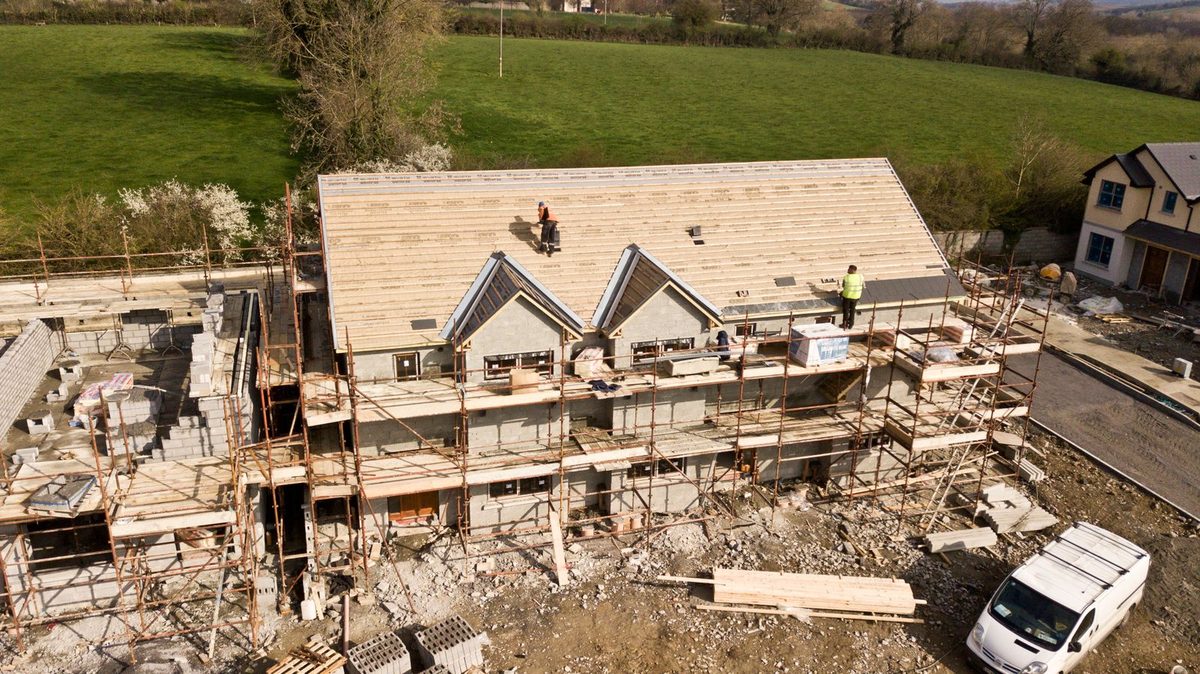
A re-felt means your roof is open, so timing matters. The roofer strips and re-covers one section at a time and sheets up anything left open at the end of the day, so it can be done in winter. But days are short and frost slows the work down, and a three-day job in June can easily take five in January.
If your felt is failing but the loft is still dry, booking for spring is sensible. If water is already coming through, don't wait. An eaves repair now stops the rot reaching your fascias and wall plate, and that's the damage that turns a £900 job into a £4,000 one. For peace of mind, check that whoever you use is on TrustMark or is a member of the National Federation of Roofing Contractors, and get the membrane brand and batten size in writing.
Frequently Asked Questions About Roof Felt Replacement in Swindon
How much does roof felt replacement cost in Swindon?
In 2026, an eaves felt repair costs around £450-£1,700 depending on how many elevations need doing. A full re-felt on a two or three-bed semi, reusing the existing tiles, typically costs £5,500-£9,000 plus scaffold.
How long does roof felt last on a Swindon home?
Bitumen felt usually lasts 20-40 years. Most homes on Swindon's 1960s-80s estates still have their original felt, which is now well past that, so eaves failure is very common. Modern breathable membranes are rated for 50 years or more.
Can my existing tiles be reused when the felt is replaced?
Usually. Concrete interlocking tiles from the 1970s and 80s are tough and most can go back on. Expect 5-10% to need replacing where they crack during stripping or are already damaged.
Do I need building regulations approval to re-felt my roof?
Re-felting more than half the roof normally counts as renovation, so it needs to meet Building Regulations, including insulation standards. A roofer registered with a competent person scheme can self-certify this and give you a certificate.
Ready to work with Roof Repairs Swindon?
Let's connect! We’re here to help.
Send us a message and we’ll be in touch.
Or give us a call today at 01793 939231
Agency Contact Form
More Marketing Tips, Tricks & Tools