Chimney Cowls in Swindon: Rain Caps, Birdguards, Capping Unused Flues and 2026 Fitting Costs
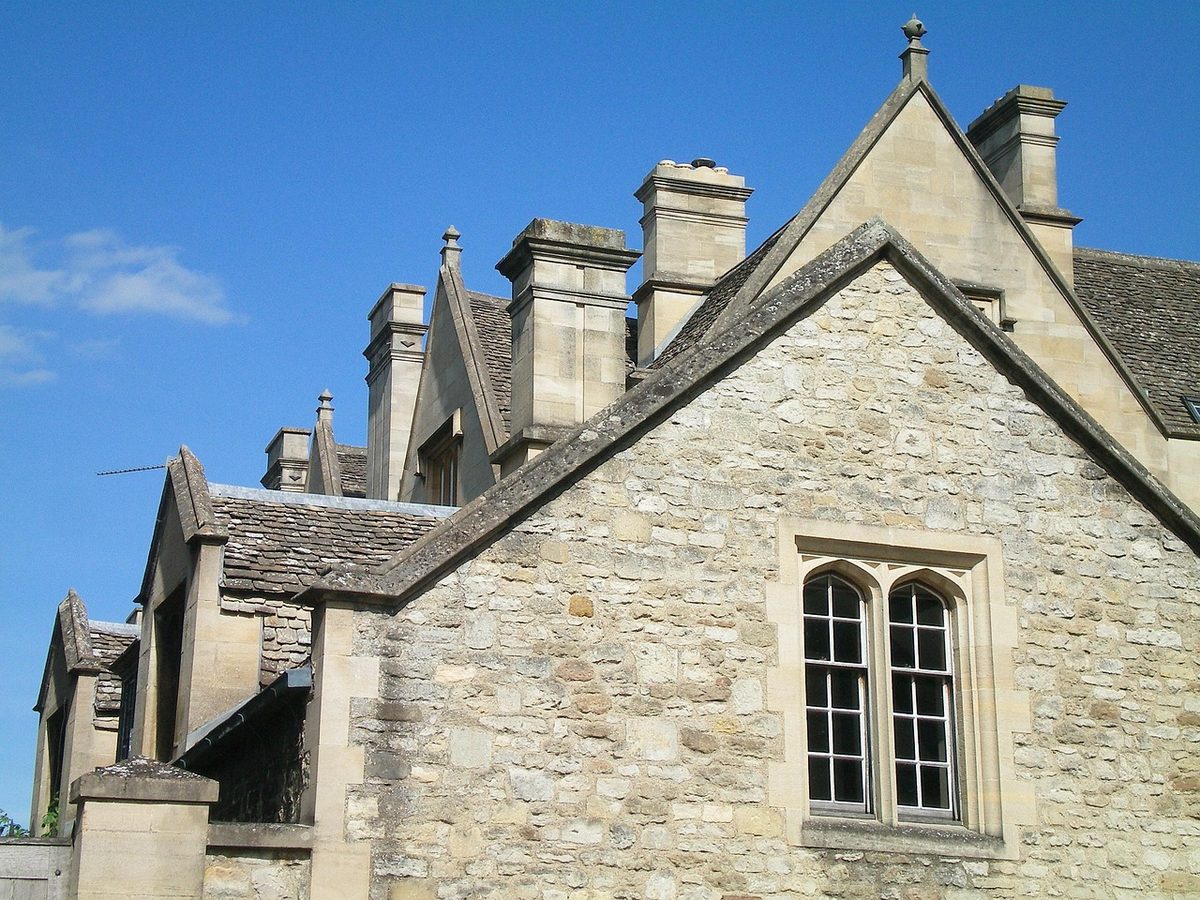
A chimney cowl costs less than a takeaway for the family, yet the lack of one causes some of the most expensive damp we see in Swindon homes. An open chimney pot lets in a surprising amount of rain. Swindon averages around 730mm a year, and an uncapped 200mm flue can catch 20 litres or more of it annually, all of which ends up soaking into the chimney breast. Then there are the birds. Jackdaws nest in Swindon chimneys every spring, and a single nest can fill a flue with a metre of sticks. With thousands of Victorian and Edwardian terraces in the old town and around the railway village, most still with two or more pots per house and many of those flues no longer used, there are a lot of open chimneys out there. Here's which chimney cowl does which job, how to cap a disused flue properly, and what fitting costs in Swindon in 2026.
What a Chimney Cowl Actually Does
A cowl is any fitting that sits on top of a chimney pot. Some keep rain out. Some keep birds out. Some help a stove or fire draw properly by stopping wind blowing smoke back down. The right one depends on whether the flue is in use, what's burning at the bottom of it, and what problem you're trying to fix.
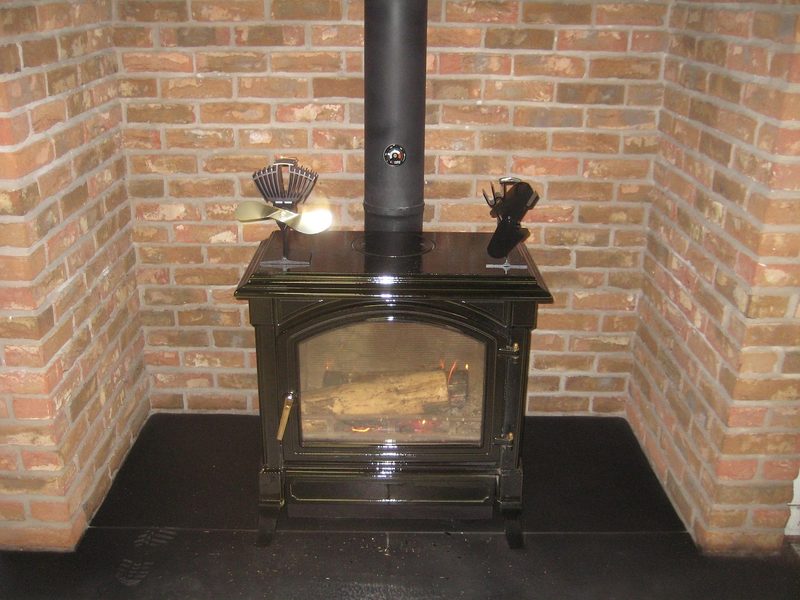
That last point matters more than people expect. A cowl designed for a disused flue can be dangerous on a working stove, because it may restrict the flow of fumes. And a basic birdguard won't stop the downdraught that's filling your living room with smoke. So it's worth working out the problem first, then picking the cowl.
If you'd rather someone else did that bit, Roof Repairs Swindon can inspect the stack, check every pot and tell you which flues need what, usually in the same visit as fitting them.
The Main Types of Chimney Cowl
Rain caps
A rain cap is a hood on legs that keeps rain out while letting the flue breathe. On a working open fire or stove, it stops the flue liner and the brickwork inside getting soaked, which cuts down on tar staining and damp patches on the breast. Expect to pay £40-£90 for the cowl itself.
Birdguards
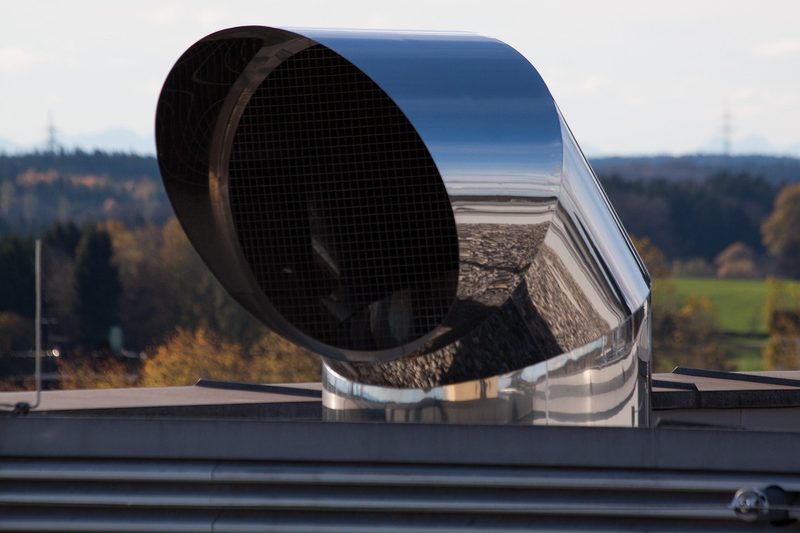
A birdguard is a mesh cage over the pot. Jackdaws, starlings and pigeons can't get in, and the flue still works normally. Most rain caps can be bought with a mesh guard built in, which is what we fit on most working chimneys in Swindon. Combined rain cap and birdguard cowls cost around £50-£110.
Anti-downdraught cowls
If smoke puffs back into the room when the wind blows, an anti-downdraught cowl can help. They use shaped baffles or a spinning head to stop wind blowing straight down the flue. Static versions cost £70-£150, and rotating ones £120-£250. They work best on chimneys that sit lower than a neighbouring roof or tree, which is common where newer houses have gone up beside older terraces.
Capping cowls for disused flues
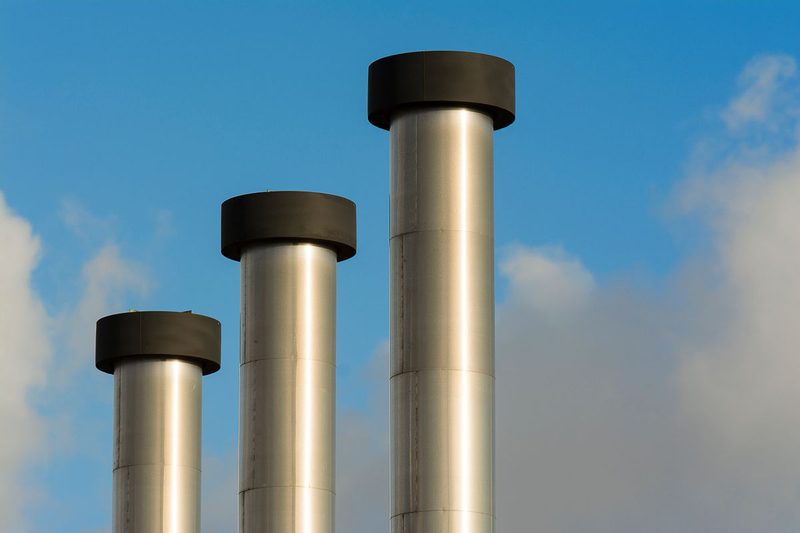
A disused flue needs a cap that keeps rain out but still lets air move, typically a ventilated "hood" or a pot with a vented clay cap. Never seal a disused chimney completely at the top. Without some airflow, moisture trapped in the flue condenses and comes through the chimney breast as damp, often within a couple of winters. Vented capping cowls cost £30-£70.
Capping an Unused Chimney Properly
A large share of Swindon chimney work is capping flues that haven't been used in decades. Most terraces built before 1920 had a fireplace in nearly every room, and those fireplaces were boarded up when central heating came in. The pots were left open.
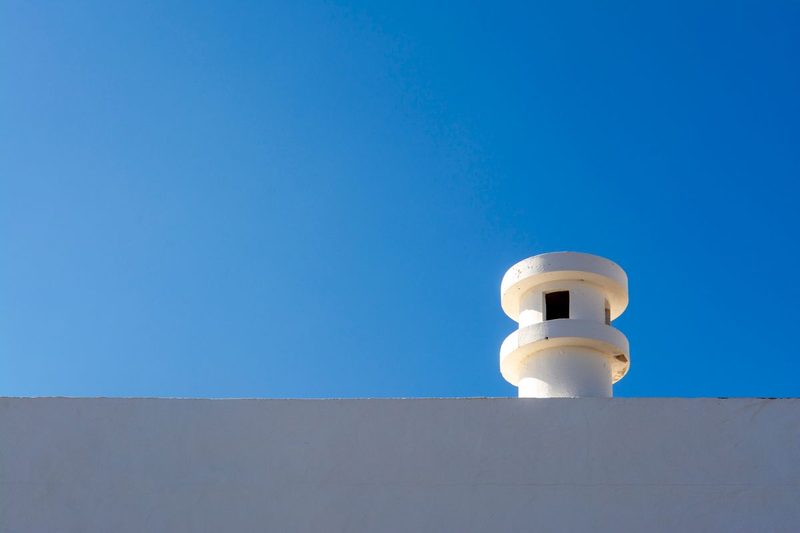
Done properly, capping is two jobs. The top gets a vented cap so rain stays out. The bottom, where the old fireplace was, gets a small air vent, usually an 80-100mm grille in the board or brickwork. That gives a gentle flow of air up the flue so it stays dry. Skip the bottom vent and the cap on its own won't stop damp.
If you've got a chimney breast with damp patches on an upstairs bedroom wall and no vent at the bottom, this is the first thing to check. It's a £100-£200 fix that often clears up damp a homeowner has been told needs £2,000 of re-plastering.
Thinking of using the fireplace again?
Then don't cap it with a disused-flue cowl. Get the flue swept and checked first. We've written a separate guide to fitting a wood burner in a Swindon home, including chimney condition, flue liners and pots, which covers what the stack needs before a stove goes in. For a stove, the cowl has to suit the appliance and liner, and a HETAS-registered installer should confirm it's suitable.
Birds in Chimneys: What the Law Says
Jackdaws are the main culprits in Swindon. They pick chimneys because they're sheltered and high up, and they'll come back to the same pot every year. A nest blocks the flue completely, which is a carbon monoxide risk on any working appliance, and the sticks are a fire risk too.
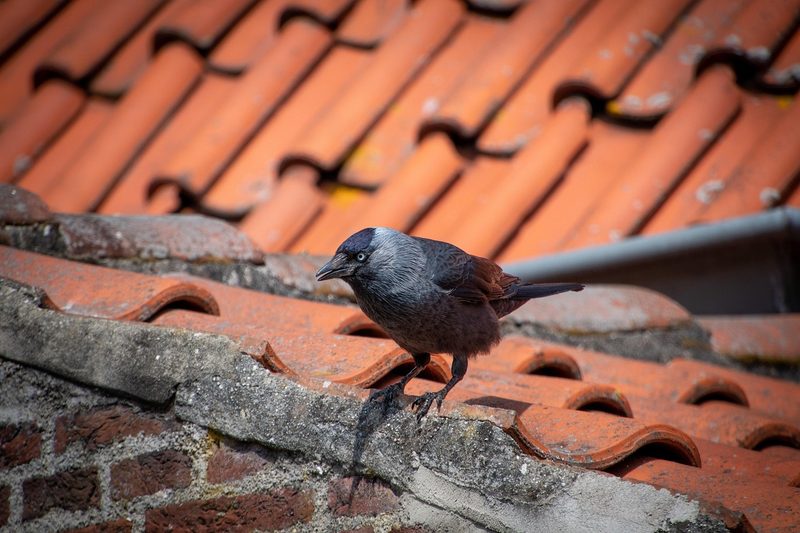
The catch is that all wild birds, their nests and eggs are protected while the nest is in use. You can't remove an active nest or block birds into a chimney during nesting season, which runs roughly from March to August. The government guidance on wild birds, protection and licences sets out the rules, and the fines are unlimited.
So the timing matters. The best months to fit birdguards in Swindon are September to February, after any nest has been abandoned and before birds start prospecting again. If a nest is already in, a roofer or sweep can clear it once it's empty and fit a guard on the same day.
Chimney Cowl Fitting Costs in Swindon (2026)
Fitting is mainly about access. The cowl is the cheap part. Typical prices in Swindon for 2026:
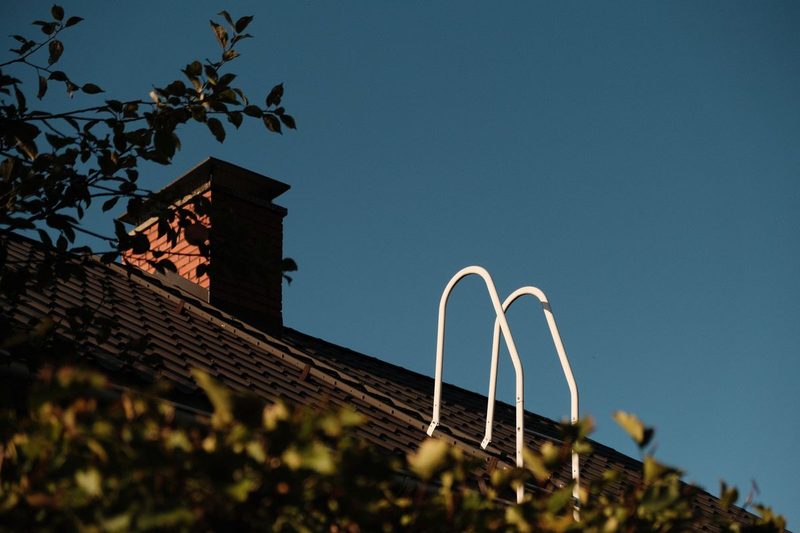
- Fit one cowl or birdguard from a roof ladder: £120-£220 including the cowl
- Each additional pot on the same stack: £40-£80
- Cap all pots on a typical four-pot terrace stack: £220-£400
- Clear an old nest and fit a guard: £180-£320
- Bottom vent fitted at the old fireplace: £60-£120
- Anti-downdraught cowl supplied and fitted: £200-£380
- Scaffold or tower access where a ladder isn't safe: add £250-£600
Most two-storey Swindon terraces can be done from a roof ladder. Three-storey villas in the old town, or stacks on the party wall between two houses, sometimes need a tower or scaffold, which is the biggest variable on price.
It's also worth having the stack looked at while someone is up there. If the flaunching around the pots is cracked or a pot is loose, it makes sense to sort it at the same time rather than paying for access twice. Re-flaunching usually adds £150-£300.
Will a Cowl Make My Chimney Work Better?
Sometimes. An anti-downdraught cowl fixes downdraught caused by wind, and that's a lot of cases. But if the real problem is a flue that's too short, a blocked or damaged liner, or a room without enough air supply for the fire, no cowl will fix it on its own.
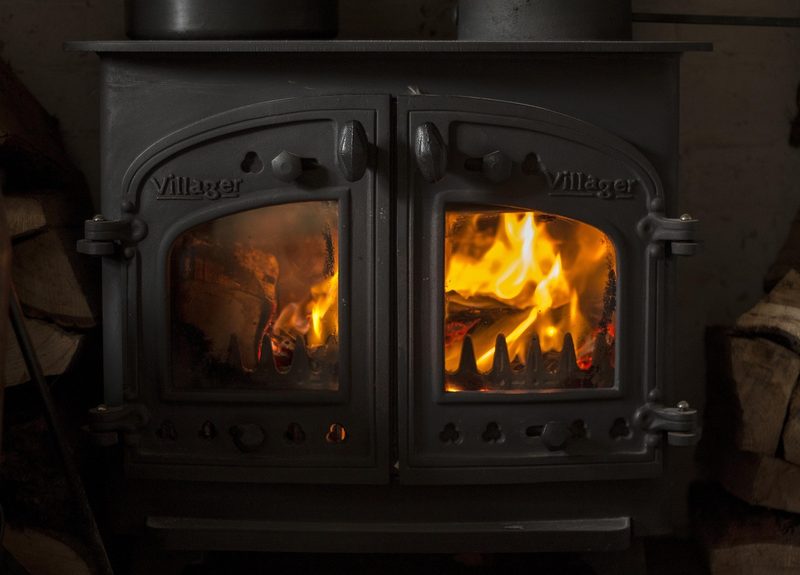
A sensible order is: sweep, smoke test, then cowl. A sweep and smoke test costs around £70-£120 in Swindon and tells you whether the flue is sound. If it passes and smoke still comes back, a cowl is the next step.
Getting Cowls Fitted Before Winter
Swindon sits fairly exposed on the edge of the Marlborough Downs, and the prevailing south-westerlies give chimneys a battering from October to March. Local roofers and sweeps are reasonably plentiful, but autumn is their busy season, with lead times of 2-3 weeks common from October as everyone lights their fires.
If you know you've got open pots, a nest from last spring or a damp chimney breast, get it booked in early autumn. A cowl fitted in September keeps out a whole winter of rain. One fitted in February has already let most of it in.
Frequently Asked Questions About Chimney Cowls in Swindon
How much does it cost to fit a chimney cowl in Swindon?
Fitting a single cowl or birdguard from a roof ladder typically costs £120-£220 in 2026, including the cowl. Capping all four pots on a terrace stack costs around £220-£400. Scaffolding, if needed, adds £250-£600.
Should I cap an unused chimney?
Yes, but with a vented cap rather than a solid one, and with a small air vent at the bottom where the old fireplace was. Sealing a chimney completely traps moisture, which causes damp on the chimney breast.
When can I remove a bird's nest from my chimney?
Only when it's no longer in use. Active nests are protected by law, so most chimney nests in Swindon can only be cleared from about September to February. That's also the best time to fit a birdguard.
Can a cowl stop smoke blowing back into my room?
An anti-downdraught cowl can stop downdraught caused by wind. If the flue is blocked, too short or the room lacks air supply, a cowl alone won't solve it, so get the chimney swept and smoke tested first.
Ready to work with Roof Repairs Swindon?
Let's connect! We’re here to help.
Send us a message and we’ll be in touch.
Or give us a call today at 01793 939231
Agency Contact Form
More Marketing Tips, Tricks & Tools