Does Home Insurance Cover Roof Repairs in Swindon? Storms, Fallen Trees, Leaks, Lead Theft and How to Claim
"Will my insurance pay for this?" is one of the first things people ask us when they ring about a roof. The honest answer is sometimes. Home insurance covers roof repairs in Swindon when something sudden happens, like a storm, a falling tree or a break-in. It doesn't cover a roof that has simply worn out, and that's where most claims come unstuck. UK insurers paid out more than £500 million for weather damage to homes and businesses in 2023 alone, according to the Association of British Insurers, and roofs make up a large share of those claims. Plenty still get turned down, mostly for wear and tear. Swindon makes this trickier than you might expect. It sits inland, so it rarely sees the 70mph gusts the coast gets, and thousands of the town's homes were built in the 1960s-80s expansion with concrete tiles and mortar ridges that are now 40-60 years old. Old roof plus moderate storm is exactly the situation insurers like to argue about.
Does Home Insurance Cover Roof Repairs in Swindon? The Short Version
Your roof is covered by the buildings part of your home insurance, not contents. If you own the house outright or have a mortgage, you'll almost certainly have buildings cover, as lenders insist on it. If you're in a flat, the freeholder or management company usually holds the buildings policy, and repairs go through them.

Most buildings policies pay out for roof damage caused by a specific event: storm, flood, a fallen tree or aerial, fire, lightning, theft, vandalism and, if you've paid for it, accidental damage. They don't pay for gradual deterioration, poor workmanship, or damage that happened because a problem was left too long. The question an insurer always asks is "what caused this, and when?" If you can answer that clearly, you're halfway there.
If you're not sure what's happened to your roof, Roof Repairs Swindon can inspect it and write up the cause in plain terms, which is the single most useful document you can hand your insurer.
Storm Damage: The Wind Speed Question
Storm damage is the most common roof claim, and the most commonly disputed one. Policies rarely define a storm, but most insurers look for gusts of around 55mph or more, often with heavy rain, hail or snow. The Financial Ombudsman's approach to storm damage complaints uses the same three questions every time: were there storm conditions on or around the date, is the damage consistent with a storm, and were those conditions the main cause?
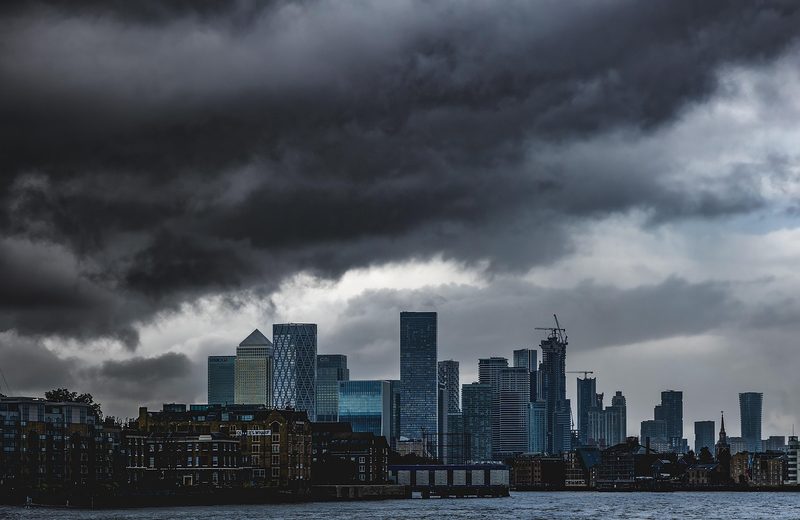
In Swindon, the first question can be the sticking point. Gusts of 55mph happen here a handful of times in a typical winter rather than every few weeks, so an insurer will check the weather records for your date. You can do the same through the Met Office's historic weather station data, which gives you something to point to if the insurer says there wasn't a storm.
What usually gets paid
- Ridge tiles blown off in a named storm
- Tiles stripped from one slope in a single night
- Flashing torn away from a chimney or party wall
- A flat roof membrane peeled back at the edges
What usually gets refused
- A ridge that's been loose for years and finally dropped on a windy day
- One or two slipped tiles where the nails have rusted through
- Damp that's been building up in the loft for months
The difference often comes down to whether the mortar or fixings had already failed before the wind arrived. Insurers will look at that closely, so don't throw away broken tiles or mortar until they've seen them or you've photographed them.
Fallen Trees, Aerials and Other Impact Damage
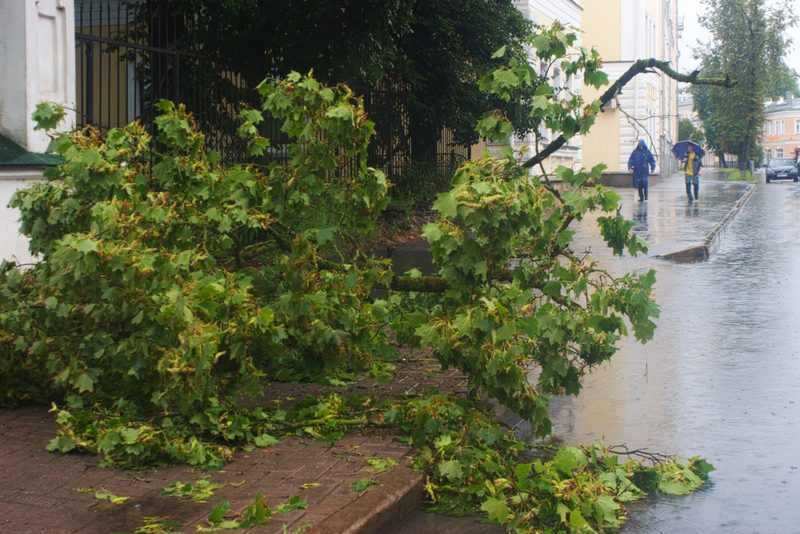
A tree or large branch coming down on your roof is usually a straightforward claim, as long as it fell in a storm or without warning. Whose tree it was doesn't matter much at first. Your own buildings insurer pays for your roof, then may try to recover the money from your neighbour's insurer if the tree was obviously dead or dangerous and they'd been warned.
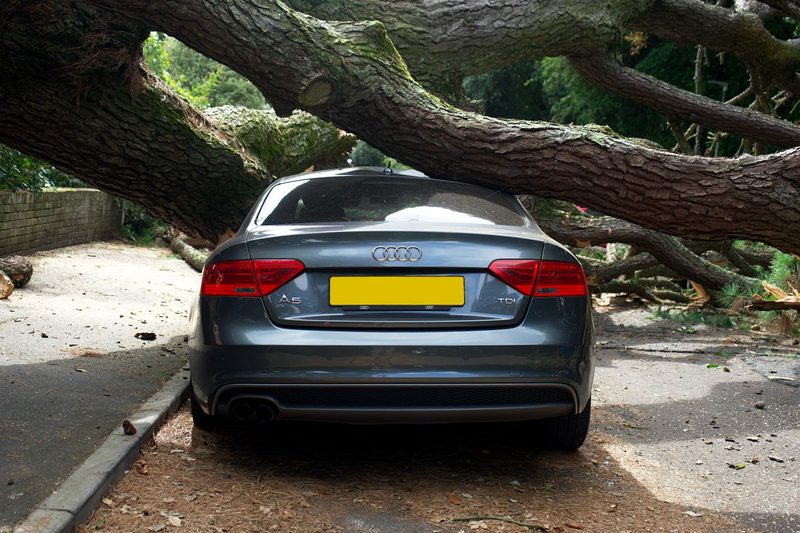
Satellite dishes and TV aerials that come down in high winds are generally covered under storm damage too, though the dish or aerial itself might not be. Snow is worth a mention here. Heavy snow sitting on a roof can crack tiles or overload a flat roof or carport, and most policies cover it under "storm" or "weight of snow". Swindon only averages a few days of lying snow a year, but when the town does get a proper fall, we see a run of these claims afterwards.
Damage caused by a tradesperson is a different matter. If a solar installer, satellite fitter or builder cracks your tiles, the claim should go against their public liability insurance, not your home policy. Get the damage in writing and ask them for their insurer's details.
Roof Leaks, Trace and Access, and Why Rain Isn't Escape of Water
This one catches a lot of people out. "Escape of water" in your policy means water escaping from pipes, tanks, radiators and appliances. Rain coming through your roof isn't escape of water. It's either storm damage, if a storm caused the opening, or wear and tear, if it didn't.
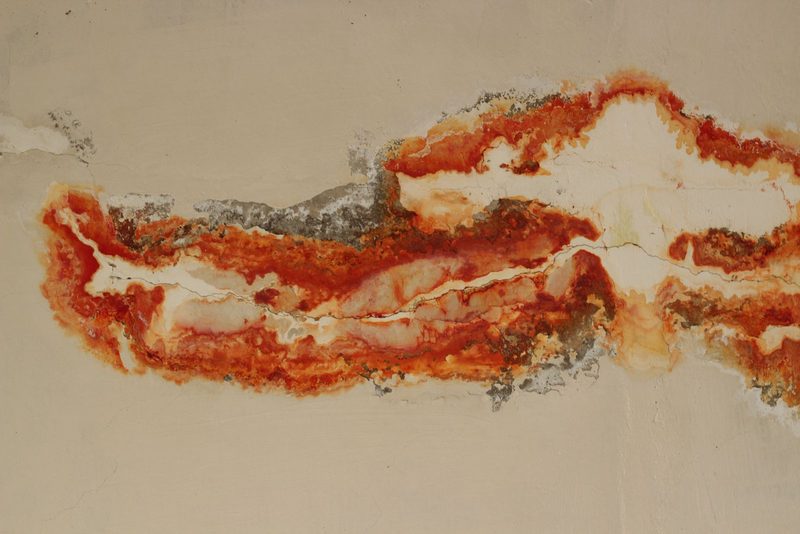
So a leaking roof on its own, without a storm or impact behind it, is normally not covered. What sometimes is covered is the damage it causes inside, if your policy includes accidental damage. Read the wording, as it varies a lot between insurers.
Trace and access cover
Many buildings policies include "trace and access" cover, which pays to find the source of a leak, usually up to a limit of £2,500-£10,000. It almost always applies to escape of water only, so a dripping pipe in the loft is covered but a leak through the roof covering often isn't. Some policies are broader, so check before you assume either way. We've written about how Swindon roofers find a leak by where the water shows up, which is worth reading if you're not sure whether you're dealing with a roof leak or a plumbing one.
Lead Theft, Vandalism and Empty Houses
Lead theft from roofs comes in waves, usually when scrap metal prices go up. Thieves go for bay window roofs, flat roof edges, valleys and chimney flashings, often on houses that look empty. Theft and vandalism are normally covered under buildings insurance, and the claim will include the cost of putting the lead back and repairing any water damage that follows.
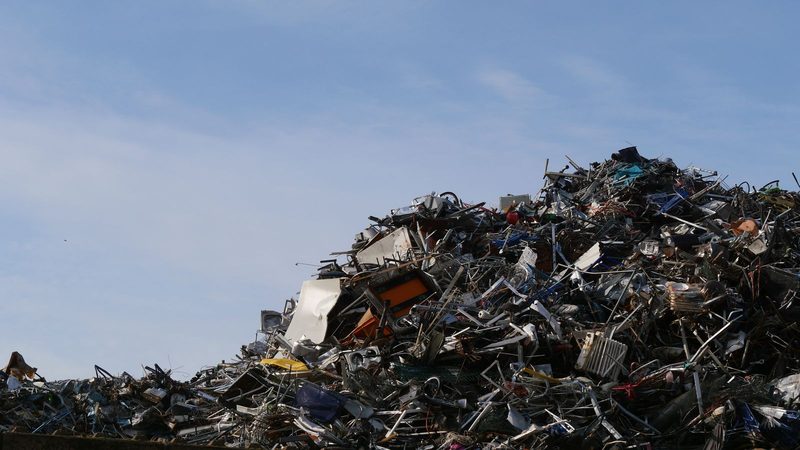
The catch is occupancy. Most policies restrict cover once a home has been empty for 30 or 60 consecutive days, and theft and malicious damage are usually the first things to go. If you're sorting out a probate property or a house between tenants in Swindon, tell your insurer and ask what cover you have. Replacing stolen lead with a non-lead alternative, such as GRP or a lead-substitute flashing, costs about the same and makes the roof far less appealing to thieves next time.
What Home Insurance Never Covers on a Roof
These are the reasons most refused roof claims get refused:
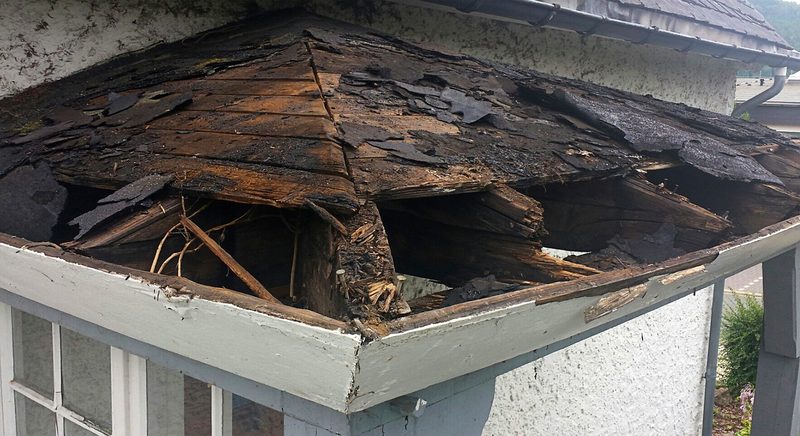
- Wear and tear. Tiles, felt, mortar and nails wear out over time. A roof failing because it's old isn't an insured event.
- Gradual damage. Leaks that have been going on for weeks, rot in battens or rafters, and damp patches that have slowly spread.
- Faulty workmanship. Problems caused by a poor repair or a badly fitted roof go back to the contractor, not the insurer.
- Poor maintenance. Blocked gutters that overflowed, moss left to lift tiles, or a known problem you didn't fix.
- Pests and birds. Damage from squirrels, birds or insects is excluded on almost every policy.
On Swindon's 1960s-80s houses, insurers often point to nail fatigue and crumbling ridge mortar as evidence of wear and tear. That doesn't mean they're always right. If a storm genuinely caused the damage, a roofer's report explaining why the fixings were sound until the wind hit can change the outcome.
How to Make a Roof Insurance Claim in Swindon
1. Make it safe. Arrange an emergency repair or tarpaulin if water is getting in. Your policy expects you to stop the damage getting worse, and the cost of a temporary repair is usually claimable. 2. Photograph everything from the ground, in the loft and inside, with dates. Keep any broken tiles or slates. 3. Check the weather on the date. Note the Met Office gusts for your area, and any named storm. 4. Get a roofer's written report on the cause of the damage, not just a quote. 5. Call your insurer, or claim online, within the time limit in your policy. Some ask for notice within 30 days. 6. Get two quotes if the insurer asks. Many insurers will let you use your own roofer rather than one from their panel.

When It's Not Worth Claiming
Your excess comes off every claim, and on most buildings policies it's somewhere between £100 and £500, often more for escape of water. A claim can also push up your premium by 10-25% at renewal and knock out a no-claims discount you may have built up over several years.

Rough Swindon prices for common roof repairs in 2026:
- Replacing 3-6 slipped or broken tiles: £150-£350
- Rebedding a short run of ridge tiles: £250-£500
- Repairing a chimney flashing: £250-£600
- Replacing a section of stolen lead on a bay roof: £400-£900
- Storm damage to one roof slope: £1,200-£3,500
- Tree damage needing new rafters and re-tiling: £3,000-£8,000
If the repair costs less than about twice your excess, paying for it yourself is often the better deal. Above £1,000-£1,500, claiming usually makes sense. If the insurer turns you down and you think they've got it wrong, complain to them first in writing. If you're still not happy after eight weeks, or they send a final response you disagree with, you can take it to the Financial Ombudsman for free.
Frequently Asked Questions About Roof Insurance in Swindon
Does home insurance cover roof repairs in Swindon?
Buildings insurance covers roof damage from sudden events like storms, fallen trees, fire, theft and vandalism. It doesn't cover roofs that have worn out with age, gradual leaks or damage from poor workmanship.
Is a leaking roof covered by home insurance?
Usually only if a storm or impact caused the leak. Rain coming through a roof isn't classed as escape of water, so a leak caused by old tiles or felt is normally treated as wear and tear and not covered.
Is stolen roof lead covered by insurance?
Theft of lead from a roof is normally covered under buildings insurance, including the water damage that follows. Cover is often restricted if the house has been empty for more than 30 or 60 days.
Will claiming for my roof put my insurance premium up?
It often does, typically by 10-25% at renewal, and you may lose your no-claims discount. For small repairs costing less than about twice your excess, paying yourself is usually cheaper overall.
Ready to work with Roof Repairs Swindon?
Let's connect! We’re here to help.
Send us a message and we’ll be in touch.
Or give us a call today at 01793 939231
Agency Contact Form
More Marketing Tips, Tricks & Tools