Matching Roof Tiles in Swindon: Finding Replacements for Faded and Discontinued Concrete Tiles
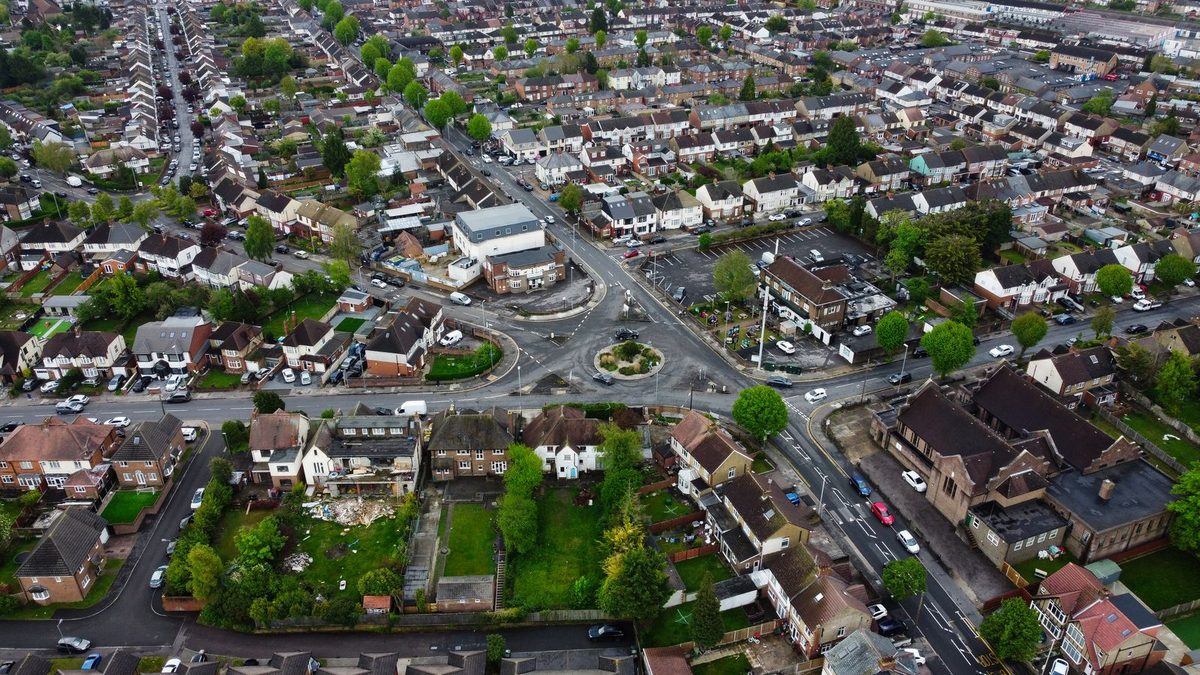
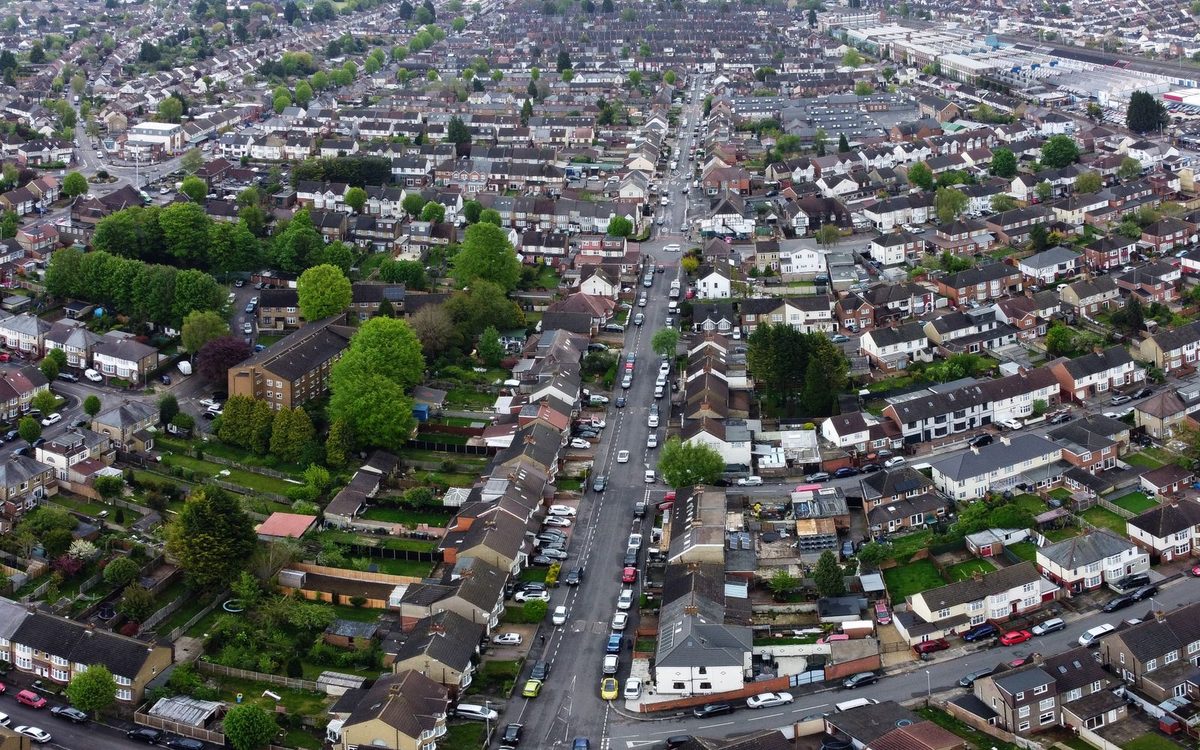
You've lost a few tiles in a gale, or you're adding a porch or extension, and the roofer says the words nobody wants to hear: "I'm not sure we can match those." Matching roof tiles in Swindon is a bigger headache than in most towns, because so much of the housing was built in a hurry. Swindon more than doubled in population between the 1950s and the 1990s, and whole districts went up in a couple of decades: Penhill and Walcot in the 1950s, Covingham and Park North in the 60s and 70s, then West Swindon, Toothill, Freshbrook and Shaw through the 1970s and 80s. Most of those houses were roofed in concrete interlocking tiles, and many of the profiles and colours used then have since been changed or dropped. A concrete tile also fades noticeably over 20-40 years, so even an exact new match can look wrong for the first few years. Here's how roofers find a match, what it costs, and when it stops being worth the effort.
Why Matching Roof Tiles in Swindon Is Harder Than It Looks
There are three separate problems, and people often only think about the first.

The first is the profile. Interlocking tiles lock together along their sides, and each make and model has its own interlock. Put a tile from one maker next to another maker's tile and the side locks don't line up, even if they look the same from the street. Water then runs into the gap. That's the main reason a roofer can't just grab "any brown tile" from the merchant.
The second is size. Tiles that look identical can differ by 5-10mm in length or width, which changes the gauge (the spacing of the battens) and the cover. A tile that's slightly too short leaves a lap that's too small for the pitch.
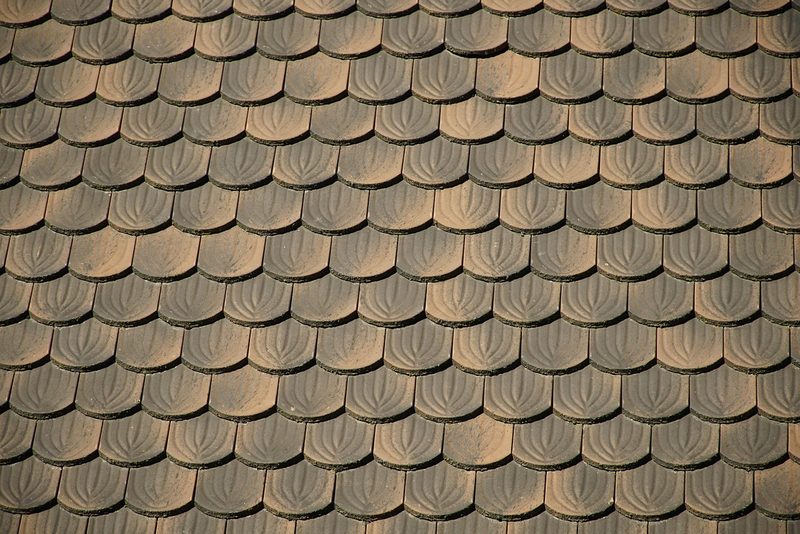
The third is colour. A new concrete tile has a bright surface coating. Over two or three decades, rain and frost wear that down, moss and lichen move in, and a brown tile turns a sort of muddy grey. Swindon's mix of chalk downland to the south and clay vale to the north means the town gets damp, still winter air in the low spots and wind across the open edges, so you can see different fading on different estates.
If you'd like someone to identify your tile and tell you honestly whether it can be matched, Roof Repairs Swindon can usually do that from one tile lifted off the roof.
How to Identify the Tile on Your Swindon Roof
Most concrete tiles have the maker's name and sometimes the model stamped or cast into the underside. A roofer will lift one tile, usually from a lower course, and check:
- The name on the back. Redland, Marley, Sandtoft and Russell are the names you'll see most on Swindon estates.
- The length, width and thickness, measured to the millimetre.
- The interlock: single or double, and which side it laps.
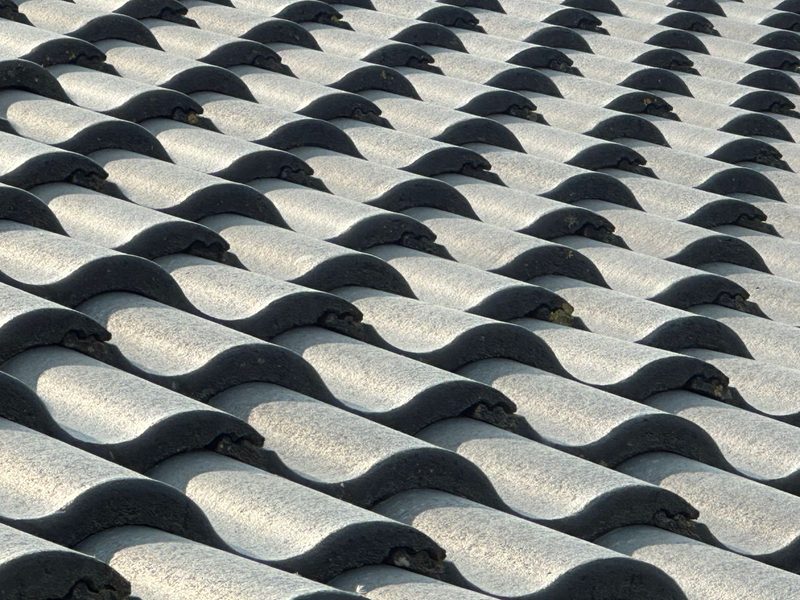
- The profile from the front. Flat, low-profile, or a big rolled "pantile" or "double Roman" shape.
- The nail holes, and whether there are clip slots.
With those details, a good roofer can often name the tile in a few minutes. Some of the most common tiles from the period, such as the Redland 49 and the Marley Ludlow Major, are still made today, which makes life much easier. Others have been discontinued, or are still sold under the same name but in a slightly different size or colour range.
When there's no stamp
On some older roofs the underside is worn smooth, or covered in old felt residue. Then it comes down to measuring and comparing with reclaimed stock. Roofers who've worked Swindon for years tend to know which tiles turn up on which estates, because builders used the same supplier across hundreds of houses at a time.
Your Four Options for a Matching Tile
1. A current new tile in the same profile
If your tile is still made, this is the easy route. New concrete tiles typically cost £1.20-£2.50 each. The catch is colour, as above. On a back slope nobody sees, nobody minds. On the front of a semi where the neighbour's half is the original tile, a bright new patch can stand out for 5-10 years.
2. Reclaimed tiles
Reclamation yards across Wiltshire and the wider area stock used concrete tiles taken off re-roofs. They're already weathered, so the colour is often a better match than new. Expect to pay roughly £0.80-£2.00 each, depending on the tile and how scarce it is. The downsides: you need to check each tile for cracks and worn nibs, and you may need to buy 10-20% more than you need to allow for duds.
3. "Robbing" tiles from a hidden slope
This is the trick a lot of roofers use, and it works well. Your original tiles are taken from a slope nobody sees, often the back of the house, a rear garage or a side extension, and moved to the front where the repair is. New or reclaimed tiles then go on the hidden slope. The visible side matches perfectly because it's the same batch of tiles. It adds labour, typically half a day to a day, but saves a patchy front elevation.
4. A close alternative with a compatible interlock
Some manufacturers make tiles designed to replace discontinued profiles from other makers, sized to sit alongside them. These only work where the maker says they're compatible. A roofer guessing doesn't count.
When a Match Matters Most: Extensions, Porches and Repairs
For a few slipped tiles after a storm, a slight colour difference is a small price to pay for a watertight roof. It matters more in two situations.
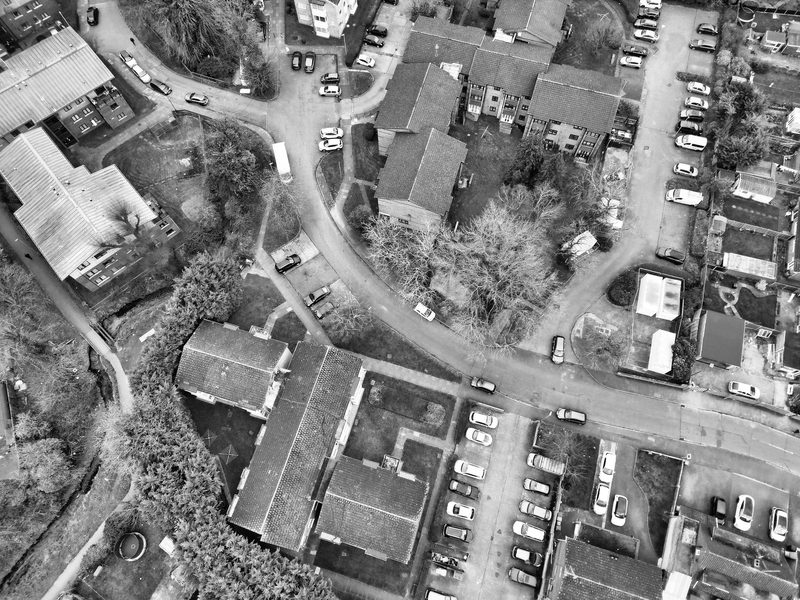
The first is extensions. If you're adding a single-storey extension or a porch, the new roof is right at eye level, often at the front, and it sits right next to the old roof. Matching here is worth time and money, and robbing tiles from the back is often the best answer.
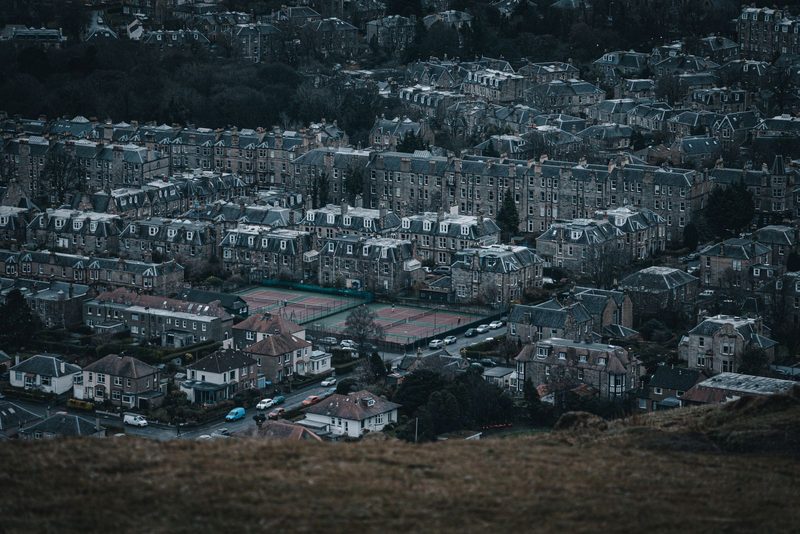
The second is semis and terraces. On a pair of semis, your half of the roof and your neighbour's half meet at the party wall. If you re-tile your half in a different tile, the line is obvious from the street. Some buyers notice it, and a few mortgage valuers mention it. We've covered more on how semi-detached and bungalow roofs get repaired in our guide to bungalow roof replacement and repairs in Swindon, and a lot of the same thinking applies to semis.
The Rules on Changing Tiles in Swindon
For most houses, replacing tiles like for like needs no planning permission at all. Changing to a different tile can be different. Re-roofing usually falls under permitted development as long as the new materials look similar to the old, but that doesn't apply in conservation areas, such as parts of Old Town and the Railway Village, or on listed buildings. You can check the general position on the government's planning permission guidance for England, and ask Swindon Borough Council's planning team if you're in any doubt.
Weight is the other issue. Swapping concrete tiles for slate is usually fine because slate is lighter. Going the other way, from a light tile to a heavier concrete one, can overload rafters that were sized for the original covering. Re-roofing with a heavier material is one of the situations where building regulations apply, and the structural side is covered by Approved Document A on structure. A roofer should check the timbers and, where needed, get a structural engineer's view before quoting.
What Tile Matching Costs in Swindon in 2026
Typical prices, including VAT, for a standard Swindon semi or terrace:
- Identifying your tile and sourcing quotes for a match: often free with a repair quote, or £60-£120 as a standalone visit.
- Replacing 3-6 slipped tiles with matched new or reclaimed tiles: £120-£300.
- Robbing tiles from a rear slope to repair the front, then re-tiling the rear: £600-£1,400 for a front elevation repair.
- Matching an extension roof of 15-25 square metres with reclaimed tiles: £1,800-£3,500 for the tiling.
- Re-tiling one slope of a semi in a new tile: £3,000-£5,000.
- Full re-roof of a 3-bed semi in new concrete tiles: roughly £7,000-£11,000, including scaffolding.
Swindon's roofing firms are busy most of the year now, partly because of the steady flow of new homes being built on the town's northern and eastern edges, and partly because of the national shortage of skilled roofers. Non-urgent jobs typically wait 2-5 weeks, and longer after winter storms. If reclaimed tiles have to be tracked down, add a week or two.
When to Stop Trying to Match and Re-Roof
Sometimes the hunt for a match is a sign the roof itself is finished. If your tiles are 50-60 years old, crumbling at the edges, and you need more than about 10-15% of them replaced, chasing reclaimed stock tile by tile often costs more over five years than doing the slope or the whole roof properly.
A few signs it's time:
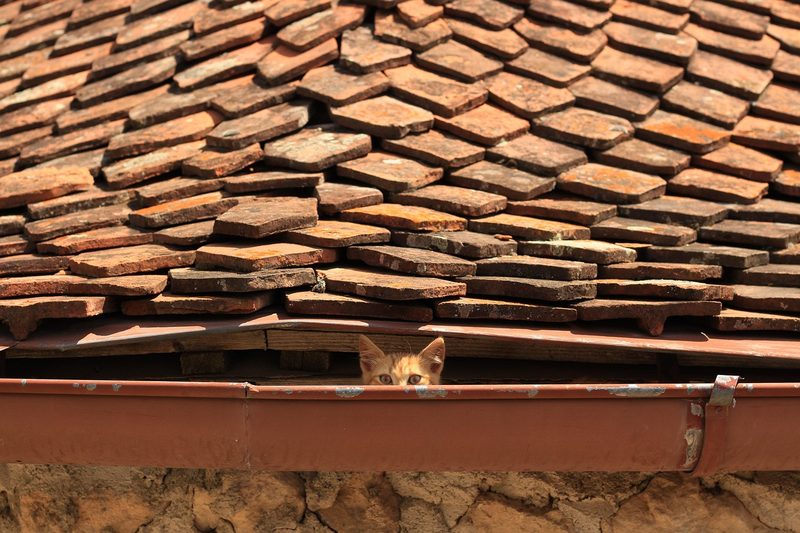
- Tiles break when the roofer walks on them or lifts them.
- The nibs on the back, which hook over the battens, have worn or snapped on lots of tiles.
- You're having tiles replaced every winter.
- The felt under them is brittle too, which you can check from the loft.
At that point a full re-roof in a current tile solves the matching problem for good. If you're in a semi, it's worth talking to your neighbour, since doing both halves at once can save 10-15% each on scaffolding and set-up, and the roof will match.
Frequently Asked Questions About Matching Roof Tiles in Swindon
Can you mix different makes of concrete roof tile?
Generally no. Different makes have different interlocks and sizes, so they don't seal against each other properly and water can get in. Only mix tiles where the manufacturer states they're compatible.

Will new roof tiles match my old ones?
They can match in profile but not usually in colour at first. New concrete tiles look brighter and weather down over several years. Reclaimed tiles, or moving original tiles from a hidden slope to the front, give a closer match straight away.
How much do reclaimed roof tiles cost?
Reclaimed concrete tiles typically cost £0.80-£2.00 each in 2026, depending on the profile and how scarce it is. Allow 10-20% extra for cracked or damaged tiles.
Do I need permission to change my roof tiles in Swindon?
Usually not for like-for-like tiles. If you're changing to a noticeably different tile, live in a conservation area such as parts of Old Town or the Railway Village, or your home is listed, check with Swindon Borough Council first. A heavier tile can also need building regulations approval.
Ready to work with Roof Repairs Swindon?
Let's connect! We’re here to help.
Send us a message and we’ll be in touch.
Or give us a call today at 01793 939231
Agency Contact Form
More Marketing Tips, Tricks & Tools