Who Pays for Roof Repairs on Flats in Swindon? Leases, Section 20 and Converted Houses
Roof repairs on flats in Swindon come with a question a house owner never has to ask: whose roof is it? In a block of 20 flats, a £30,000 roof bill might cost you £1,500. In a Victorian house split into 3 flats, the same leak can land on one owner, all three, or a freeholder you've never met, depending on a few lines in a lease written decades ago. Swindon has plenty of both. The railway-era terraces near the old town centre were often converted into 2-4 flats from the 1970s onwards, and the big western and northern expansion of the 1990s-2010s added thousands of purpose-built flats. Swindon gets around 700-750mm of rain a year, well under the UK average of roughly 1,160mm, but the wet clay vale keeps roofs damp for long spells, and many of those newer blocks are now 20-30 years old, which is when flat roof coverings and sealants start to give out. Here's how the bill gets split, and what the law says before anyone can send you one.
Roof Repairs on Flats in Swindon: Which of Three Situations Are You In?
Almost every Swindon flat owner is in one of three situations, and the rules shift a little in each. Work out yours first. It decides who calls the roofer, who signs the contract and how much say you get.
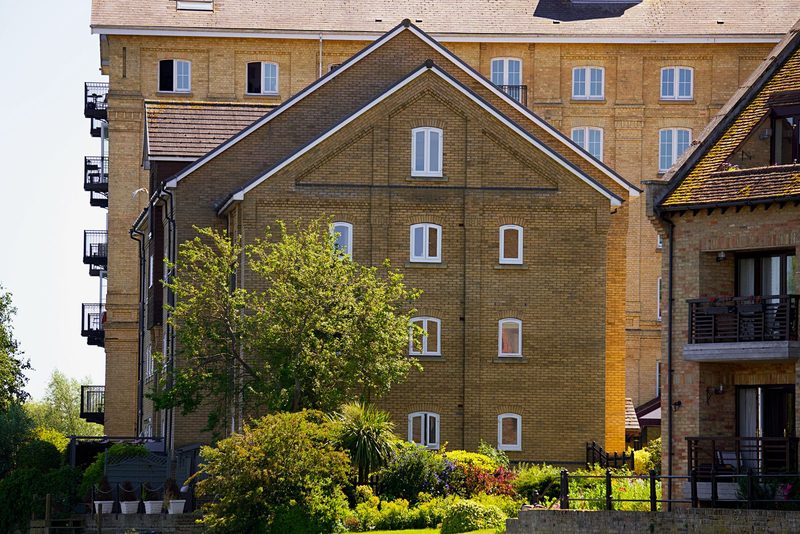
The first is a purpose-built block with a managing agent. The freeholder (often an investment company) owns the roof, a managing agent runs the building, and you pay through the service charge. You rarely deal with the roofer directly.
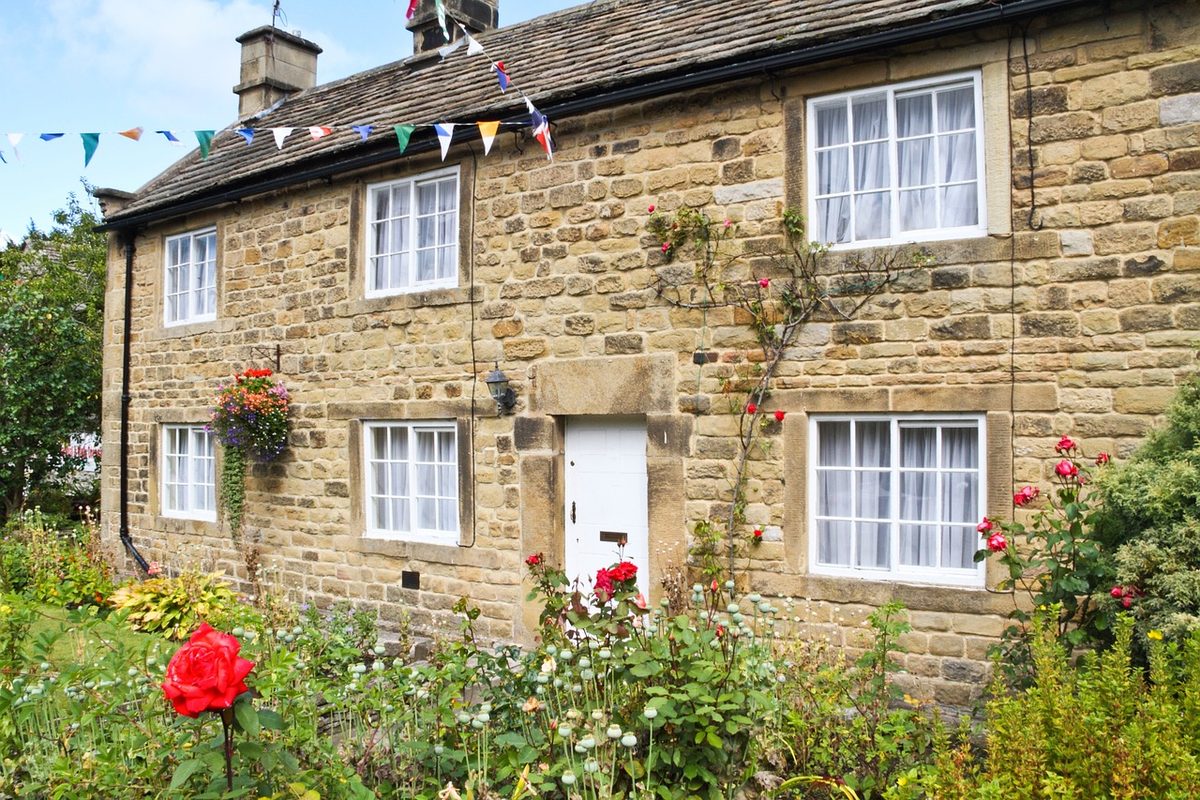
The second is a converted house, usually a Victorian or Edwardian terrace or semi split into 2-4 flats. There may be an outside freeholder, or the freehold may sit with one of the flat owners. This is where most arguments start, and the top-floor owner is the one who usually gets blamed. The third is share of freehold or a Right to Manage (RTM) company, where the leaseholders own or manage the building themselves and have to organise the work between them. If you're not sure which applies or what the roof actually needs, Roof Repairs Swindon can inspect it and give you a written report that every owner can read.
What Your Lease Says About the Roof
The lease is the rulebook. Nearly every roof dispute we hear about between Swindon flat owners comes down to someone not having read it properly. The parts that matter are the demise, the repairing covenants and the service charge clause.

The demise: does the top flat own the roof?
The demise is the part of the building your lease actually grants you. In most purpose-built blocks, the demise stops at the inside face of your ceiling, so the roof structure and covering stay with the freeholder. In converted houses it varies far more. Some top-floor leases include the loft space and the roof itself, which can make that owner liable for the whole bill. Others include the loft but not the roof. A few say nothing clear at all, which is when solicitors get involved.
Repairing covenants and contributions
The repairing covenant says who must keep each part in repair. The service charge clause then says who pays for it, and the two don't always point at the same person. A common converted-house set-up is that the freeholder must repair the roof but can recover the cost from all the flats in fixed shares, such as 40% top floor, 30% each for the other two. Purpose-built blocks usually split by floor area or an equal share, so 1/24th each in a 24-flat block. If the percentages in the lease don't add up to 100%, which happens more often than you'd think on older conversions, the freeholder may have to cover the gap.
Section 20: The £250 Rule That Protects Leaseholders
If roof work will cost any one leaseholder more than £250, the landlord must run a formal consultation before the work goes ahead. This comes from Section 20 of the Landlord and Tenant Act 1985, and it applies whether the "landlord" is a large company, a managing agent acting for one, an RTM company or a share-of-freehold company run by your neighbours. If the landlord skips it, they can usually only recover £250 from each flat, however big the bill.

For most roof jobs, the process has three stages:
1. Notice of intention. The landlord describes the work and why it's needed. You get at least 30 days to comment and to nominate a roofer you'd like asked to quote. 2. Statement of estimates. At least two quotes must be sent out, one from a firm with no connection to the landlord, along with a summary of everyone's comments. Another 30 days for comments follows. 3. Notice of reasons. If the landlord doesn't pick the cheapest quote or a leaseholder's nominated roofer, they must explain why within 21 days of signing the contract.
In practice that adds 10-12 weeks before a roofer can start. Slow, yes. But it's the reason you get a say in the price. The government's guide to leasehold service charges and your right to be consulted covers the thresholds in plain English, including the separate £100-a-year limit for long-term contracts.
Emergency Roof Repairs and Dispensation
Roofs don't wait for a 60-day consultation. If a storm strips a section of felt off a Swindon block in February and water is coming through a top-floor ceiling, the landlord should get a roofer out for a temporary repair at once. A tarpaulin or patch that costs less than £250 per flat doesn't need consultation anyway, and it often costs £200-£600 in total.
When a bigger emergency repair can't wait, the landlord can ask the First-tier Tribunal (Property Chamber) to excuse them from some or all of the Section 20 steps. This is called dispensation, and it's granted under Section 20ZA of the same Act. Since a 2013 Supreme Court case, the tribunal mainly asks one question: did leaseholders lose out because consultation was skipped? If not, dispensation is usually granted, sometimes on condition that the landlord pays the leaseholders' costs. Landlords can apply after the work is done, but a sensible one keeps you informed all the way through, with photos.
What Roof Repairs on Flats Typically Cost Per Flat
These are typical Swindon figures for 2026, including VAT where a VAT-registered firm does the work. Your share depends on the percentage in your lease.

- Patch repair of 5-10 slipped slates or tiles on a converted house: £300-£800 in total, so roughly £100-£400 each across 2-4 flats.
- Rebedding and repointing the ridge on a converted terrace: £700-£1,400, or about £250-£700 each.
- Recovering a 150m² flat roof on a small block: £12,000-£22,000, which works out at £1,000-£1,800 each across 12 flats.
- Recovering a 400m² flat roof on a larger block: £32,000-£60,000, or £1,300-£2,500 each across 24 flats.
- Full re-roof of a converted Victorian terrace in natural slate: £14,000-£22,000, so anywhere from £3,500 to £11,000 each across 2-4 flats, depending on the split.
Scaffolding and fees
Scaffolding is often the biggest single line. Expect £900-£1,600 for a two-storey terrace and £1,800-£3,000 for a three-storey conversion, and £6,000-£15,000 or more around a purpose-built block. On larger jobs a managing agent will usually add a surveyor or project management fee of 10-15% on top of the contract price. That's normally recoverable through the service charge if the lease allows it, but it should be shown in the Section 20 notices, not appear later as a surprise.
Because the trade is busy here, quotes for blocks often carry 6-10 week lead times in autumn and winter. If your building has a reserve or sinking fund, check its balance early. A fund with £15,000 in it can turn a £1,800 bill per flat into £600.
Insurance Claim or Wear and Tear?
Most blocks and many conversions have a single buildings insurance policy, arranged by the freeholder and paid through the service charge. Whether a roof repair goes through that policy depends on the cause. Storm damage (insurers usually mean winds of around 55mph or more, or heavy rain or hail) is normally covered. Slow wear and tear isn't, and that covers most of what we find on Swindon roofs: perished felt, cracked mortar, sealant gone brittle on 20-year-old flat roofs, and blocked outlets.
Block policies often carry a £250-£1,000 excess, sometimes higher on older conversions. That excess is usually spread across the flats too. Ask the roofer to photograph the damage and to write down whether it's sudden or gradual, because an insurer's loss adjuster will ask exactly that. If the claim succeeds, the payout goes to the policyholder (normally the freeholder), who must use it on the repair.
Converted Houses: When the Top-Floor Flat Gets the Blame
Swindon's terraced streets have lots of houses split into a ground-floor and first-floor flat, or three flats over three storeys. When the roof leaks, the water shows up in the top flat first, and the owners downstairs tend to assume it's that owner's problem. Often it isn't. We've stood in more than one Swindon front garden while three owners argued about a leak that, under their lease, they all shared. Unless the lease puts the roof in the top flat's demise, the cost is usually shared.
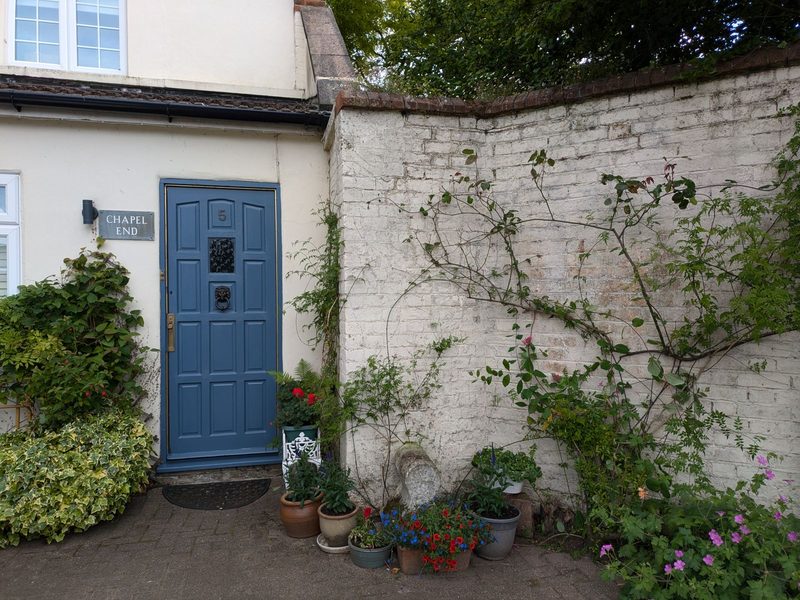
Two things make conversions harder than blocks. Nobody employs a managing agent, so somebody has to organise quotes and chase payments. And the freehold may belong to one of the owners, which makes that person the "landlord" for Section 20 purposes even though they live downstairs. Many of these roofs are original Welsh slate on lime mortar, now 120-plus years old. Sometimes the honest advice is a full re-roof, not another patch.
If your converted house shares a roof with the house next door, the neighbours may be involved too. We've covered that in more detail in our guide to party walls and shared roofs in Swindon, including when roof work needs a notice and who pays.
Share of Freehold, RTM Companies and Getting Quotes as a Group
In a share-of-freehold building or one run by an RTM company, the owners are the decision makers. That's cheaper, with no agent's fee, but the paperwork lands on you. The company still needs to follow Section 20 if any owner's share tops £250. Plenty of small Swindon freehold companies skip it because everyone agrees, and that's fine until someone sells mid-project and the buyer refuses to pay.

When you get quotes as a group, a few habits save trouble:
- Agree a written scope before asking for prices, so every roofer quotes for the same job.
- Get at least two quotes, and invite each owner to nominate one roofer.
- Ask for the price broken down by scaffold, materials, labour and waste, so each owner can see what they're paying for.
- Agree in writing how and when each owner pays their share, ideally into a company bank account before the work starts.
- Ask for an insurance-backed guarantee, typically 10 years on flat roof systems, held in the company's name so it passes on when flats are sold.
Any roofer used to working on flats will expect a group decision. If one pushes you for a quick yes, that tells you something.
Frequently Asked Questions About Roof Repairs on Flats in Swindon
Does the top-floor flat have to pay for the roof?
Only if the lease says so. Check the demise and the repairing covenants. In most purpose-built Swindon blocks the freeholder owns the roof and all flats contribute. In converted houses the top flat sometimes owns the roof, but more often the cost is split between all the flats.
How much can I be charged for roof repairs without a Section 20 consultation?
If proper consultation isn't carried out and the tribunal hasn't granted dispensation, the landlord can normally recover no more than £250 from each leaseholder for that set of works, however much the job costs.
How long does Section 20 consultation take for a roof?
Usually 10-12 weeks from the first notice to a signed contract. There are two 30-day comment periods, plus time to gather quotes. Urgent temporary repairs can go ahead first.
Can we use our own roofer for a block roof repair?
You can nominate one during the first 30-day period of a Section 20 consultation, and the landlord must try to get a quote from them. The landlord doesn't have to choose them, but must explain why if they pick a different firm.
Ready to work with Roof Repairs Swindon?
Let's connect! We’re here to help.
Send us a message and we’ll be in touch.
Or give us a call today at 01793 939231
Agency Contact Form
More Marketing Tips, Tricks & Tools