Selling a House in Swindon With a Roof Problem: Fix It, Price It In or Disclose It?
Roofs sink more house sales than almost anything else a surveyor looks at. Selling a house with a roof problem in Swindon is common, though: a big share of the town's housing is either Victorian terrace or 1960s-80s estate, and plenty of those roofs are on their first or second covering. A full reroof on a Swindon semi costs around £7,000-£12,000, and buyers who spot a roof defect at survey stage typically try to knock off far more than the repair is worth - asking for £10,000 off over a £1,500 job is not unusual. Around a third of agreed sales in England and Wales fall through before completion, and survey findings are one of the main reasons. The good news is that most of this is avoidable. Below is what surveyors actually flag on Swindon roofs, which jobs are worth doing before you list, what you must declare on the TA6 form, and how to handle a buyer who comes back with a lower offer.
What Surveyors Flag When You're Selling a House With a Roof Problem in Swindon
A buyer's surveyor works from the ground, the loft hatch and a pair of binoculars. They rarely go on the roof. So what ends up in the report is whatever they can see from below, and on Swindon houses that tends to be the same shortlist.
- Slipped, cracked or missing tiles, especially on the concrete interlocking tiles found across Toothill, Freshbrook and Westlea
- Cracked or missing mortar on ridge and hip tiles, which the report will call "deteriorated bedding"
- Sagging or "dished" roof slopes, often on older terraces in Rodbourne and Gorse Hill where the original timbers have carried a heavier replacement tile
- Lead flashings that have lifted around chimneys and abutments
- Felt flat roofs over kitchen extensions and garages past their 15-20 year lifespan
- Damp staining, daylight or condensation in the loft
Under the RICS condition rating system, each element gets a 1, 2 or 3. A 3 means a defect that is serious or needs urgent repair or investigation, and lenders and buyers react to a 3 on the roof very differently to a 2. Most roof findings land at 2, which reads to a buyer as "budget for it" rather than "walk away".
If you want to know what a surveyor will say before they say it, Roof Repairs Swindon can carry out a pre-sale roof check and give you a written report you can hand to your agent.
Why Swindon roofs get flagged so often
Swindon gets about 700-750mm of rain a year, which is well under the UK average of roughly 1,160mm. That sounds like good news, and for tile life it is. But the town sits in a frost-prone stretch of north Wiltshire, and freeze-thaw cycling between November and March is what cracks ridge mortar and old concrete tiles. Drier summers also mean the defects build up quietly. Many sellers simply have no idea there's a problem until a buyer's surveyor writes it down.
Fix Before Listing or Price It In? How to Decide
Not every roof problem should be fixed before you sell. The rule we'd use is simple. If the repair is cheap, visible and likely to scare a buyer more than it costs, fix it. If it's a big job that a buyer may want to do their own way, price it in and be upfront.
Jobs that are almost always worth doing first:
- Replacing a few slipped or broken tiles: £150-£400
- Re-bedding or dry-fixing a ridge line: £400-£1,200
- Re-dressing or replacing chimney flashing: £300-£800
- Clearing and re-fixing gutters and downpipes: £100-£300
Each of these costs less than the discount a nervous buyer would ask for, and each one removes a line from the survey report.
Jobs that are often better priced in:
- A full reroof at £7,000-£12,000, where a buyer may want to add a loft conversion or rooflights at the same time
- Replacing a flat roof over a garage the buyer might knock down
- Major timber work on a sagging Victorian roof, which really needs a structural engineer's view
There's a timing point too. Good roofers in Swindon are often booked four to eight weeks ahead between April and September, so if you're planning a spring listing, get quotes in January or February rather than the week the photos are taken.
Paperwork matters as much as the repair
Any repair you do before selling is only useful if you can prove it. Keep the invoice, photos of the work and any guarantee. Buyers' solicitors will ask, and "a man did it last year" doesn't help anyone. If the roof is relatively new, the age matters a lot to a buyer, and our guide to how long a roof lasts in Swindon by housing era is a decent reference for what buyers will expect from yours.
What You Have to Declare on the TA6 Property Information Form
The TA6 is the Law Society form your conveyancer sends you near the start of a sale. It asks about building works, guarantees, disputes, flooding and more. It's not optional in practice, and your answers form part of the contract.

For roofs, the questions that matter are:
- Any building works, including reroofing, since you've owned the house
- Whether Building Regulations sign-off was obtained for that work
- Any guarantees or warranties, and whether you can hand them over
- Known defects, leaks or insurance claims
If you know about a roof leak and answer "no" or leave it vague, the buyer can sue you after completion under the Misrepresentation Act 1967. Claims like this commonly run to several thousand pounds once legal costs are added. "Not known" is only safe when it's genuinely true. Our advice is to declare it, attach a quote, and let the buyer factor it in.
Building Regulations and reroofing certificates
Replacing more than 25% of a roof's area counts as notifiable work, which means it needs either Building Control approval from Swindon Borough Council or self-certification by a roofer in a competent person scheme. You can check which schemes cover roofing on the government's list of authorised competent person schemes. No certificate for a reroof done in the last decade or so is one of the most common things a buyer's solicitor raises. Fixing it later through regularisation is possible but slow, and often adds two to six weeks to a sale.
Survey Retentions: When the Lender Holds Back Money
Sometimes the buyer is happy to go ahead but their mortgage lender isn't. If the lender's valuer thinks the roof needs essential work, the lender can make a retention - holding back part of the mortgage until the repair is done.

Retentions on roof issues typically range from £2,000 to £10,000. That leaves the buyer with three options:
- Find the shortfall themselves and do the work after completion
- Ask you to do the work before completion, so the retention is lifted
- Renegotiate the price down to cover it
For sellers, doing the repair before completion is often the cleanest route. A roofer's invoice and a re-inspection by the valuer (usually £100-£200) normally releases the money. Just be realistic about the time. Between the roofer's lead time, the work and the re-inspection, three to five weeks is typical in Swindon, and that can upset a chain.
Handling a Buyer Who Comes Back for a Lower Price
Renegotiation after a survey is normal, and you can't stop it. You can, however, stop it being worse than it needs to be.
The trick is to replace the buyer's guess with a real number. A survey that says "roof covering in poor condition - obtain quotes" invites a buyer to imagine the worst. Two written quotes from local roofers turn that into, say, £1,800 for ridge and flashing work. That gives you something firm to negotiate around.
You've got roughly three ways to respond:
1. Agree a price reduction equal to the quoted repair cost, not the buyer's estimate 2. Offer to do the work before exchange and keep the price 3. Offer a cash contribution or allowance on completion, if their lender allows it
Citizens Advice's guidance on selling a home is worth a read if you've never been through a renegotiation, especially the parts on what happens before and after exchange.
Don't drop the price twice
One mistake we see often is a seller agreeing to a reduction and then also agreeing to do the work. Pick one. And if a buyer uses a minor roof finding to chip 5-10% off the price, it's reasonable to push back. A £600 ridge repair is not a £20,000 problem.
Real Costs of Roof Repairs Before a Swindon Sale
Here's a rough guide to what common pre-sale roof work costs in Swindon in 2026, including labour and materials, with access equipment added where it's usually needed:

- Pre-sale roof inspection with written report: £100-£250
- Small tile repairs: £150-£400
- Ridge re-bedding or dry ridge: £400-£1,200
- Chimney flashing replacement: £300-£800
- Flat roof patch repair: £250-£600
- New EPDM or GRP flat roof on a single garage: £1,500-£3,000
- Full reroof on a three-bed semi: £7,000-£12,000
- Scaffolding for a two-storey semi, if not included: £600-£1,200
Swindon's supply of roofers is reasonable for a borough of around 235,000 people, but it isn't deep. Established firms book up through spring and summer, and the cheapest quote is often the one with no availability until after your sale completes. If you're on a deadline, ask for start dates as well as prices.
Getting a surveyor's view early
If you'd like an independent opinion before you list, you can book your own survey. RICS's guide to choosing the right home survey explains the difference between Level 1, 2 and 3 surveys. For most Swindon sellers worried only about the roof, a roofer's pre-sale check is cheaper and more specific.
Frequently Asked Questions About Selling a House With a Roof Problem in Swindon
Do I have to tell buyers about a roof problem when selling my house? Yes, if you know about it. The TA6 form asks directly about defects, building work and guarantees, and giving a false or misleading answer can leave you open to a misrepresentation claim after completion.
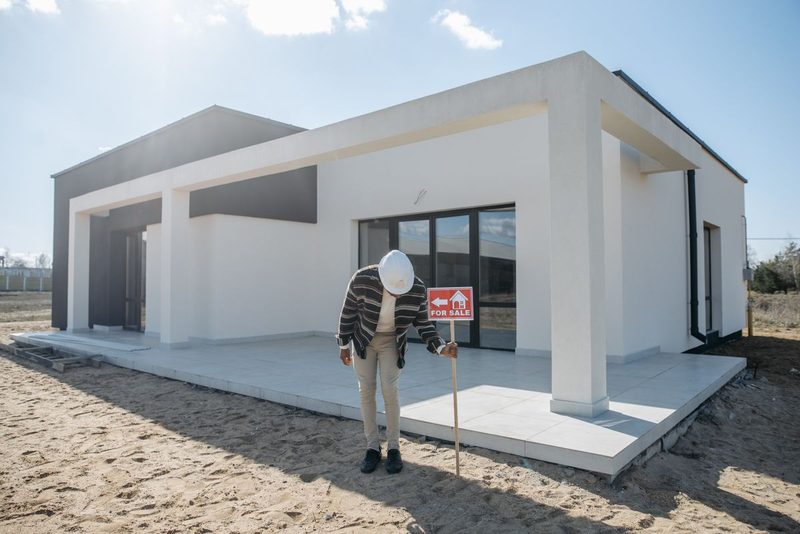
Is it better to fix a roof before selling or reduce the price? Fix small, cheap jobs like slipped tiles, ridge bedding and flashing first, because they cost less than the discount a buyer would ask for. For big jobs like a full reroof, it's usually better to price it in and provide quotes.
What is a mortgage retention for roof repairs? It's money the buyer's lender holds back, typically £2,000-£10,000 for roof issues, until essential repairs are done. Doing the work before completion and arranging a re-inspection usually releases it.
Can a buyer renegotiate after a survey flags the roof? Yes, and it's common. Getting two written quotes from local roofers gives you a real figure to negotiate around, rather than the buyer's estimate.
Ready to work with Roof Repairs Swindon?
Let's connect! We’re here to help.
Send us a message and we’ll be in touch.
Or give us a call today at 01793 939231
Agency Contact Form
More Marketing Tips, Tricks & Tools