How Long Does a Roof Last in Swindon? Lifespan by Housing Era, From the Railway Village to the 2020s Estates
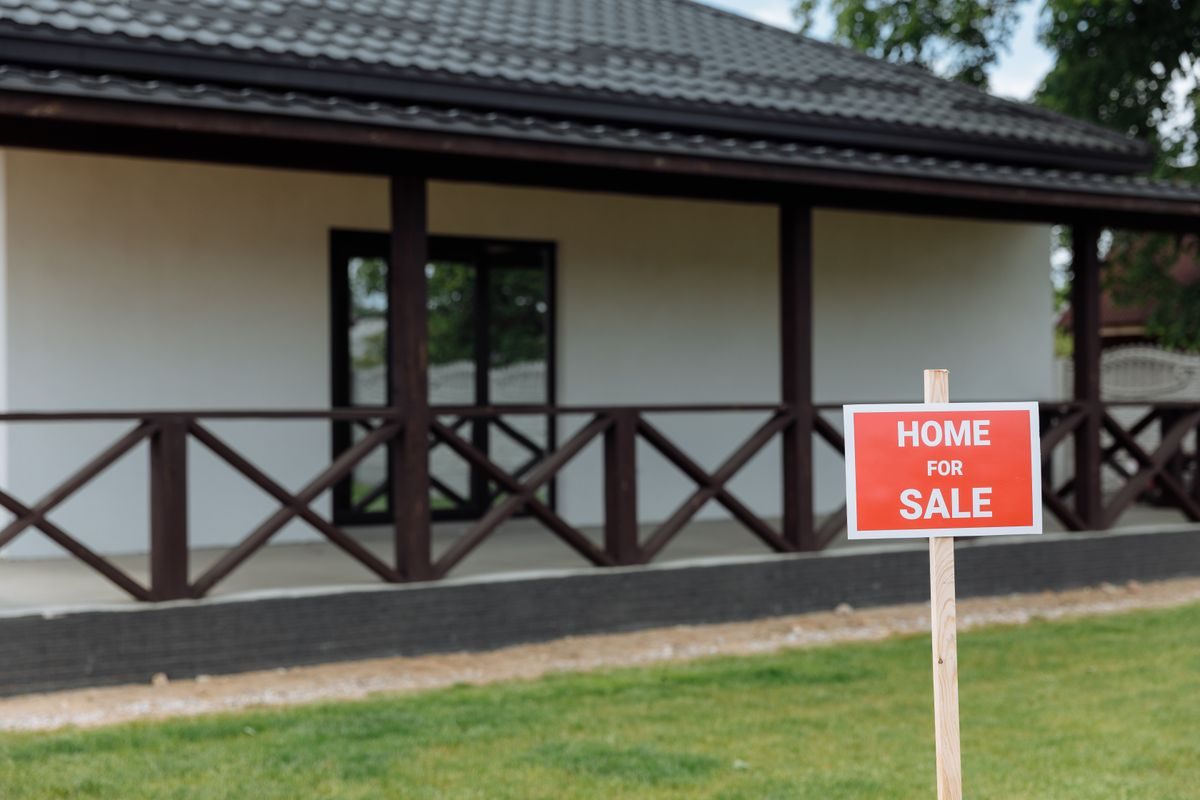
Swindon grew in bursts, and each burst put a different roof on the town. The Railway Village and Old Town were roofed in Welsh slate in the 1840s to 1890s. The interwar semis along the Stratton and Rodbourne roads got clay tiles in the 1930s. Then came the big one: the 1950s to 1980s expansion that built Park North, Park South, Walcot, Toothill, Freshbrook and West Swindon, tens of thousands of homes under concrete interlocking tiles. Around 45% of Swindon's housing stock dates from 1945 to 1985, one of the highest proportions of any English town, and those roofs are now 40 to 75 years old. How long a roof lasts in Swindon depends almost entirely on which of those eras it belongs to, because the materials differ, the construction differs, and the age at which each starts to fail is predictable to within a decade. A full replacement on a three-bed semi costs £6,500 to £12,000 in 2026. Here is when each era's roof is due, and how to tell.
Railway Village and Old Town: Welsh Slate, 130 to 180 Years Old
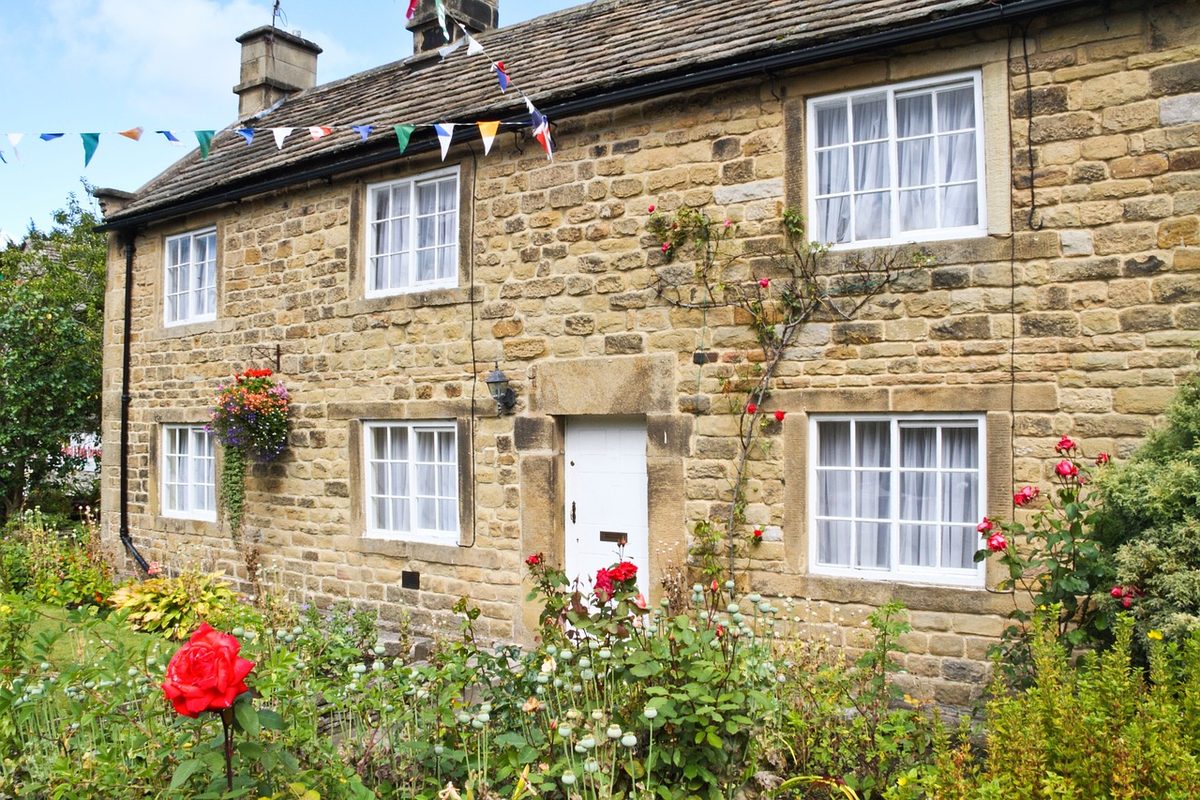
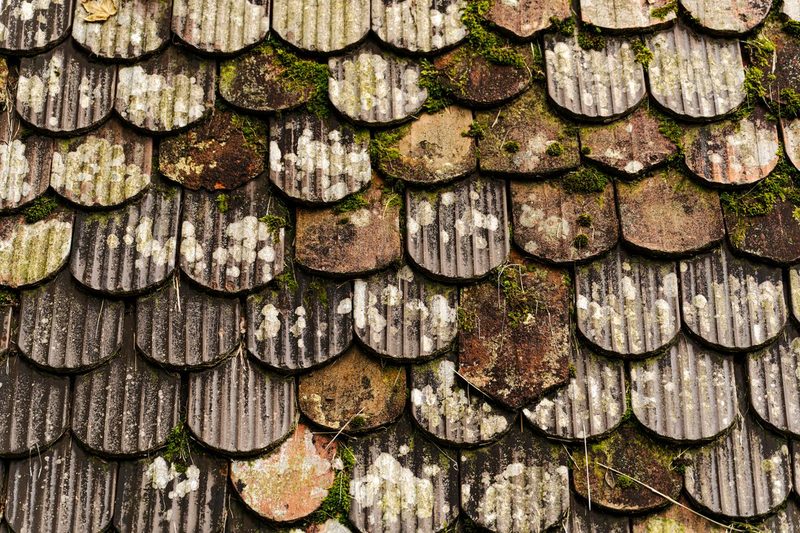
The oldest roofs in Swindon are also, in one sense, the best. Welsh slate laid in the Victorian period has a lifespan of 100 to 150 years, and plenty of roofs in the Railway Village conservation area are on their original slates. The slate itself rarely fails. What fails is everything holding it on.
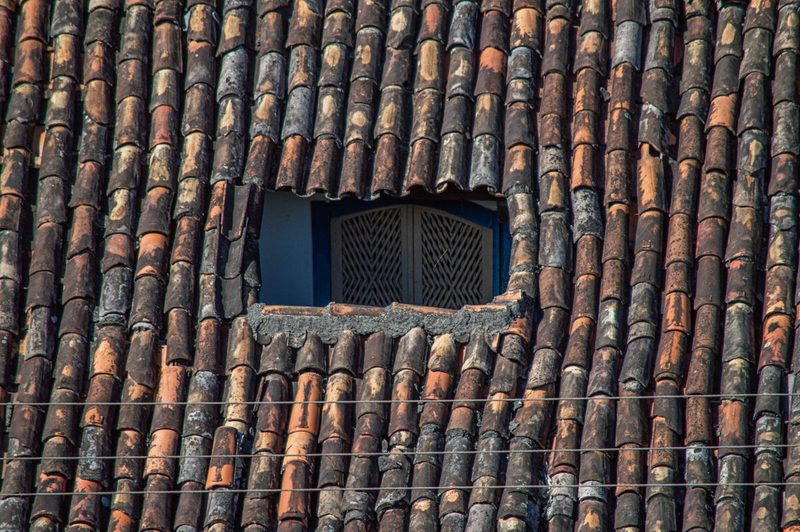
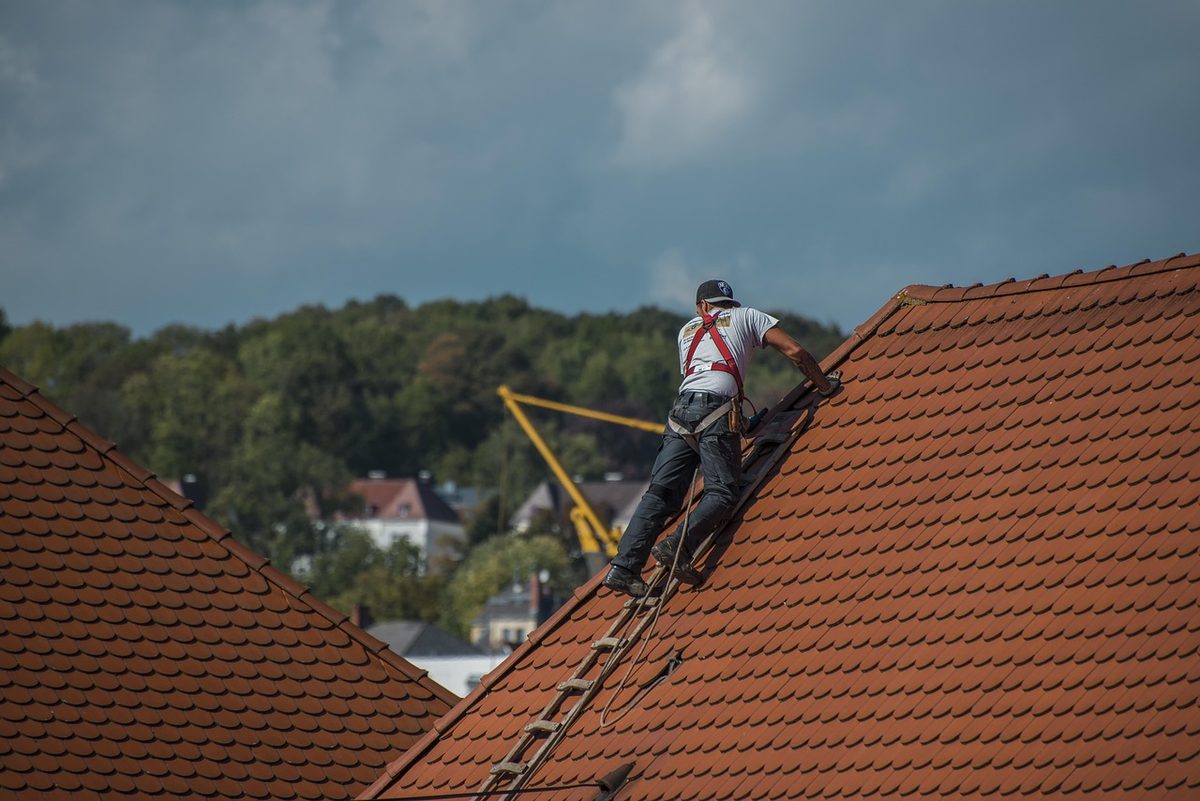
The iron nails used before about 1900 rust through, a process roofers call nail sickness, and once it starts slates slip in batches after every windy night. The timber battens rot where the slates have been leaking quietly for years. Lead valleys and flashings, replaced perhaps once in the roof's life, reach the end of their 60 to 80 year span. A Railway Village roof showing three or four slipped slates a year is not a roof that needs three or four slates. It is a roof that needs stripping, re-battening and relaying, ideally reusing the original slate, which is worth £1 to £2 a slate second-hand and is usually good for another century.
Because the Railway Village is a conservation area, Swindon Borough Council expects like-for-like materials on replacement, which rules out cheap alternatives and pushes a full reslate to £9,000 to £15,000 for a typical two-bed cottage. If you own one and want to know whether it needs a few slates or a new roof, Roof Repairs Swindon surveys conservation area roofs and will say plainly which it is.
1930s Semis: Clay Tiles, 90 Years and Counting
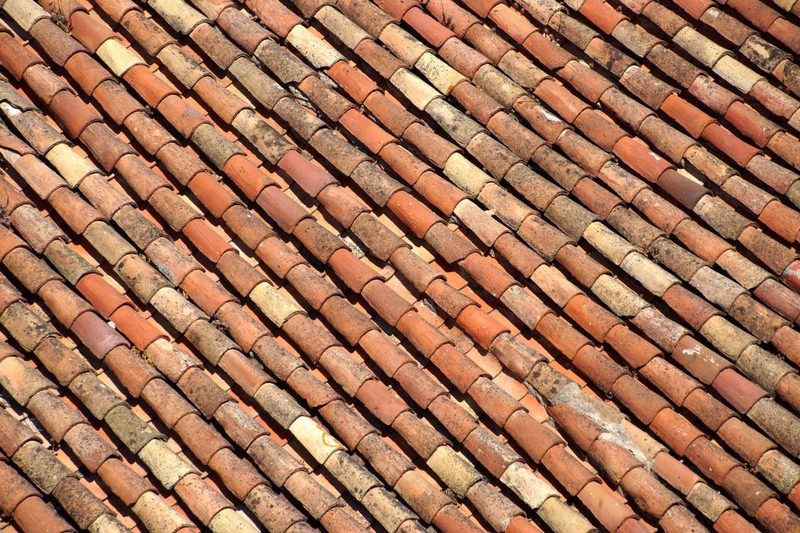
The interwar semis in Rodbourne Cheney, Gorse Hill and along the older parts of Stratton St Margaret were mostly roofed in clay plain tiles or early clay interlocking tiles. Clay is durable. Machine-made plain tiles from the 1930s have a lifespan of 60 to 100 years and many are still sound.
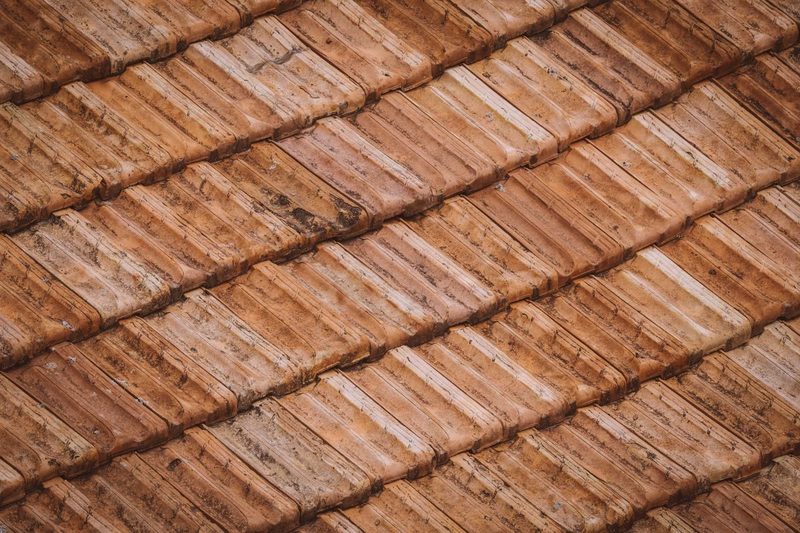
The problems on these roofs are at the details. The tiles were hung on nibs over battens with only every fourth or fifth course nailed, so wind lifts them. The original bitumen felt, where any was fitted at all, has turned to dust and no longer sheds the water that gets past the tiles. Clay tiles also suffer from frost. A tile that has become porous with age absorbs water, freezes in a cold snap and spalls, shedding its face in flakes. Swindon sits on the edge of the Marlborough Downs and gets 40 to 55 air frosts a year, more than the Thames Valley towns to the east, and after 90 winters a good proportion of 1930s clay tiles have started to delaminate.
A 1930s clay roof in Swindon is usually good for another 10 to 20 years with maintenance, and then due for stripping and relaying with new clay tiles at £8,000 to £13,000 for a three-bed semi. Reclaimed clay tiles are an option at lower cost, but the frost damage that killed the originals has usually done the same to any reclaimed stock from the same era.
1950s to 1980s Estates: Concrete Tiles at the End of Their First Life
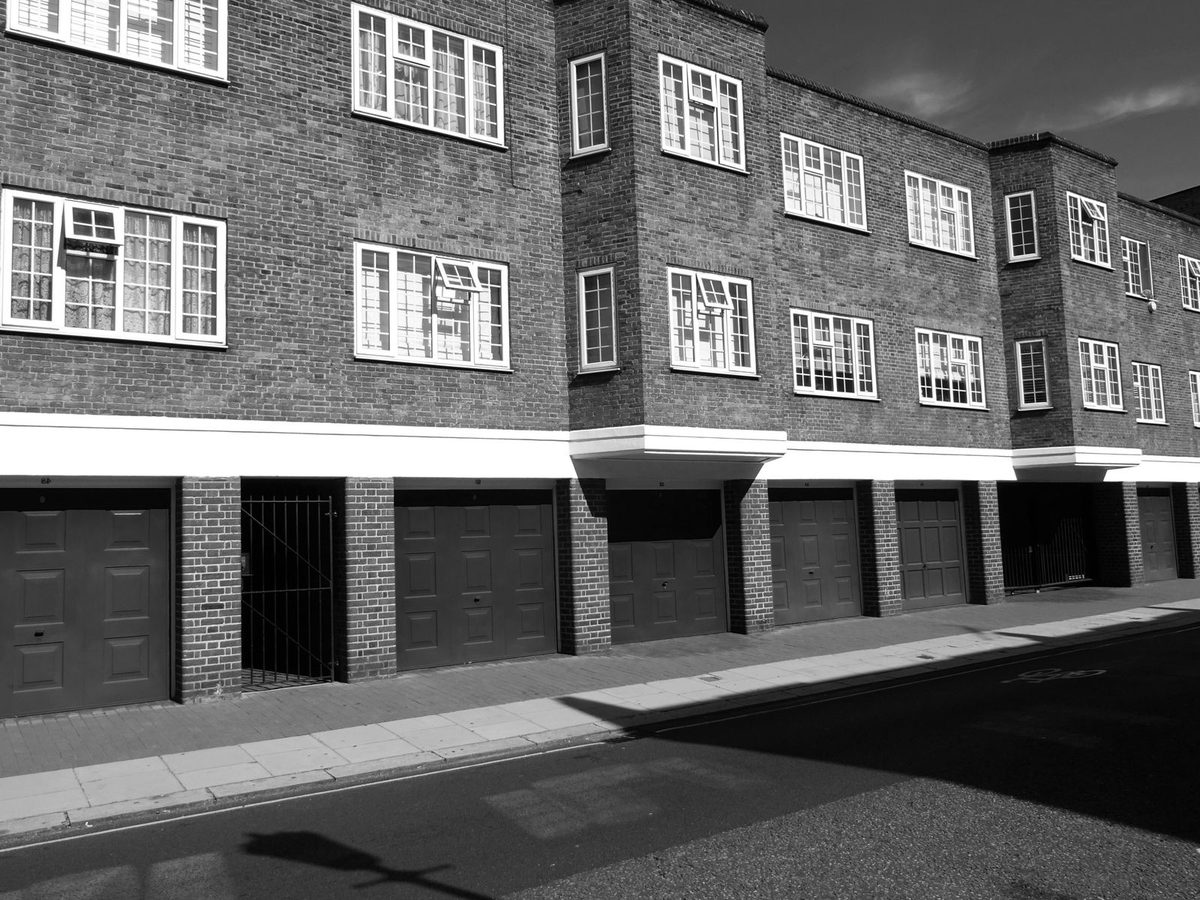
This is where most of Swindon lives, and it is where most of the town's roof replacement work will happen over the next fifteen years. Concrete interlocking tiles, the Redland and Marley double Romans and similar profiles that cover Walcot, Park North and South, Toothill, Freshbrook, Eldene and Liden, were sold with a life expectancy of around 50 years. The earliest are now 70. The latest are 40.
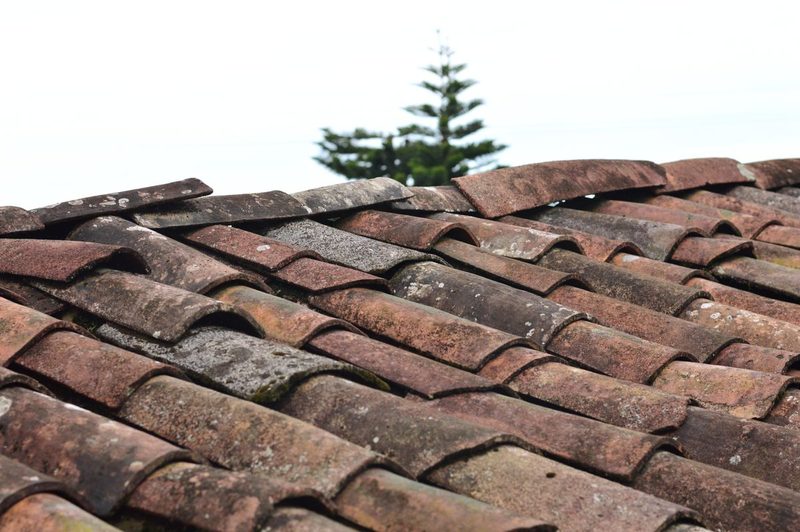
Concrete tiles fail in a distinctive way. The surface coating wears off in the first 20 to 30 years, which is why so many Swindon estate roofs look pale and chalky. The tile then becomes porous, absorbs water, gets heavier, and grows moss. Moss roots into the surface and holds water against it, and the freeze-thaw cycle does the rest. By 50 years the tiles are often intact but the roof underneath is not: the original sarking felt has perished and cracked, the battens have rotted where the felt failed, and the roof relies entirely on the tiles staying watertight, which they no longer are.
The tell is in the loft. Daylight visible at the eaves through torn felt, damp staining on the rafters, and felt that crumbles when touched all mean the roof is living on borrowed time. A 1970s concrete tile roof on a Swindon estate semi is due for replacement now or within ten years, and a full strip and retile with new concrete tiles and breathable membrane costs £6,500 to £10,000. The good news is that these are simple, low-pitched roofs on standard trusses, which makes them the cheapest era of Swindon roof to replace.
Why Swindon's Wet Winters Speed This Up
Swindon's rainfall is modest, around 700mm a year, but the town's winters have been getting wetter and the westerly storms coming across the downs hit the west-facing slopes of the 1970s estates hard. We looked at the weather side in more detail in our guide to the checks to make on a Swindon roof before installing solar panels, which matters here because an estate roof at 45 years old should not have panels bolted to it until the tiles and felt have been replaced. Putting a 25-year solar array on a roof with ten years left is a common and expensive mistake on Swindon's estates.
1990s to 2020s New-Builds: Younger Roofs, Different Weaknesses
Swindon's newer estates, from the 1990s developments around Abbey Meads and St Andrews Ridge to the 2010s and 2020s building at Wichelstowe, Tadpole Garden Village and the eastern villages, have roofs that should last 50 to 60 years. Concrete tiles are better made than in the 1970s, breathable membranes replace bitumen felt, and dry-fixed verges and ridges have replaced mortar.
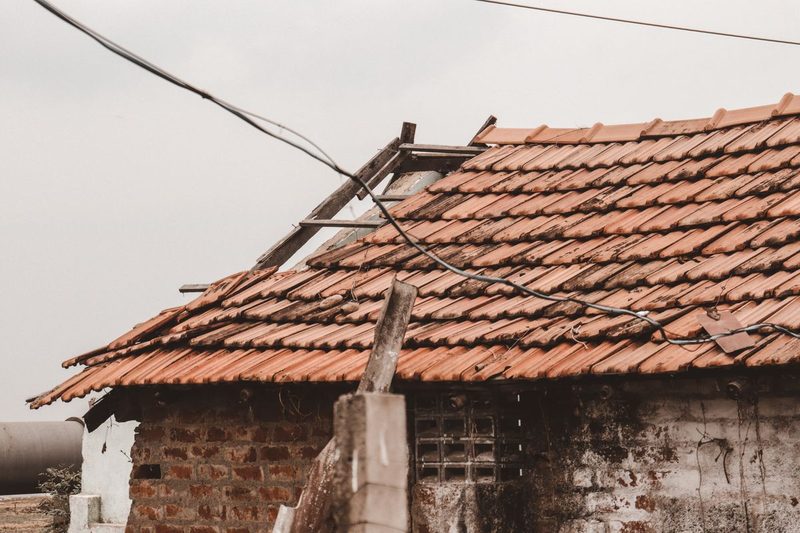
Their weakness is workmanship rather than materials. Dry verge clips not engaged, tiles under-nailed on exposed sites like the edge of Wichelstowe, flashings dressed too short, and eaves ventilation blocked by insulation. These show up in the first five years and are cheap to fix at £150 to £500 a time, and in the first two years are the builder's responsibility under the warranty. A 1990s roof in Swindon should be sound for another 20 to 30 years with a check every five years.
Reading the Signs Your Swindon Roof Is Near the End
Across all eras the same signals apply, and the National Federation of Roofing Contractors' guidance for homeowners covers what a competent survey should look for. From the ground: a wavy or sagging ridge, more than a handful of slipped or missing tiles, moss thick enough to see from the street, and daylight through the eaves. In the loft: perished or torn felt, damp rafters, and any sign of rot in the battens. On the bill: a roof needing a repair every year or two is telling you something.
The rule of thumb roofers use is that if repairs over the last three years add up to more than 15% of the cost of a replacement, replacement is the better spend. For a Swindon estate semi that is about £1,000 to £1,500 in repairs, which on a 50-year-old concrete tile roof is easily reached.
What Replacement Costs in Swindon in 2026
A full strip and retile, including new breathable membrane, battens, dry verge and ridge, and scaffolding:
- 1970s estate semi, concrete interlocking tiles: £6,500 to £10,000
- 1930s semi, new clay plain tiles: £8,000 to £13,000
- Railway Village cottage, reslated in reclaimed Welsh slate: £9,000 to £15,000
- Detached four-bed, any material: £11,000 to £18,000
Swindon's roofing trade is busy but not short. The town has a good supply of general roofers, most of whom know the estate concrete-tile roofs intimately, and a smaller number who are comfortable with slate and conservation work. Lead times run three to six weeks in summer and longer after autumn storms. Expect a survey before any quote, and expect the roofer to go in the loft. Anyone who prices a replacement from the pavement is guessing.
Frequently Asked Questions
How long does a concrete tile roof last in Swindon?
Around 50 years, which means most of the 1960s to 1980s estate roofs in Walcot, Park, Toothill and Freshbrook are at or past the end of their life. The tiles often outlast the felt and battens beneath them, so a roof can look sound from the street and be failing underneath.
How long does a slate roof last?
Welsh slate lasts 100 to 150 years, and many Railway Village and Old Town roofs are still on original slates. The nails, battens and lead usually fail first, at which point the roof is stripped and relaid, often reusing the original slates.
What are the signs a roof needs replacing rather than repairing?
A sagging ridge, repeated slipped tiles, perished or torn felt visible in the loft, damp rafters, heavy moss, and repair bills over the last three years adding up to more than 15% of a replacement cost. Any two of these together usually mean replacement is the better spend.
How much does a new roof cost in Swindon in 2026?
A full strip and retile on a three-bed semi costs £6,500 to £10,000 with concrete tiles, £8,000 to £13,000 with clay, and £9,000 to £15,000 in reclaimed slate for a conservation area property. Detached four-bed houses run £11,000 to £18,000.
Ready to work with Roof Repairs Swindon?
Let's connect! We’re here to help.
Send us a message and we’ll be in touch.
Or give us a call today at 01793 939231
Agency Contact Form
More Marketing Tips, Tricks & Tools