Chimney Removal Cost in Swindon: When It's Cheaper to Take It Down Than Repair It
A chimney stack that has stopped earning its keep is one of the most expensive things a Swindon homeowner can leave alone. Repointing a stack costs £460 to £940 around here, a full rebuild runs £2,500 to £5,000 or more, and neither fixes a stack nobody uses for anything except pigeons and cold air. Roughly two in three UK homes with a chimney no longer burn anything in the grate it serves, yet the stack still sheds heat, holds water, and needs the same flashing and pointing as one that is doing real work. On a lot of Swindon's 1970s and 80s estate housing, where the mortar was never built for 45 years of downland wind, that maintenance bill keeps coming whether the fireplace is used or not. Removal is not the right answer for every stack. But for a growing number of homes, it is the sum that actually adds up.
When a Chimney Stops Being Worth Repairing
A stack earns its keep when it is structurally sound, weathering well, and either in active use or actually part of the character of the house. Plenty of Swindon chimneys fail all three tests at once.

The warning signs are consistent. Cracked or leaning brickwork above the roofline. A chimney that needs repointing every four or five years instead of the fifteen to twenty a sound stack should manage. Damp patches on a bedroom ceiling that track back to the flashing. A fireplace that has not held a fire since the gas fire went in during the 1990s. Any one of these on its own might justify a repair. Two or three together, on a stack nobody actually needs, usually points the other way.
Get a second opinion before committing to either route. Roof Repairs Swindon surveys chimneys across the town and its villages and will say plainly whether repair or removal is the better spend, rather than defaulting to whichever job is more profitable to quote.
What Chimney Removal Actually Costs in Swindon
Removal comes in three distinct forms, and the price gap between them is large enough to change the decision on its own.
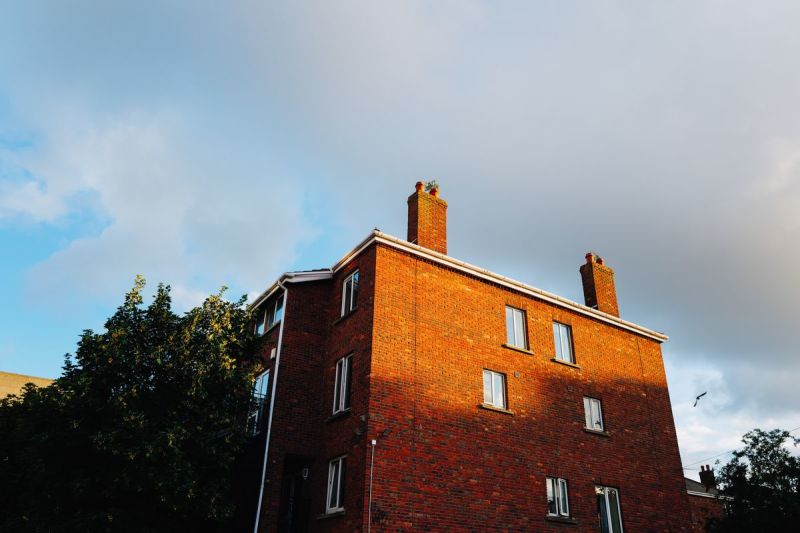
Removing the stack down to roof level - taking away everything above the tiles while leaving the chimney breasts inside the house untouched - typically costs £1,200 to £2,500 in Swindon, including scaffolding, capping the flue, re-tiling the opening, and making good the roof space. This is the option most people choose, because it removes the maintenance liability without touching the internal structure.
Full removal, taking the stack out from the roofline all the way down through every floor, including the internal breasts, runs £3,000 to £6,000 depending on how many storeys it passes through and whether steel support beams (RSJs) are needed to carry the load the breast used to take. That structural work is the main cost driver, not the demolition itself.
A partial internal removal - taking out a breast on one floor only, such as an unused bedroom fireplace, while leaving the stack above intact - sits at £1,500 to £3,000 per floor for the same reason: the steelwork, not the bricks, is where the money goes.
For comparison, simply capping an unused flue and leaving the stack in place, with a vented cowl to stop damp building up inside, costs £150 to £400. Rule this out first. It solves the damp and heat-loss problem for a fraction of removal cost if the stack itself is otherwise sound.
Removal vs Repair: Doing the Sums
The decision usually comes down to one question: is this stack going to need repointing or rebuilding again inside the next ten years, and if so, does removal cost less than two repair cycles?
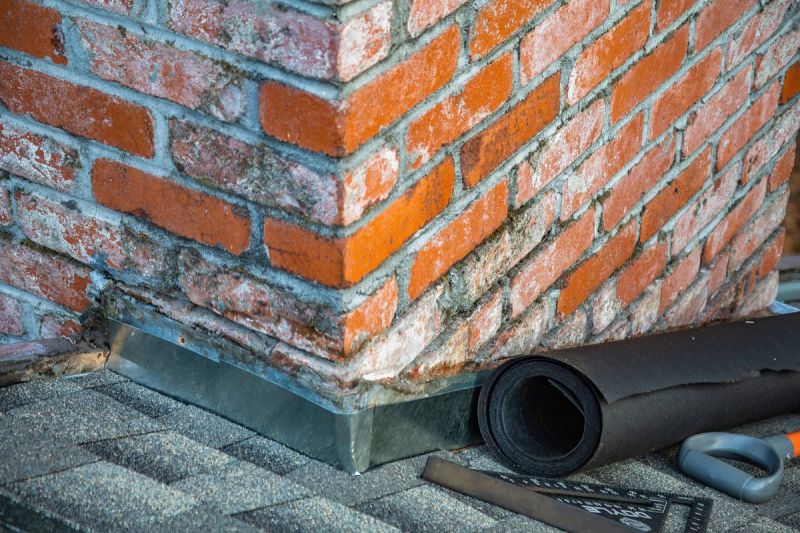
A stack needing a full rebuild now, at £2,500 to £5,000, and likely to need at least repointing again within fifteen years at £460 to £940, has cost its owner £3,000 to £6,000 or more by the time it is done - for a feature that may never hold a fire again. Removing it to roof level for £1,200 to £2,500 is frequently the cheaper choice over a ten to fifteen year horizon, before even counting the ongoing heat loss an open, unused flue causes. A capped, unused chimney can account for a noticeable share of a home's heat loss through the roof, since warm air rises straight up an open flue exactly as it is designed to do for smoke.
The maths tips the other way when the stack is structurally sound, the pointing is recent, or the fireplace is still used regularly for a wood burner or open fire. In that case repair, not removal, protects a feature that is actively earning its place.
Related Reading: Chimney Repairs in Swindon
If your chimney is still sound and simply needs attention rather than removal, our guide to chimney repairs in Swindon covers the most common faults - cracked pots, failed flashing, and perished pointing - and what each one costs to put right, so you can weigh it directly against the removal costs above.
Planning Permission and Building Regulations
Most chimney removal in Swindon does not need planning permission. Removing a stack, in whole or in part, is normally treated as permitted development on an ordinary house, provided the property is not listed and not in a conservation area.
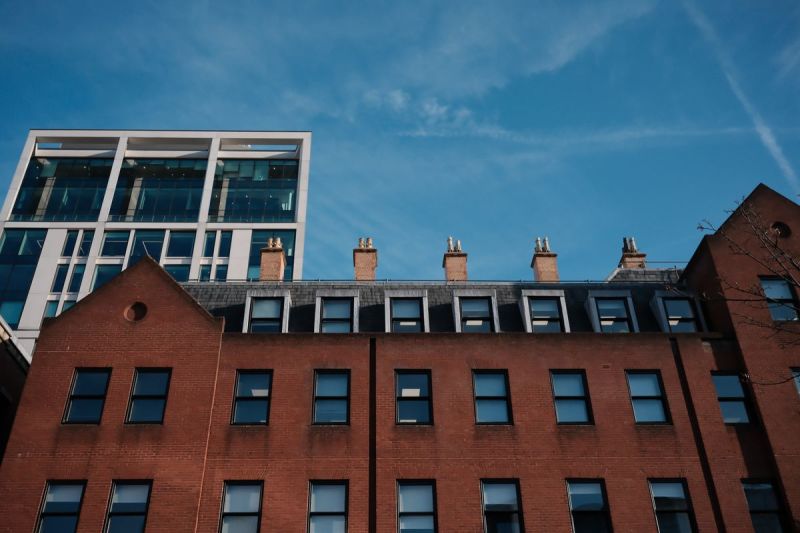
That second condition matters more locally than people expect. Parts of Old Town and several village conservation areas around Swindon restrict changes to a roofline, including chimney removal, and consent is required before work starts. Check with Swindon Borough Council's planning department, or get your contractor to check on your behalf, before any scaffolding goes up. The government's own guidance on permitted development rights sets out the general position and the conservation area exceptions in more detail.
Building regulations are a separate matter and apply regardless of planning status. Removing a chimney breast, especially anything below roof level, is structural work under Part A of the building regulations, because the breast may be carrying load from the floors or roof above. A building control notice, or a registered structural engineer's sign-off where steelwork is involved, is required. Skipping this step is a common and expensive mistake - mortgage lenders and buyers' solicitors routinely ask for the completion certificate when a house with a removed chimney breast is later sold, and its absence can hold up or kill a sale.
If your house is semi-detached or terraced and the chimney breast is shared with a neighbour, the Party Wall etc. Act 1996 will usually apply too, requiring formal notice to the neighbour before work starts even where no permission is needed from the council.
What Happens to the Roof Once the Stack Comes Down
Taking a chimney down to roof level leaves a hole that needs proper weatherproofing, and this is where a rushed job causes problems for years afterwards.

The opening is boarded, felted, and re-tiled to match the surrounding roof as closely as possible, with new lead flashing or a purpose-made upstand where the patch meets the existing covering. On an older Swindon roof, matching tiles exactly is not always possible if the original profile is discontinued, so a good contractor will source a close match or take tiles from a less visible slope and use new ones there instead. Budget £400 to £900 for this part of the job on top of the removal price, more if scaffolding access makes it awkward.
Inside, the loft space needs checking too. An old chimney stack often has a void around it in the loft insulation, and removing the stack is a good moment to top up insulation across the whole roof space while the access is already there, typically £350 to £600 for a semi-detached loft.
Removing a Chimney That's Still Technically in Use
Before committing to removal, confirm the flue is actually redundant. A chimney can look unused while still being connected to a gas fire, a boiler flue, or ventilation for an appliance elsewhere in the house, and removing it without checking first can leave a gas appliance with nowhere for combustion gases to go.

Where a solid fuel stove or open fire is still connected, HETAS guidance on solid fuel heating sets out the safety checks needed before any work on the flue, and a qualified engineer should confirm the appliance is disconnected and made safe before removal starts. This is not a step to skip to save a call-out fee - a live flue connected to nothing is a carbon monoxide risk in the room it used to vent from.
Choosing a Contractor for Chimney Removal in Swindon
Chimney removal sits across two trades - roofing for the external work, and structural or building work for anything involving RSJs below roof level - and the contractor needs to be competent in both, or you need two separate firms working to one plan.
Ask for evidence of public liability insurance of at least £2 million, and for roofing work specifically, membership of a vetted body such as the National Federation of Roofing Contractors is a useful filter, since members are audited rather than simply self-declared. For any job involving steel beams, ask to see the structural engineer's calculations, not just the contractor's assurance that "it'll be fine". This is the one part of chimney removal where a mistake is dangerous, not just expensive.
Get at least two quotes, and be wary of anyone willing to quote a full internal removal with steelwork over the phone without inspecting the loft, the roof, and the floors the breast passes through. Swindon has a healthy supply of roofers, but fewer are confident with the structural side of a full removal, and that shortage shows up as a wider price spread on quotes for full removal than for roofline-only work.
Frequently Asked Questions
How much does it cost to remove a chimney in Swindon?
Removing a stack to roof level, the most common option, costs £1,200 to £2,500 including scaffolding and re-tiling. Full removal through every floor, including internal breasts and any steel support needed, runs £3,000 to £6,000. Capping an unused flue without removing it is £150 to £400.
Do I need planning permission to remove a chimney?
Usually not, if the property is not listed and not in a conservation area. Parts of Old Town and several surrounding villages do have conservation area restrictions on rooflines, so check with Swindon Borough Council before work starts. Building regulations approval is separate and always required for structural work below roof level.
Is it cheaper to remove a chimney or repair it?
It depends on the stack's condition and whether it is still used. A stack needing a full rebuild now and likely to need repointing again within fifteen years can cost £3,000 to £6,000 in repairs over that period, against £1,200 to £2,500 to remove it to roof level once. A sound stack in regular use for a fire or stove is usually better repaired than removed.
Can I remove a chimney breast myself?
No. Chimney breasts are frequently load-bearing, and removing one without proper structural support (usually a steel RSJ) risks serious structural failure. This work requires building regulations sign-off and, in most cases, a structural engineer's calculations. It is not a DIY project.
Ready to work with Roof Repairs Swindon?
Let's connect! We’re here to help.
Send us a message and we’ll be in touch.
Or give us a call today at 01793 939231
Agency Contact Form
More Marketing Tips, Tricks & Tools