New Build Roof Problems in Swindon: Common Snags, Your Warranty and Who Pays
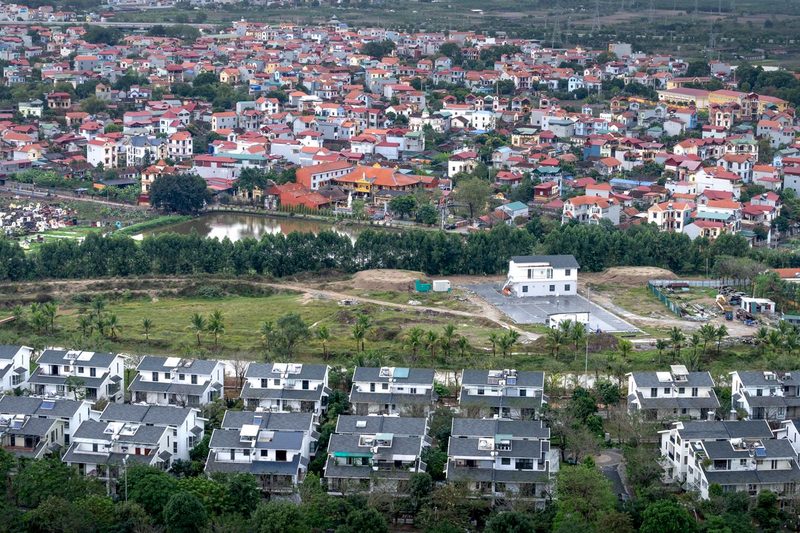
New build roof problems in Swindon tend to show up in the same few places, and usually within the first couple of winters. Swindon has been one of the fastest-growing towns in the south of England for 20 years, with thousands of homes going up at Wichelstowe, Badbury Park, Tadpole Garden Village and the New Eastern Villages, where around 8,000 homes are planned. Roofs on big estates go on fast, often by subcontract gangs paid per plot, and the faults that slip through are surprisingly consistent: dry verge caps that rattle loose, ridge tiles without their clips, lead that's been cut short, and loft vents that were never opened up. Swindon gets roughly 700-750mm of rain a year, well under the UK average of about 1,160mm, so a defect can sit quietly for a year or more before a windy wet spell finds it. This guide covers the common snags, what your warranty actually does in years 1-2 versus 3-10, how to escalate, and what it costs if you end up paying.
Why New Build Roof Problems in Swindon Follow a Pattern
Most new estates around Swindon sit on the edges of town, on open, higher ground. Wichelstowe runs out towards the M4, Badbury Park sits on the eastern side near Coate, and Tadpole Garden Village is up on the northern fringe. Exposed plots catch more of the prevailing south-westerly wind than a sheltered Victorian street in Old Town, and wind is what tests a roof's fixings.
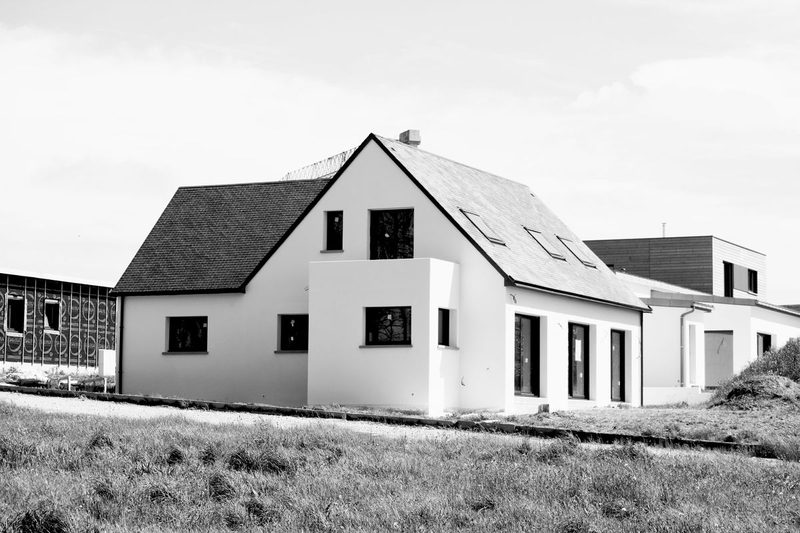
The building pace matters too. A large site might be completing 100-200 homes a year, and the roofing is usually a separate trade package. Industry snagging firms regularly report finding somewhere between 100 and 150 defects per new home on average, and while most are cosmetic, a handful are almost always on or under the roof. Swindon's local roofing trade is busy enough that independent roofers aren't hard to find, but very few of the men who built your roof live locally or will ever see it again.
If you've spotted something on your own roof and want an honest opinion before you go back to the developer, the team at Roof Repairs Swindon can take a look and tell you whether it's a genuine defect.
Loose Dry Verge Caps and Missing Ridge Clips
Dry verge is the plastic capping that runs down the gable end of the roof. On new builds it's everywhere, and when it isn't clipped to the batten ends properly, individual caps work loose and drop into gardens. After Storm Eunice in February 2022, roofers across Wiltshire spent weeks refixing verge caps on homes that were barely five years old.
Ridge tiles are the other one. Since BS 5534 was revised in 2014, ridge and hip tiles have to be mechanically fixed, not held on by mortar alone. On a dry ridge system that means a clip or screw at every tile, plus a union clip at each joint. It's very common to find 2 or 3 missing on a 10-metre ridge. You won't see it from the pavement until a tile lifts.
How to spot them from the ground
- Gaps or a stepped line along the gable edge where a verge cap has slid down
- Caps or end pieces lying in the garden or on a flat garage roof
- A ridge line that looks wavy rather than straight
- Rattling or tapping noises in the loft during high wind
Poorly Dressed Lead Around Chimneys, Dormers and Abutments
Most Swindon new builds don't have chimneys, but many have lead where a roof meets a wall: over a bay window, a porch, a garage attached to the house, or a dormer on a three-storey townhouse. Lead flashing needs to be tucked at least 25mm into the mortar joint, wedged, and sealed, and laid in lengths of no more than about 1.5 metres so it can expand and contract without cracking.
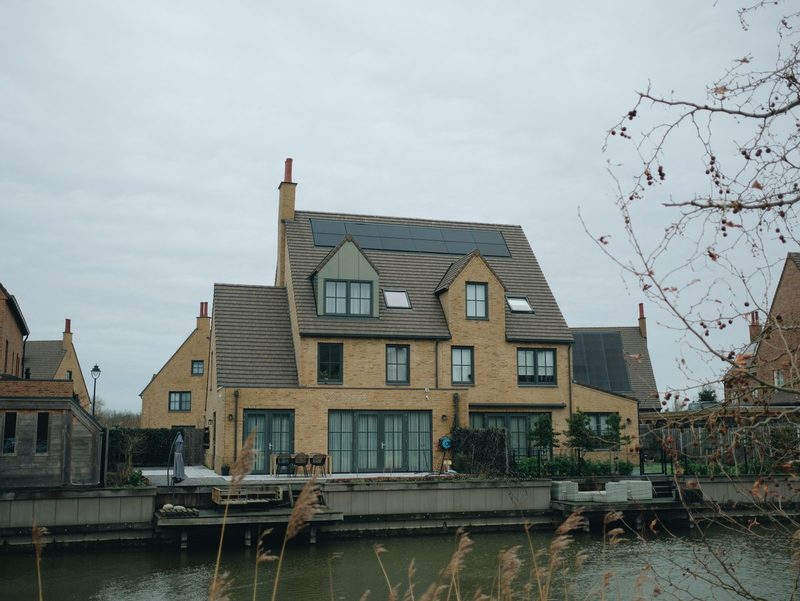
What turns up on snagging inspections is lead cut too short, lengths that are too long and already lifting, gaps where the step flashing doesn't overlap, and joints sealed with a smear of silicone instead of being chased into the brickwork. Water tracks down the wall and comes out as a damp patch on an inside wall, often in a bedroom over the garage. The leak might only show in driving rain, which in Swindon means a handful of days each winter.
Blocked Ventilation, Sagging Underlay and Gaps in the Loft Insulation
Modern roofs use breathable membranes and lots of insulation, which makes the loft colder and more prone to condensation if the air can't move. Building regulations set ventilation requirements in Approved Document F on ventilation, and a roof is designed to vent at the eaves, the ridge or both. Common faults on new homes include insulation pushed hard into the eaves so the soffit vents are blocked, eaves trays missing, and ridge vents fitted without the membrane being cut back underneath.

The symptom is usually condensation: droplets on the underside of the membrane, damp timbers or black mould on the roof boards by your first or second February. Underlay that hasn't been pulled taut, or has been stretched too far, sags between rafters and can hold water against the batten.
Then there's the insulation itself. Current standards expect around 270-300mm of mineral wool in a cold loft, laid in two layers crossing each other. Gaps where an electrician lifted it to run cables, or where the loft hatch area was never finished, are very common. A 5% gap in insulation can lose a disproportionate amount of heat, because warm air finds the hole.
The 2-Year Builder Period vs Years 3-10 of Your Warranty
Most new build homes in Swindon come with a 10-year warranty from NHBC, Premier Guarantee, LABC Warranty or a similar provider. The detail matters, because the cover changes a lot after year two.
Years 1-2: the developer has to fix it
For the first two years, the builder is responsible for putting right defects that breach the warranty provider's technical standards. That covers almost everything on this page: loose verges, missing clips, bad lead, blocked vents and gappy insulation. The warranty provider sits behind them, and NHBC, for example, offers a resolution service if you and the builder can't agree. Its homeowner guidance on Buildmark cover explains what the builder must do in this period.
Years 3-10: much narrower cover
From year three, the builder normally drops out and the warranty becomes an insurance policy. It mainly covers physical damage caused by defects in specific parts of the home, typically the structure, and in many policies the roof structure and roof covering. Wear and tear, condensation and minor faults are often excluded, and there's usually a minimum claim value. A loose verge cap in year four may well cost you less to fix than the excess. We've gone through the fine print in our guide to roofing warranties and guarantees in Swindon, including the gap between a developer warranty and a roofer's own guarantee.
The practical point is simple. Get your roof looked at properly before your second anniversary, ideally in months 18-22, so any snags are logged while the builder still has to fix them.
How to Report Roof Snags and Escalate If the Builder Stalls
Report everything in writing, with photos, dates and the plot number. Ring the site office if you like, but follow it up by email so there's a record. Most developers registered with the New Homes Quality Board have to acknowledge a complaint and give a final response within a set period, which is currently 56 calendar days under the New Homes Quality Code.
If the builder doesn't fix it, or you don't accept their answer, the next steps, in order, are:
- Raise a formal complaint with the developer's customer care team, quoting the Code if they're a registered developer.
- Wait for the final response or for 56 days to pass.
- Take it to the New Homes Ombudsman Service, which is free for buyers and can order the developer to carry out work or pay compensation. Complaints generally have to be made within the first two years after completion.
- If your builder isn't covered by the Code, use the warranty provider's own dispute resolution service instead.
Keep a simple log. Builders on large sites can have dozens of open snags at once, and the homeowners who get things fixed quickly tend to be the ones with tidy paperwork.
When an Independent Roofer's Report Helps
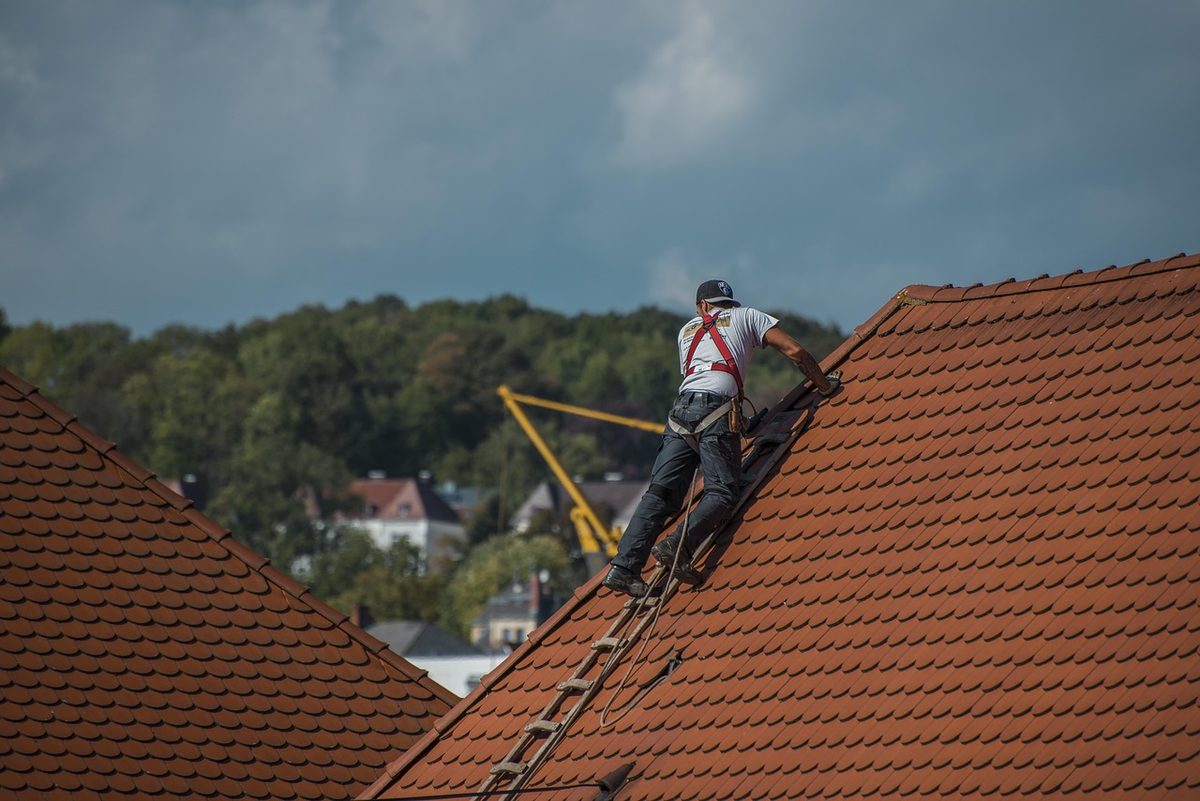
A builder will usually send their own subcontractor to look, and it's not unusual to be told the roof is "fine" from a ladder. An independent report gives you something specific to push back with: photos from the roof itself, notes on which standard a fault breaches, and a clear list of what needs doing.
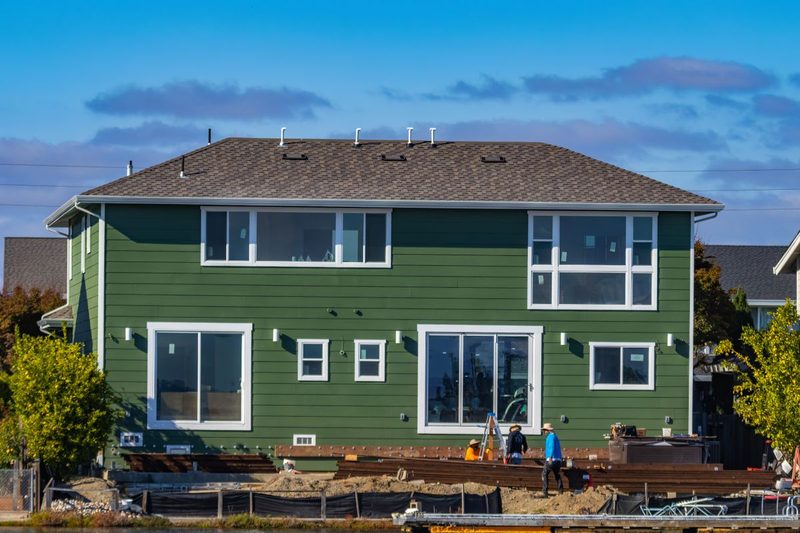
It's most worth paying for in three situations. First, before the 2-year cut-off, as a final snag sweep. Second, when the builder has already been out and you don't believe the fix worked. Third, when you're selling a home that's still in warranty, because a buyer's surveyor will often flag verge and ridge issues and it's better to have them sorted first. Roofers who know new build specs will also check the loft for condensation and insulation gaps, which a pavement-level survey can't see.
What New Build Roof Repairs Cost in Swindon in 2026
If you're past year two, or the fault falls outside your warranty, these are typical Swindon prices for 2026. Access is the big variable: a three-storey townhouse on a tight Wichelstowe street might need a tower or cherry picker, where a two-storey semi on an open Badbury Park plot can be reached with ladders.
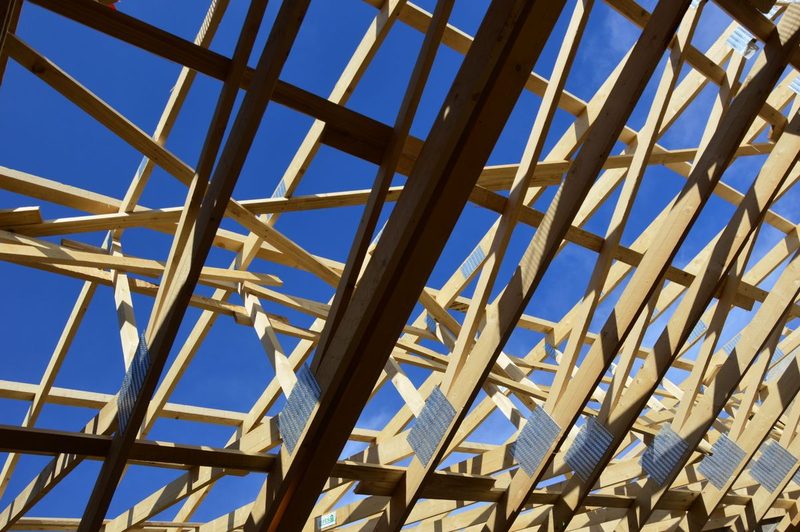
- Independent roof inspection with photos and a written report: £150-£350
- Drone roof survey: £150-£250
- Refixing or replacing loose dry verge caps on one gable: £150-£400
- Fitting missing ridge clips and union clips: £200-£500
- Re-dressing or replacing a short run of lead flashing: £200-£550
- Clearing blocked eaves and fitting eaves trays or tile vents: £250-£600
- Topping up and closing gaps in loft insulation: £150-£400
- Partial strip to re-lay sagging underlay: £800-£2,500
Most of these are half-day jobs. Underlay is the exception, because tiles and battens have to come off, and that's where a warranty claim is worth fighting for if you're still inside the window.
Frequently Asked Questions About New Build Roof Problems in Swindon
What are the most common new build roof problems in Swindon?
Loose dry verge caps, missing ridge clips, short or poorly sealed lead flashing, blocked eaves ventilation, sagging underlay and gaps in the loft insulation. Most show up within the first two winters, especially on exposed estates on the edge of town.
Will the builder fix my roof after two years?
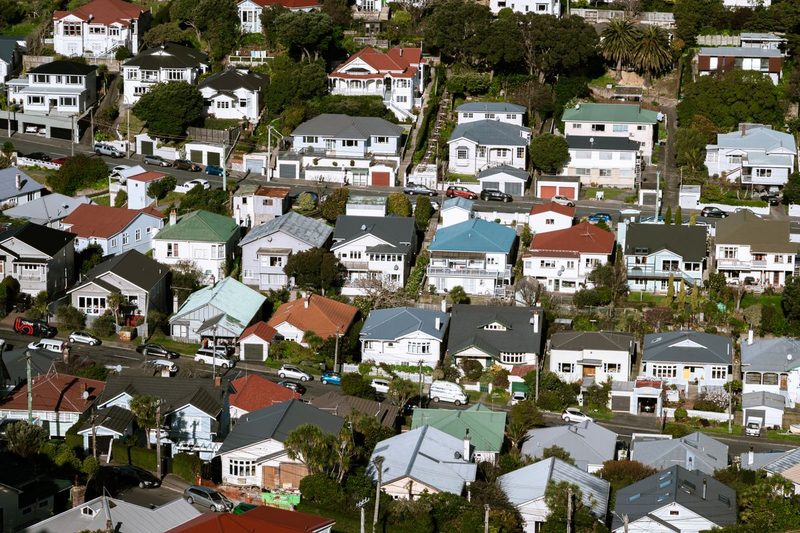
Usually not directly. After year two, most warranties switch to insurance cover for specific types of physical damage, often with exclusions for wear and tear and condensation and a minimum claim value. It's best to log roof snags before your second anniversary.
How do I complain about a new build roof defect?
Put it in writing to the developer with photos and dates. If they're registered with the New Homes Quality Board, they must give a final response within 56 days. If you're still unhappy, you can take it to the New Homes Ombudsman Service, which is free for buyers.
How much does an independent new build roof inspection cost in Swindon?
Expect £150-£350 in 2026 for a roofer to inspect from the roof and loft and give you a written report with photos. A drone survey alone is usually £150-£250.
Ready to work with Roof Repairs Swindon?
Let's connect! We’re here to help.
Send us a message and we’ll be in touch.
Or give us a call today at 01793 939231
Agency Contact Form
More Marketing Tips, Tricks & Tools