Winter Roof Repairs in Swindon: What Can Be Done in Cold, Wet Weather (2026)
Winter roof repairs in Swindon are mostly possible. The catch is that some jobs can go ahead in January and some really shouldn't, and the gap between those two lists is where homeowners lose money. Swindon gets roughly 700-750mm of rain a year, well under the UK average of about 1,160mm, but around 45-50 air frost nights and a damp clay vale that keeps rooftops wet long after the rain stops. From late November to early February there are also only 8 hours or so of usable daylight. Mid-October is the last comfortable window for mortar and flat roof work. Below we go through the main roof jobs one at a time: what can be done in winter, what should wait, and what a sensible temporary fix looks like until it can be done properly, with 2026 prices for each.
Why Winter Roof Repairs in Swindon Need a Different Plan
Temperature matters more than rain here. Swindon is drier than most of the UK, but the town sits low on Oxford and Kimmeridge clays, and those heavy soils hold water. On still mornings a roof that looks dry from the street can still be damp on the battens at 11am. Most roofing materials don't mind being wet and cold once they're installed. What they mind is being installed while it's wet and cold, because mortar, adhesives and resins all need warmth and time to cure.
The other limit is labour. Swindon's roofers are busy all year with new estates and older terraces, and the backlog builds over winter. A roofer who can start within a week in September may be quoting 3-5 weeks in December, once the first storm has gone through. If you're not sure whether your job is a winter one or a spring one, get in touch with Roof Repairs Swindon and we'll tell you honestly which list it's on.
Roughly 6 in 10 of the winter jobs we see can be fixed straight away. The rest get a temporary repair first.
Slipped Tiles and Slates: Fine Year-Round
This is the easy one. Refixing or replacing a slipped tile or slate is a mechanical job using nails, clips or a copper or stainless "tingle" strap. Nothing has to cure, so frost and drizzle don't affect the result. The only limits are a safe surface to walk on and wind under about 25-30mph.
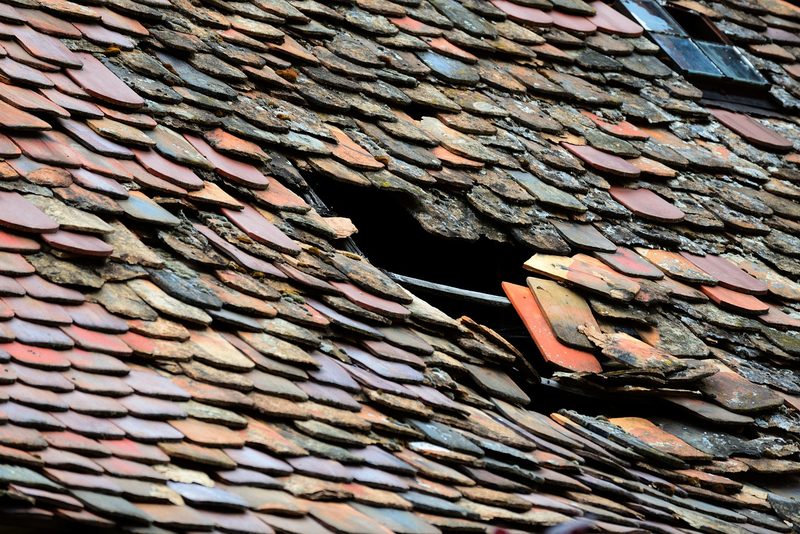
- Can do: replacing 1-5 slipped or cracked tiles or slates, refixing loose tiles, fitting tingles
- Wait: nothing, unless the roof is iced over or it's blowing a gale
- Temporary fix: rarely needed, because the permanent repair takes about as long
Typical 2026 costs in Swindon are £150-£350 for a small tile or slate repair reachable by ladder or roof ladder, or £350-£600 if a tower or short run of scaffold is needed. If you've had a ceiling stain and aren't sure a slipped tile is the cause, we've covered how to trace it in our guide to roof leak detection in Swindon, which works backwards from where the water shows up indoors.
Ridge, Hip and Pointing Work: The 5C Rule
Mortar is where winter causes real problems. Sand and cement mortar shouldn't be laid when the air is below about 5C, or below 3C and falling. Below that the water in the mix can freeze before the cement sets, expanding by about 9% and breaking the bond from the inside. You end up with a ridge that looks fine in February and starts shedding mortar by April.
What a Swindon roofer will actually do
On a mild day, which Swindon gets plenty of in a typical winter, rebedding ridge tiles or repointing a verge can go ahead if the forecast stays above 5C for at least 24-48 hours and there's no hard frost overnight. The weeks to avoid are cold snaps, when daytime highs stay at 2-4C, which happen 2-4 times most winters.
- Can do: mortar work on mild spells with a frost-free forecast
- Wait: any mortar work during a cold snap or with overnight frost forecast
- Temporary fix: a loose ridge tile can be lifted and set aside, or strapped and covered, until it warms up
Rebedding a few ridge tiles costs around £250-£500. Rebedding and repointing a full ridge on a typical semi runs about £600-£1,100, plus scaffold if needed.
Dry Fix Systems: How to Avoid the Cold Problem
Dry ridge, dry hip and dry verge systems are the main reason winter ridge work doesn't stall completely. Rather than mortar, the ridge tiles are mechanically fixed to a timber batten with screws, clips and a breathable roll that seals the joint underneath. Nothing has to cure, so the 5C rule doesn't apply.
Since the 2014 revision of BS 5534, ridge and verge tiles need a mechanical fixing anyway, so dry fix is now standard on many new roofs. In 2026 a dry ridge on a typical Swindon semi with a 9-10 metre ridge costs about £700-£1,300. Dry verge usually adds £25-£45 per metre. For a ridge that's failing in November, switching to dry fix can be the difference between fixing it this week and putting a tarp on it until March.
Dry fix isn't perfect, though. On older Swindon roofs, especially railway-era terraces with clay ridges, some homeowners prefer the look of mortar, and dry fix kits don't suit every tile profile. A roofer should tell you if yours is one of those.
Flat Roofs: Felt, EPDM and GRP Temperature Limits
With flat roofs, the material decides whether a winter job is on or off.
Torch-on felt
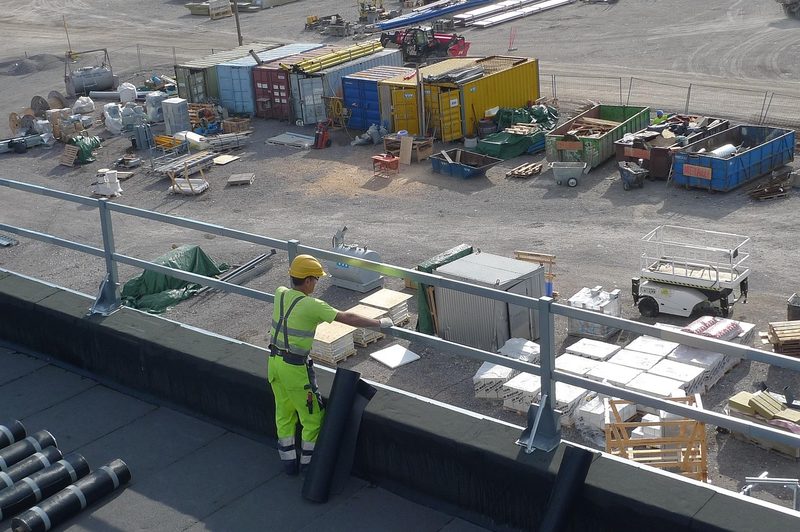
Torch-on felt is the most winter-friendly of the three, because the torch heats the bitumen to bond it. It can be laid in cold weather as long as the deck is completely dry. That's the hard part on a damp Swindon morning, when moisture trapped under new felt causes blistering within a year or two. Expect £70-£110 per square metre for a new 3-layer system, or £250-£500 for a patch repair.
EPDM rubber
EPDM membrane itself copes with cold well, but the adhesives don't. Most water-based deck adhesives need temperatures above about 5C, and contact adhesives for laps and upstands are similar. On a good winter day a small garage or extension roof can be done. In a cold week it should wait. Budget £60-£95 per square metre in 2026.
GRP fibreglass
GRP is the least flexible. The resin needs warmth and a dry deck to cure, ideally above 10C, and work generally stops below about 5C. Damp or cold leads to a tacky, weak finish. Most installers avoid new GRP from November to February. New GRP costs about £80-£120 per square metre.
- Can do: torch-on felt on dry days, small EPDM jobs on mild days, felt and EPDM patch repairs
- Wait: new GRP roofs, and larger EPDM installs during cold spells
- Temporary fix: a cold-applied bitumen patch or liquid repair coating, about £120-£250, to see you through to spring
Lead Work: Mostly a Winter Job
Lead flashings, soakers and valley linings are cut, dressed and fixed into chases, so cold doesn't stop the work. What weather does affect is the finishing. The mortar or sealant used to point the flashing into the brickwork has the same temperature limits as ridge mortar, and patination oil needs a dry surface.
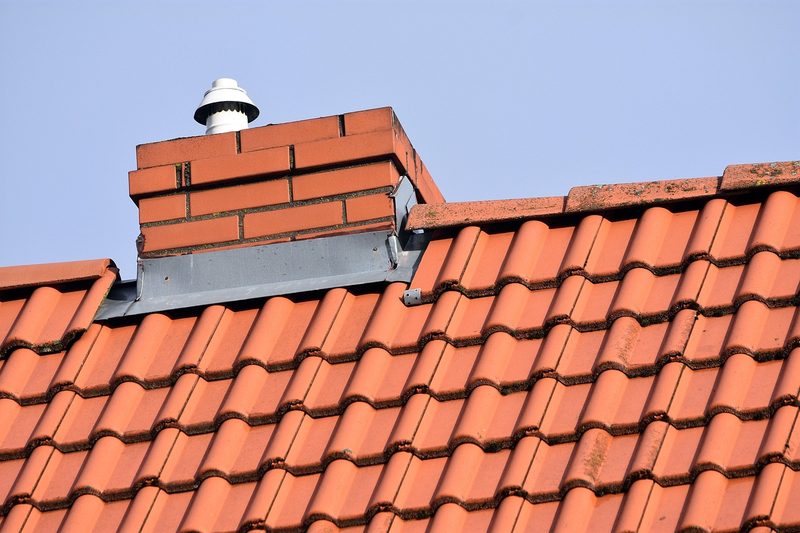
- Can do: replacing lead flashings, step flashings and soakers on most days
- Wait: pointing the chase on frosty days (lead wedges hold the flashing in the meantime)
- Temporary fix: a flashing tape, about £80-£150 fitted, if the lead is split and a full job can't be booked
Replacement chimney flashing typically costs £350-£800 in Swindon. A short run of abutment flashing on an extension runs about £250-£500.
Tarps, Temporary Repairs and When to Use Them
A temporary repair makes sense when the permanent repair can't be done for the reasons above, or when the roofer can't get to you for a fortnight. A properly fitted tarp is weighted or battened down, lapped under the course above so water runs over it, and checked after high winds. A flapping tarp in Swindon's typical 40-50mph winter gusts can lift the tiles around it.
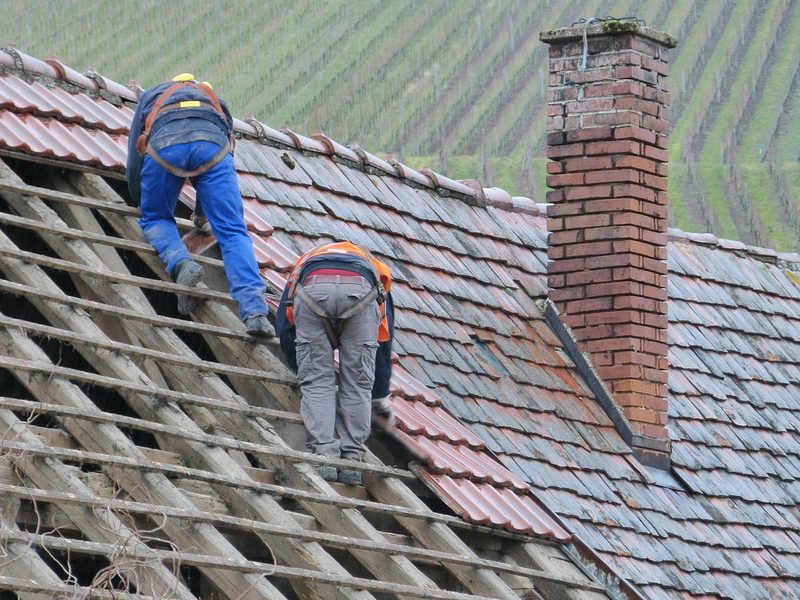
In 2026 expect £150-£350 for a tarp or temporary sheet fitted by a roofer, depending on access. Treat it as a stopgap of 4-8 weeks, not a winter-long solution.
Don't go up yourself. Wet, frosty or mossy roofs are where most domestic falls happen, and the HSE's guidance on working at height is clear that falls remain one of the biggest causes of workplace deaths. Leave the roof itself to people trained and kitted out for it.
Scaffold, Short Days and Booking Ahead
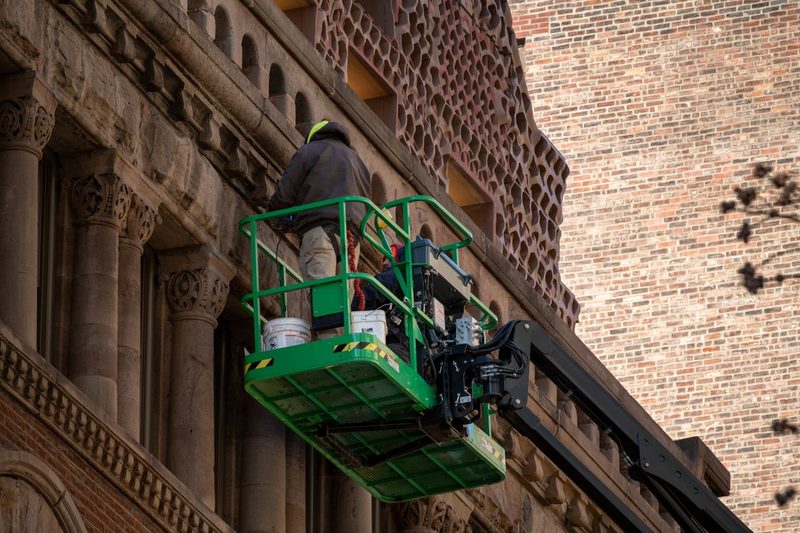
From November to January a roofer gets about 7-8 hours of light, against 14-16 in June, so a job that takes 2 days in summer can take 3 in winter. Scaffold also tends to stay up longer, because wet or windy days get lost. Most Swindon scaffold hire is priced for the first 4-8 weeks, with weekly charges after that, so a delayed job can add £50-£120 a week. A standard front elevation scaffold on a semi costs about £600-£1,000.
Our honest advice is to book now. Roofers usually have openings in October and early November before the first named storm fills the diary. If the ridge is loose or the flat roof is blistering, getting it done in the next 3-4 weeks avoids the cold-weather limits completely. The Met Office UK climate averages show how cold and wet your nearest station usually gets. When you're comparing contractors, membership of the National Federation of Roofing Contractors is a reasonable first filter.
Frequently Asked Questions About Winter Roof Repairs in Swindon
Can roofers work in the rain in Swindon?
For some jobs, yes. Slipped tiles, slates and most lead work can go ahead in light rain if the roof is safe to stand on. Mortar, felt, EPDM and GRP work should wait for a dry spell, because water stops them bonding or curing properly.
What is the minimum temperature for roof mortar work?
Around 5C, or 3C if the temperature is rising. Below that, the mix can freeze before it sets and the bond fails. Swindon roofers usually check that the forecast stays above 5C for 24-48 hours and cover fresh mortar overnight.
Is it cheaper to get roof repairs done in winter?
Not usually. Swindon prices are fairly steady all year, but winter jobs can take 30-50% longer on site because of short days and lost weather days, and scaffold may stay up longer. Booking in October or early November gives you the best chance of a quick start.
How long can a tarp stay on my roof?
A well-fitted tarp should be treated as a 4-8 week fix. It needs checking after every storm, and a permanent repair should be booked as soon as conditions allow.
Ready to work with Roof Repairs Swindon?
Let's connect! We’re here to help.
Send us a message and we’ll be in touch.
Or give us a call today at 01793 939231
Agency Contact Form
More Marketing Tips, Tricks & Tools