Roof Work on Listed Buildings and Conservation Areas in Swindon: What Needs Consent and What It Costs
Swindon has 27 conservation areas, and on some streets the paperwork for a roof job costs more than the scaffold. The Railway Village cottages were listed in 1970 and the Old Town became a conservation area in 1969, so between them they hold much of the borough's old slate and stone. A reroof that a roofer in Covingham or Abbey Meads could start on Monday may need listed building consent in Exeter Street, or planning permission on Bath Road. Listed building consent is free to apply for. A householder planning application costs £548 from April 2026. Skipping either can be a criminal offence, with no time limit on enforcement. Here's what you can do without asking, what you can't, and what doing it properly costs in 2026, based on the council's own appraisals.
Swindon Conservation Areas: Which Roofs Are Affected
Swindon Borough Council keeps a list of every conservation area in the borough, with maps and appraisals. In town the busy ones for roofers are the Railway Conservation Area, Old Town and its offshoots at Devizes Road, Prospect Place and Town Gardens, plus Rodbourne Cheney. Wroughton, Chiseldon, Highworth and Wanborough have their own.
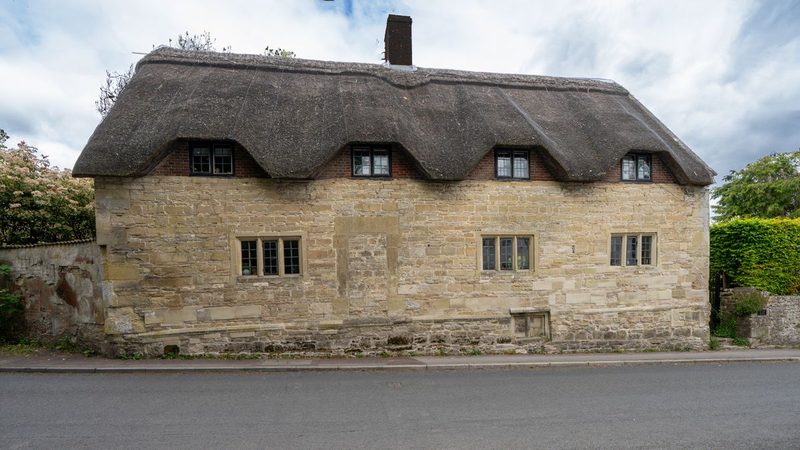
Being in a conservation area does not, on its own, stop you re-roofing. It removes some permitted development rights, dormers above all, and makes the council weigh "character and appearance" when you apply. Listing is the stricter layer. If you're unsure which applies, a local roofer who knows these streets, such as Roof Repairs Swindon, can usually tell you before you pay for drawings.
The council lists only two Article 4 directions: the Railway Village and Bishopstone. Be wary of anyone quoting one for Old Town.
Railway Village Cottages: Listed, Article 4 and Mostly Council-Owned
The GWR laid out the village between 1842 and 1847 in local Swindon stone with Bath stone detailing, and the cottages carry slate roofs. In the 1970s the council refurbished the whole estate, slate repairs included, and much of it is still council owned and managed. In 2021 the village was merged with the old railway works to form Swindon's Railway Conservation Area.
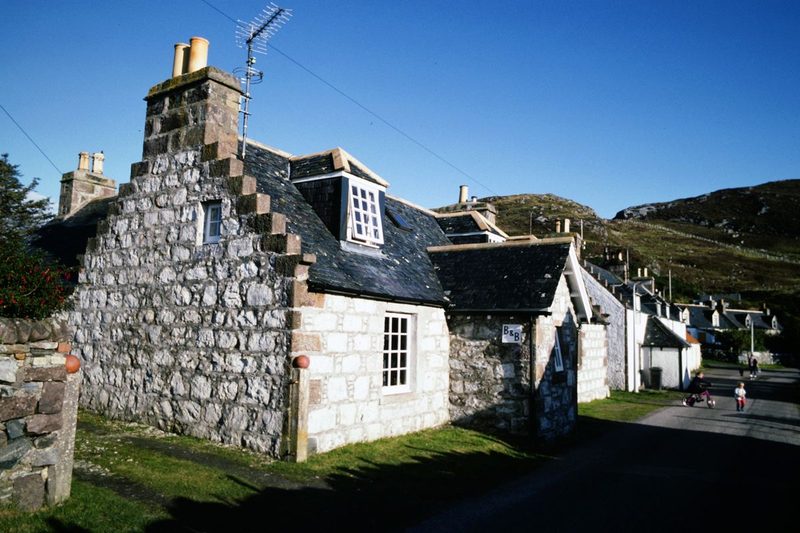
So there are three separate hurdles, and people routinely clear one and forget the others. Most cottages are Grade II listed, so any work affecting their character needs listed building consent, even where the same job would be permitted development anywhere else in town. On top of that sits the 1980 Article 4 direction covering the residential streets and Church Place, which strips out permitted development for exterior painting, alterations, porches and sheds. And if the council is your landlord or freeholder, you need its written say-so as owner too, whatever the planning position.
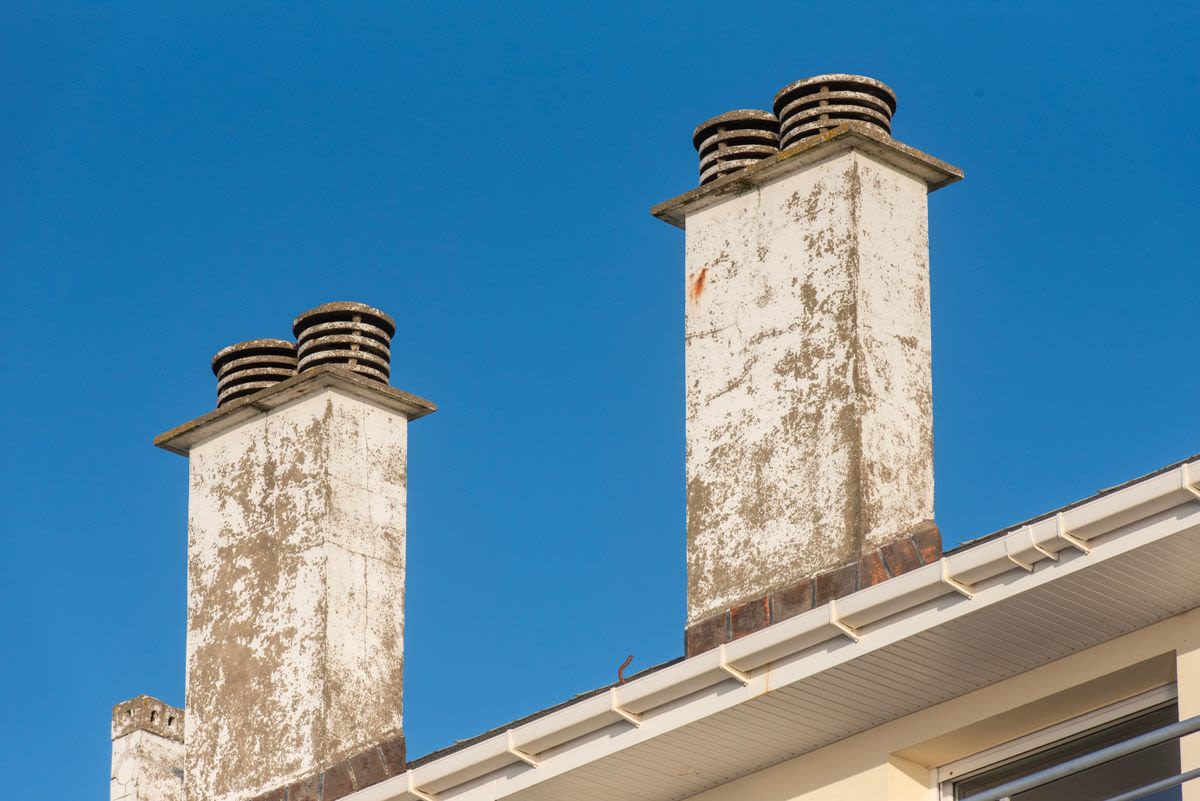
The council's current appraisal names aerials and satellite dishes on chimneys and front roof slopes as something it will resist. A dish bolted to a stack in Reading Street is exactly the sort of small job that can bring a letter from enforcement.
Old Town Roofs: Stone Slates, Welsh Slate and Clay Pots
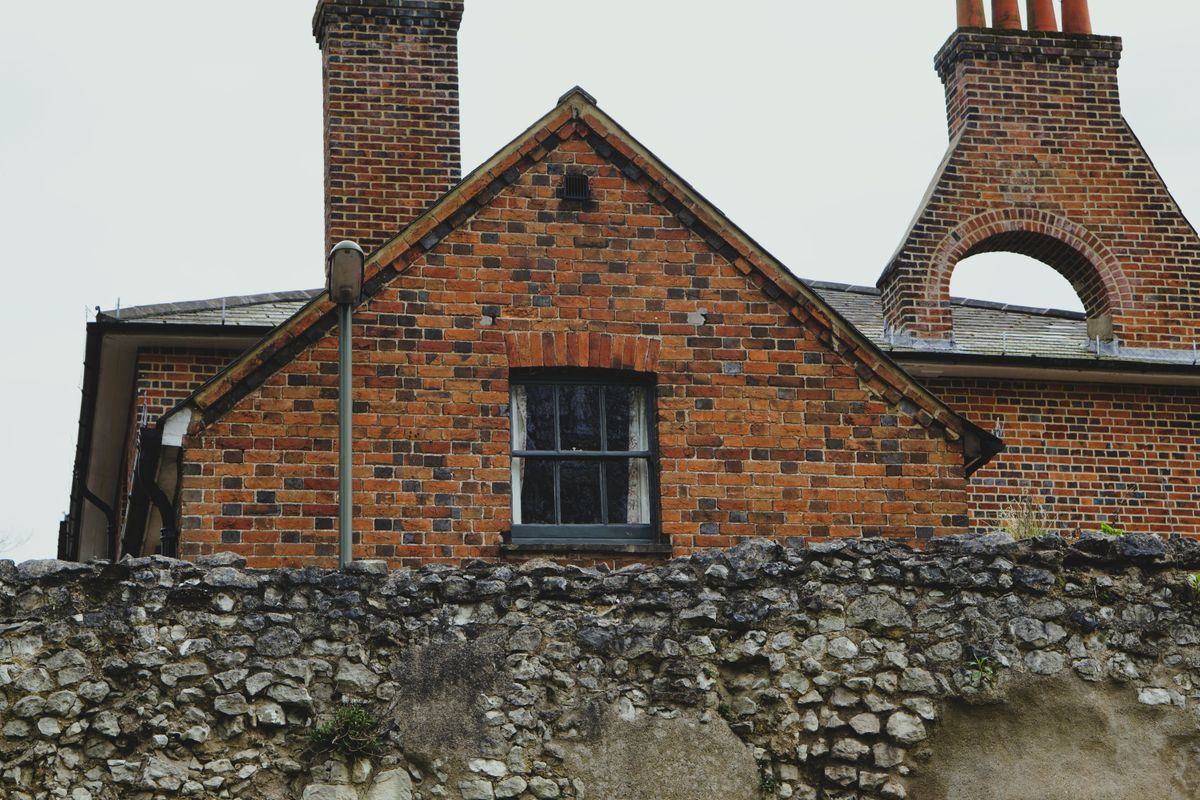
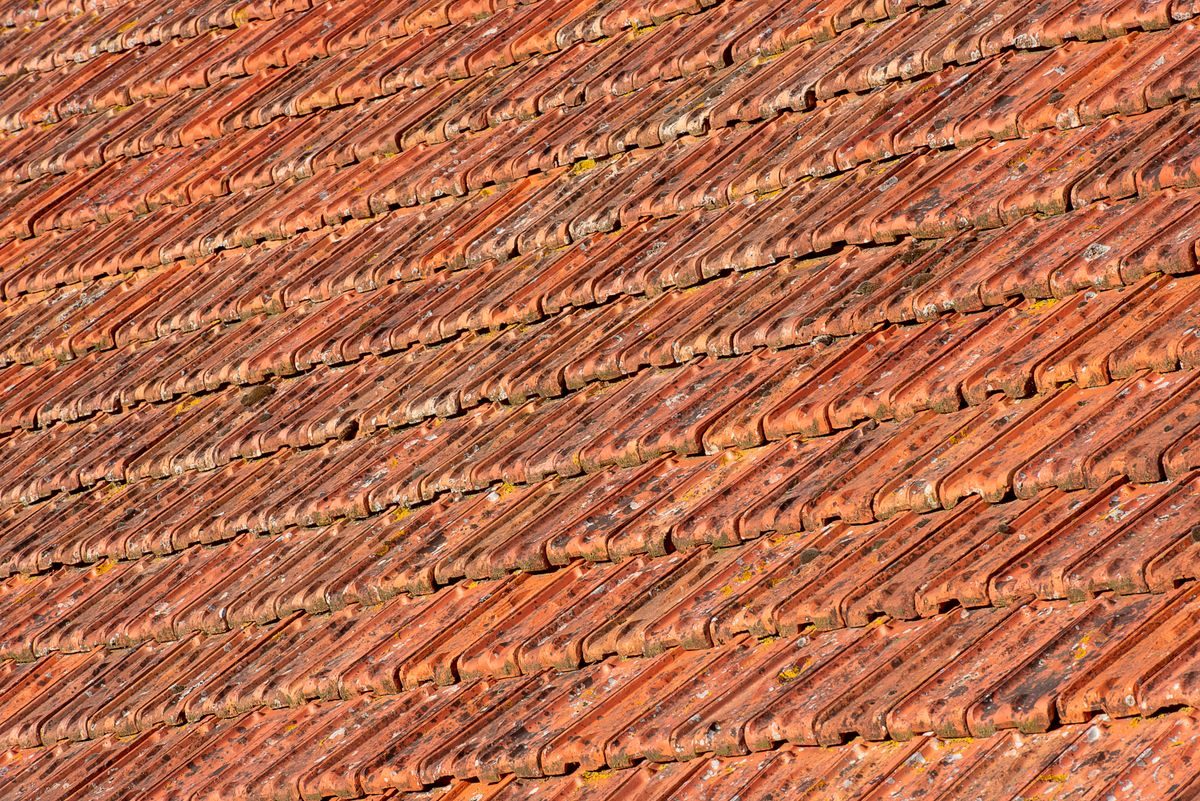
Old Town is harder to read, because the roofs are mixed. You'll find stone-slate mansards on some early buildings, Welsh slate on the shallow-pitched Regency houses at 8-14 Bath Road, and plenty of later Victorian roofs in slate or clay. The appraisal also picks out chimney stacks and clay pots as part of the roofscape worth keeping. It is blunt about what has gone wrong: "concrete tiles or reconstituted slates" on replacement roofs are listed as harm.
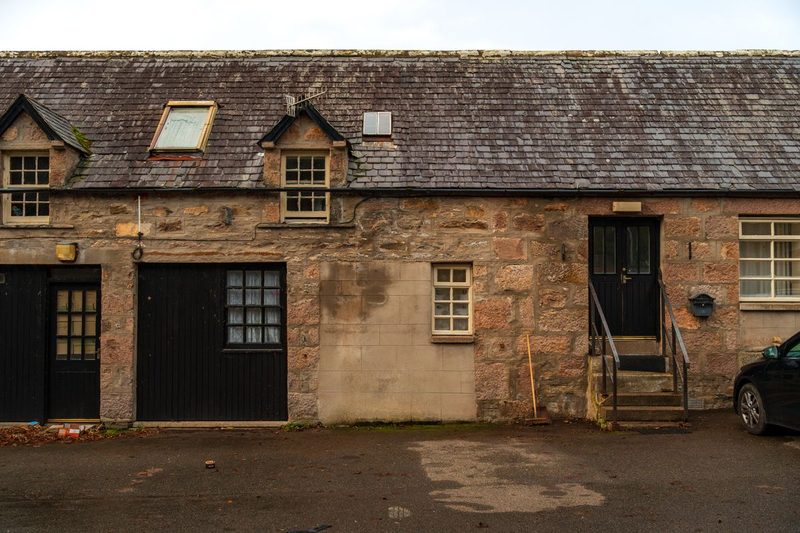
Where the house is listed, stripping and relaying in a different material needs consent. Where it isn't listed, a like-for-like reroof usually needs no permission at all. Concrete tile on an unlisted Old Town house isn't automatically a breach, but it can count against you when you later apply for a rooflight or extension.
What Needs Consent and What Doesn't
Usually fine without any application
- Replacing a few broken slates or tiles with ones that match in material, size and colour
- Repointing ridges and verges in a matching mortar (lime where the original was lime)
- Replacing lead flashing like for like
- Clearing and repairing cast iron gutters on an unlisted house
Needs listed building consent
- A full strip and reroof, even in the same material. Owners often assume this counts as a repair. Conservation officers usually don't.
- Changing slate type, colour or size, or swapping handmade clay for machine-made
- Adding insulation that raises the roof line or changes the eaves detail
- Taking down or cutting back a chimney stack
Needs planning permission because of the conservation area
- Any dormer or roof extension (conservation areas lose this permitted development right altogether)
- Anything the Article 4 direction removes in the Railway Village
- Demolishing a chimney, depending on its size and whether it can be seen
Listed building consent has no application fee. The real costs sit elsewhere: a heritage statement at £400-£1,200, drawings at £500-£1,500, and roughly eight weeks for a decision.
Rooflights, Solar Panels and Dormers on Historic Swindon Roofs
Rooflights
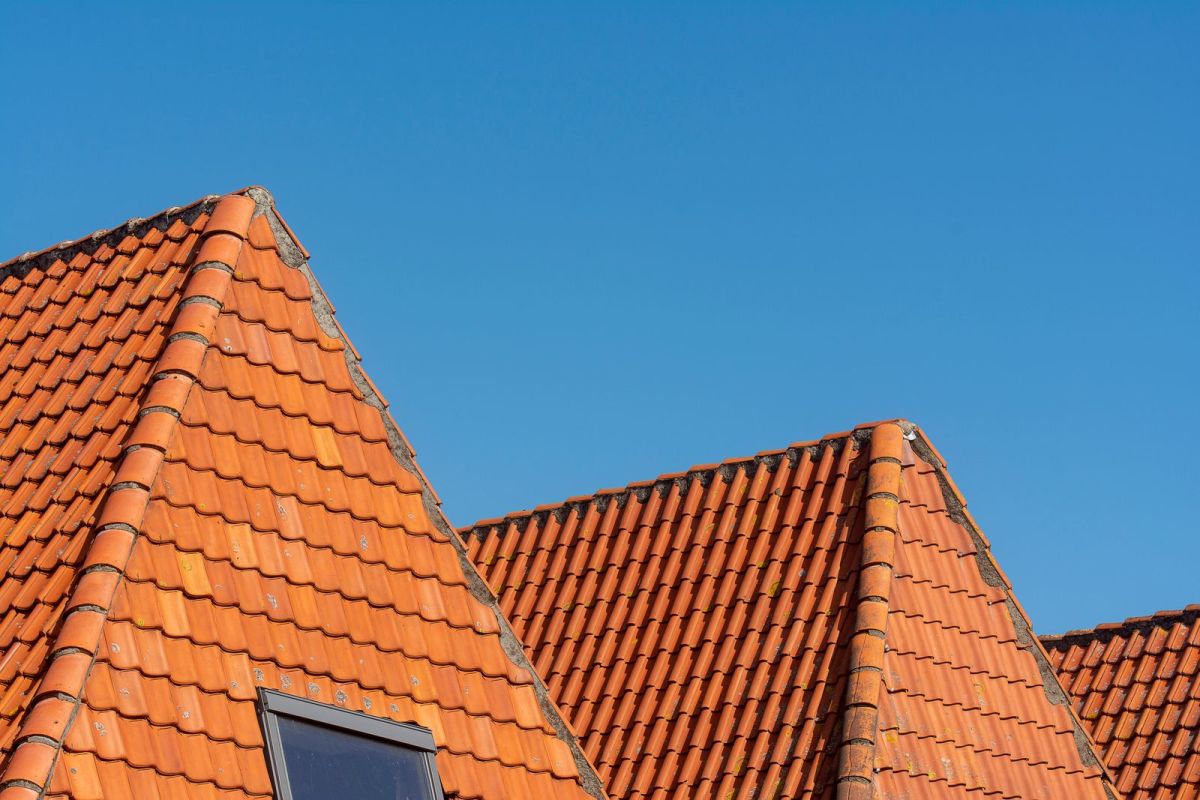
On an unlisted conservation area house, a rooflight is generally permitted development if it sticks out no more than 150mm and sits below the ridge. On a listed building it needs consent, and the council will expect a slim, flush conservation-style unit with a central glazing bar. Expect £500-£1,100 for the unit and £1,300-£2,600 fitted, against £700-£1,200 for a standard roof window.
Solar panels
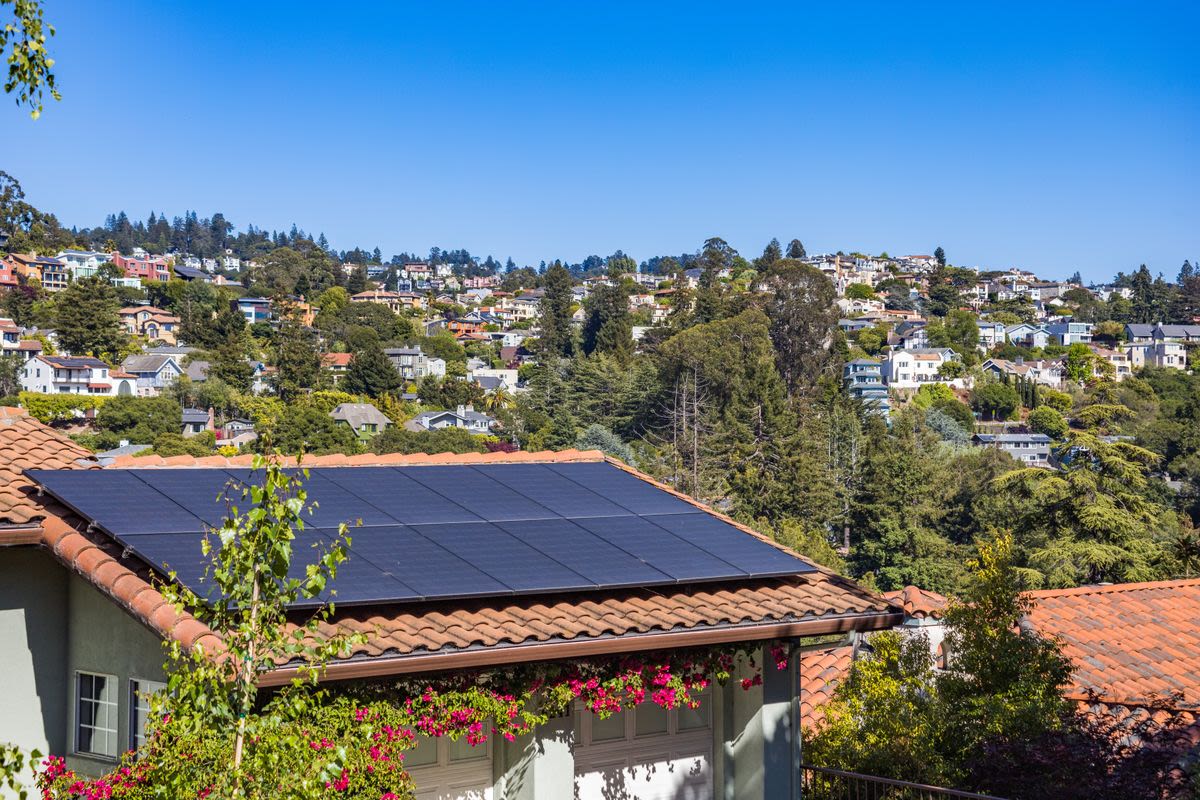
The government's permitted development technical guidance for householders allows roof panels on unlisted homes in conservation areas as long as they stand no more than 200mm proud and stay below the highest part of the roof. Listed buildings get no solar permitted development at all. In the Railway Village, assume you'll need an application. The only route with a realistic chance is usually panels on a rear slope that can't be seen from the street, and in-roof systems add £1,000-£2,000 to the job.
Dormers
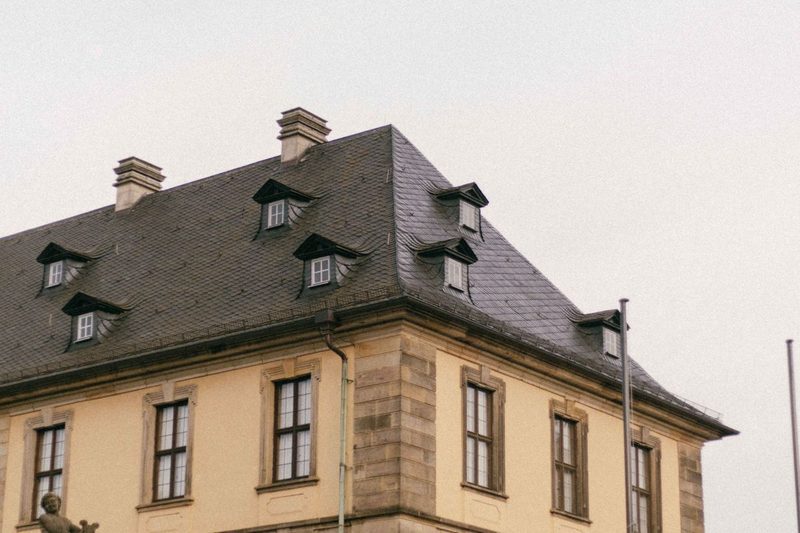
A dormer in a conservation area always needs planning permission, and on a listed Railway Village cottage it's very unlikely to be approved. In Old Town, a small traditional dormer on a rear slope sometimes gets through. Budget £548 for the application, plus drawings, before any build quote.
Like-for-Like Materials and What They Cost in 2026
These are guide prices for a two-storey terrace or semi with around 60m² of roof, scaffold included. Tight back alleys in the Railway Village can add a day.
- New Welsh slate: £120-£170 per m², so £10,000-£16,000 for the whole roof
- Reclaimed Welsh slate, sorted to match: £100-£150 per m², or £8,500-£14,000
- Spanish or Brazilian slate: £75-£110 per m², or £7,000-£10,500
- Stone slates in diminishing courses: £190-£300 per m², or £16,000-£28,000
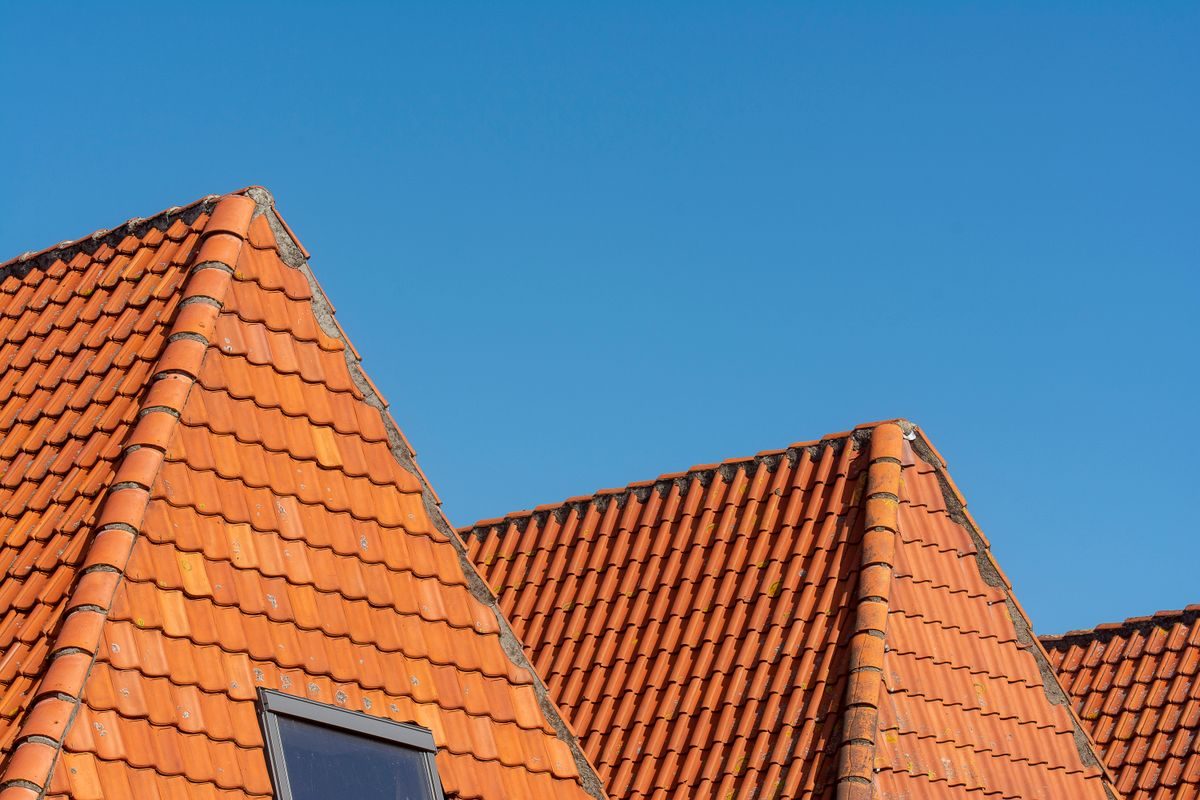
- Handmade clay plain tiles: £95-£140 per m², or £9,000-£13,500
A Welsh slate reroof costs roughly £3,000-£5,500 more than the imported slate that councils often turn down on listed roofs. Stone slating costs the most. Very few firms in north Wiltshire still dress and hang stone in diminishing courses, and the good ones are booked months ahead.
Weather is a smaller factor here than in most of Britain. Swindon gets about 700-750mm of rain a year, well under the UK average of around 1,160mm. Most failures here come from age, not exposure. How long a Swindon roof lasts by the era it was built covers when patching stops being worth it.
Enforcement: What Happens When Roof Work Goes Wrong
Under section 9 of the Planning (Listed Buildings and Conservation Areas) Act 1990, carrying out unauthorised works to a listed building is a criminal offence. The penalty can be an unlimited fine or up to two years in prison. Listed building enforcement notices have no time limit. They also pass to the next owner, so a buyer's solicitor will ask for the consent paperwork.
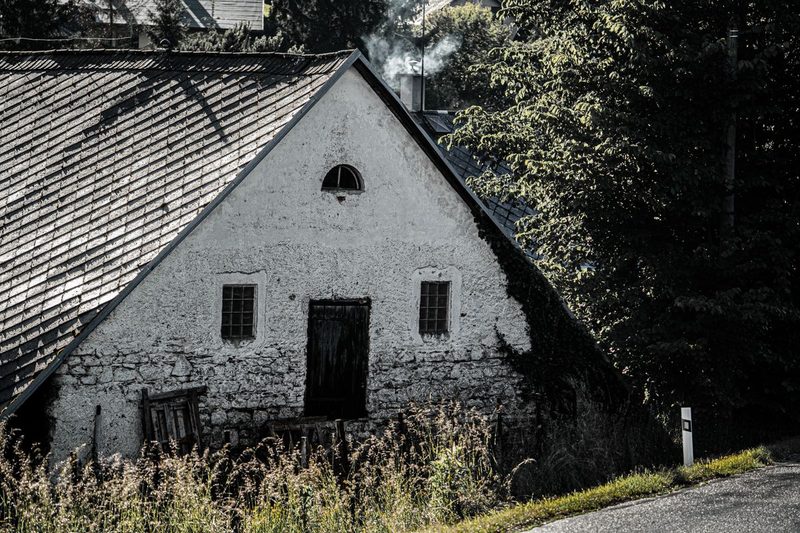
For ordinary planning breaches in a conservation area, the enforcement window is now 10 years. The usual outcome is a notice to put the old material back, which means paying for scaffold and a new roof twice. A concrete-tile reroof of a listed cottage, done for £7,000, can easily cost £15,000 or more to put right.
Staying clear is mostly about asking first. Email the council's conservation team (conservation@swindon.gov.uk) before any job bigger than a patch repair. Have your roofer photograph the existing slates, laps and ridge detail before anything comes off, and keep every consent, drawing and invoice with the deeds. That file is worth real money when you come to sell.
Common Questions About Listed and Conservation Roofs in Swindon
Do I need permission to replace a few slates on my Railway Village cottage? Not normally. Matching like-for-like repairs to a handful of slates don't need listed building consent. If the council is your landlord or freeholder, check your tenancy or lease first.
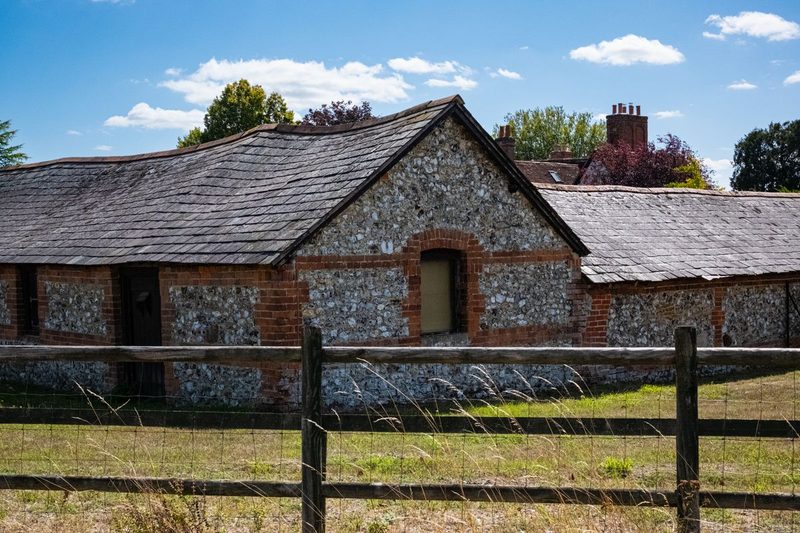
Can I reroof an unlisted house in Old Town in concrete tiles? Usually no application is needed, but the council's appraisal calls concrete tiles harmful, and that can count against later applications.
How much does listed building consent cost in Swindon? There is no application fee. Budget £900-£2,700 for a heritage statement and drawings, and around eight weeks for a decision.
Are solar panels allowed in Swindon's conservation areas? On unlisted homes, usually yes under permitted development, within the 200mm projection and ridge limits. Listed buildings, including most Railway Village cottages, need consent, and panels on front slopes are rarely approved.
Ready to work with Roof Repairs Swindon?
Let's connect! We’re here to help.
Send us a message and we’ll be in touch.
Or give us a call today at 01793 939231
Agency Contact Form
More Marketing Tips, Tricks & Tools