Fitting a Wood Burner in a Swindon Home: Chimney Condition, Flue Liners, Pots and What the Roof Work Costs
Around 1.5 million UK households have a wood burning or multi-fuel stove, and installations climb sharply every autumn as the first cold week arrives. The stove itself is the cheap part. A decent 5kW multi-fuel stove is £700 to £1,400, and homeowners routinely budget on that basis, then discover that the chimney it is going into has not carried smoke since the 1970s, has no liner, has a cracked pot, and has mortar joints that a screwdriver goes into. In Swindon this catches people out more than it should, because so much of the town's housing was built when solid fuel was standard and then converted to gas central heating in the 1960s and 70s - at which point chimneys were capped, sometimes badly, and quietly deteriorated for fifty years. The work that makes a stove installation safe and legal is mostly roof work. Here's what is actually involved.
Why the Chimney Is the Real Project
A chimney that has sat unused for decades is not simply a chimney waiting to be used again. Several things happen to it.
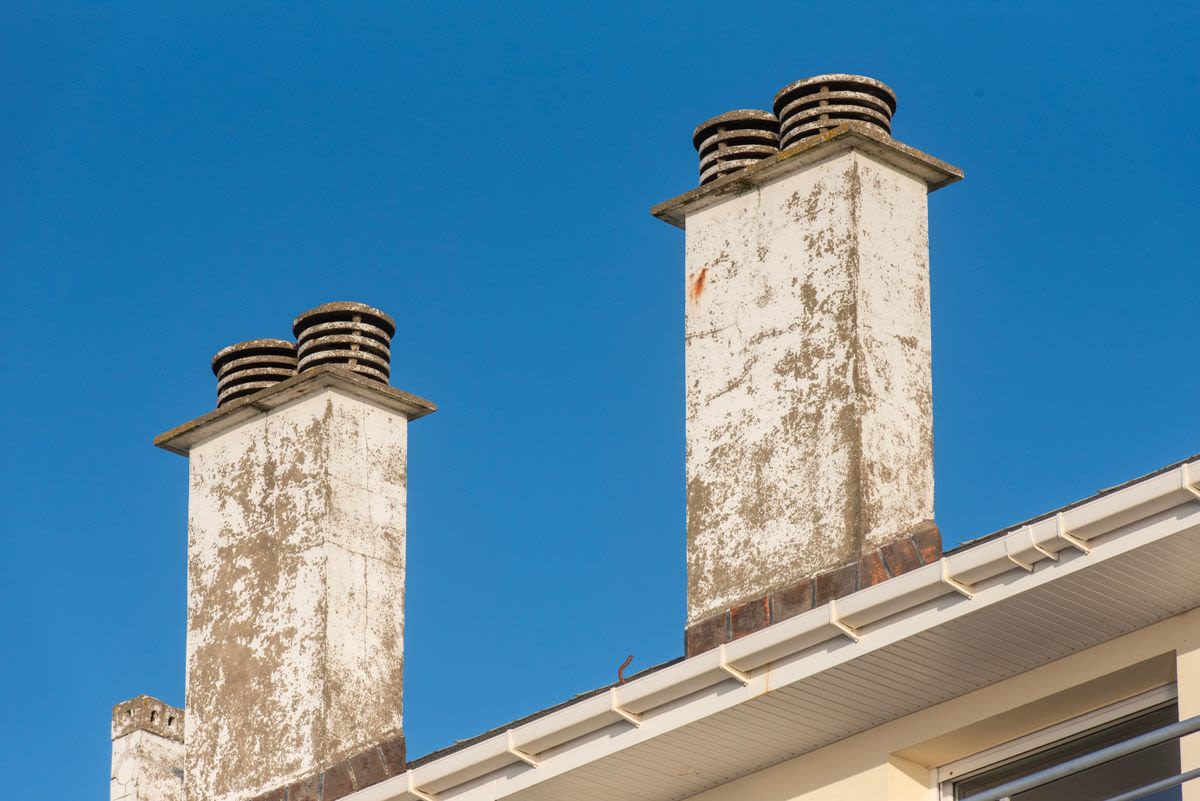
Mortar erodes. Flaunching - the sloped mortar bed holding the pot - is the most exposed mortar on the whole building and typically has a 15 to 25 year life. On an unmaintained Swindon chimney it has usually failed. Pointing between courses above roof level goes the same way, because the stack gets weather on all four sides with nothing sheltering it.
Water gets in and stays in. A capped chimney with no ventilation traps moisture. Sulphates from old soot deposits react with damp brickwork and mortar, which expands and causes the characteristic lean and spalling you see on older stacks.
The flue is unlined or has a degraded liner. Pre-1965 chimneys in Britain were generally built without any liner at all - just brick and parging. Parging crumbles. An unlined flue leaks combustion gases into the building fabric and is the main reason a liner is required.
Birds and debris. An open, unterminated pot collects nests. Jackdaws in particular fill a Swindon chimney with twigs in a single season.
The practical consequence: roughly 60% to 75% of the total cost of getting a stove working in an older Swindon house is chimney and roof work, not the appliance and not the fitting. If you are budgeting for a stove this autumn, getting the stack looked at before you buy the appliance is the order that saves money, because the survey sometimes changes the decision entirely.
What a Pre-Installation Chimney Survey Finds
A competent survey covers both ends - roof level and the flue itself - and produces a written report. Expect £150 to £350 in Swindon, or £250 to £450 including a CCTV flue camera survey.
What gets checked:
- Flue integrity , usually by smoke test and increasingly by camera. A smoke test with the flue sealed shows whether gases escape into adjoining rooms, voids or next door - which on a terrace or semi is the serious finding.
- Flue size and route. Bends, offsets and register plate positions determine whether a liner can be dropped at all.
- Stack condition above roof level - flaunching, pointing, brick face condition, lean, and the state of the flashings where the stack passes through the roof plane.
- Pot condition. Cracked, missing or wrong-sized pots all need addressing.
- Whether a shared flue exists. Older Swindon terraces sometimes have flues that cross within the stack, which is why a neighbour's smoke appears in your room.
- Hearth and constructional requirements at the bottom end.
The single most common finding on a 1930s to 1950s Swindon semi is sound brickwork with completely failed flaunching and pointing at the top three courses. That is a £400 to £900 repair and entirely routine. The findings that stop a project are a badly leaning stack, structural cracking, or a flue that cannot accept a liner without opening the brickwork.
When the Answer Is Removal Instead
Sometimes the honest recommendation is not to repair the stack at all. Where a chimney is badly deteriorated, serves nothing else, and a stove was a nice-to-have rather than a plan, taking the stack down to below roof level and making good is often cheaper than restoring it. We've set out how that calculation works in our guide to chimney removal cost in Swindon and when it's cheaper than repairing, which is worth reading alongside a survey report before deciding either way.
The Flue Liner: What It Is and Why It's Required
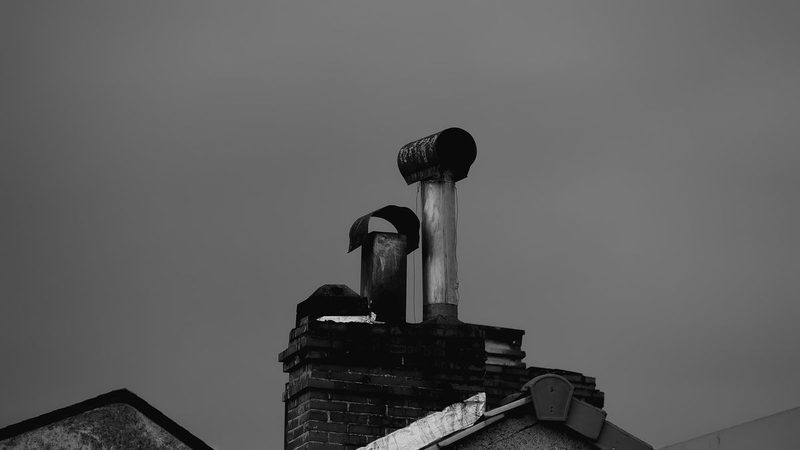
A flexible stainless steel liner is dropped down the existing flue from the top and connected to the stove at the bottom. It gives a smooth, gas-tight, correctly sized passage.
The specification points that matter:
- 316 grade stainless is suitable for burning seasoned wood only. 904 grade is required for multi-fuel, smokeless fuel or if you intend to burn anything other than dry wood. 904 costs roughly 40% to 60% more and carries a longer guarantee - typically 20 to 25 years against 10 to 15 for 316. Fitting 316 and then burning coal voids the guarantee and shortens the liner's life dramatically.
- Diameter must suit the appliance. A 5kW stove normally needs 125mm minimum; anything with a 150mm outlet keeps 150mm. Never reduce below the appliance manufacturer's stated minimum.
- Insulation. The void between liner and brickwork should be filled with vermiculite or a wrapped insulation sleeve. This keeps flue gas temperature up, which keeps the draw strong and reduces tar condensation. Skipping it is a common corner-cut and causes poor performance and creosote build-up.
- Termination. A proper cowl or pot-hanging cowl at the top, and a register plate with an access hatch at the bottom for sweeping.
Liners are installed from the roof, which means access - and that is where the roofing side comes in. Most liner installations need either a scaffold or, on a low straightforward roof, a tower.
Regulations, Sign-Off and Your Insurance
This is not optional paperwork, and it matters both legally and financially.
A solid fuel appliance installation is notifiable building work under Building Regulations Part J, which covers combustion appliances and fuel storage. There are two compliant routes:
1. A HETAS registered installer self-certifies the work and issues a certificate of compliance. This is the normal and easier route. 2. A building regulations application to Swindon Borough Council, with inspection and a completion certificate. Necessary if you use a non-registered installer.
Either way you should end up with a document. That certificate is what your insurer will ask for after a chimney fire, and what a conveyancer will ask for when you sell. An uncertified stove installation is a standard query on a sale and a standard reason for an insurer to resist a claim.
Other requirements in the same regime:
- A carbon monoxide alarm is mandatory in any room with a solid fuel appliance, positioned per the manufacturer's instructions.
- A data plate must be fitted near the appliance or at the meter, recording flue size, liner type and appliance details.
- Hearth and clearance distances must meet the appliance specification - non-combustible hearth of the correct thickness and area, and stated distances to combustible materials.
- Air supply. Appliances above 5kW output generally need a permanent air vent. This is why so many stoves are exactly 4.9kW or 5kW.
One Swindon-specific point worth checking: Smoke Control Areas . Where they apply, only exempt appliances may be used and only authorised fuels burned in a non-exempt appliance, with penalties for breach. Check the position for your address with Swindon Borough Council before buying an appliance, and if in any doubt buy a DEFRA-exempt stove, which is compliant anywhere and now the majority of the market anyway.
What the Roof Work Costs in Swindon in 2026
Figures below are the chimney and roof elements. Appliance and internal fitting are separate.
- Chimney survey , written report - £150 to £350; with CCTV flue camera - £250 to £450
- Re-flaunching the pot bed - £350 to £700
- Re-pointing the stack above roof level - £400 to £900
- New chimney pot supplied and fitted - £180 to £400
- Cowl or bird guard fitted - £90 to £220
- Lead flashing renewal where the stack meets the roof - £450 to £950
- Partial rebuild of the stack above roof level - £900 to £2,200
- Full rebuild from below the roof line - £2,200 to £4,500
- Flexible liner , 316 grade, supplied and installed with insulation - £900 to £1,600
- Flexible liner , 904 grade, same - £1,300 to £2,400
- Scaffold for stack access, typical semi - £500 to £1,100; tower access on a low roof - £150 to £350
- Chimney sweep before survey or after install - £60 to £100
A realistic all-in picture for a typical 1950s Swindon semi with an unused chimney: survey £250, re-flaunching and pointing £800, new pot and cowl £400, 904 liner £1,700, scaffold £800. That is around £3,950 of chimney and roof work before the stove, the hearth or the fitting - which on top of a £1,100 stove and £600 fitting puts the project comfortably above £5,500.
That number is why the survey comes first. Sometimes it tells you the stack is in good order and the job is £2,500. Sometimes it tells you the honest answer is a flue-free alternative.
Swindon's Chimneys by Housing Era
The stack you have depends heavily on when the house was built, and so does what it will need.
Railway Village and Victorian terraces (1840s-1900). Solid brick, unlined flues, often multiple flues per stack serving several rooms. Tall, slender stacks that take a lot of weather. Frequently need pointing and flaunching and sometimes a partial rebuild. Some are listed or in the conservation area, where consent affects materials and appearance - a modern engineering brick or a cement-heavy mortar is not acceptable, and lime mortar is likely required.
Inter-war semis (1920s-1939). Usually two flues, sound brickwork, and the most straightforward liner installations in the town. Failed flaunching is near-universal at this age.
Post-war council-built stock in Penhill, Park North and Walcot (1945-1965). Built for solid fuel, then converted. Often the best candidates - the flue was designed for exactly this duty. Watch for cement parging that has crumbled into the flue and partially blocked it.
West Swindon expansion (1970s-80s), Freshbrook, Toothill, Shaw. Many have no chimney at all, or a gas-only precast flue block system that cannot take a solid fuel appliance or a liner. If your house is from this era and has a narrow flue with a ridge terminal rather than a brick stack, a wood burner will need a twin-wall insulated flue system built new, at £2,000 to £4,000 depending on route.
Wichelstowe, Tadpole Garden Village and newer. Generally no flue. Twin-wall system or nothing.
Swindon's climate makes the exposed-stack problem worse than the national average suggests. The town sits on high ground on the edge of the Marlborough Downs with limited shelter, catching wind-driven rain from the south-west across a long, wet autumn and winter - annual rainfall around 700mm to 800mm spread over roughly 130 wet days. A stack is the most exposed masonry on any house, wet on all four faces, and Swindon's exposure accelerates mortar loss. That is also why the freeze-thaw damage that spalls brick faces shows up here on stacks a decade before it shows on walls.
Frequently Asked Questions
Do I need a chimney liner for a wood burner?
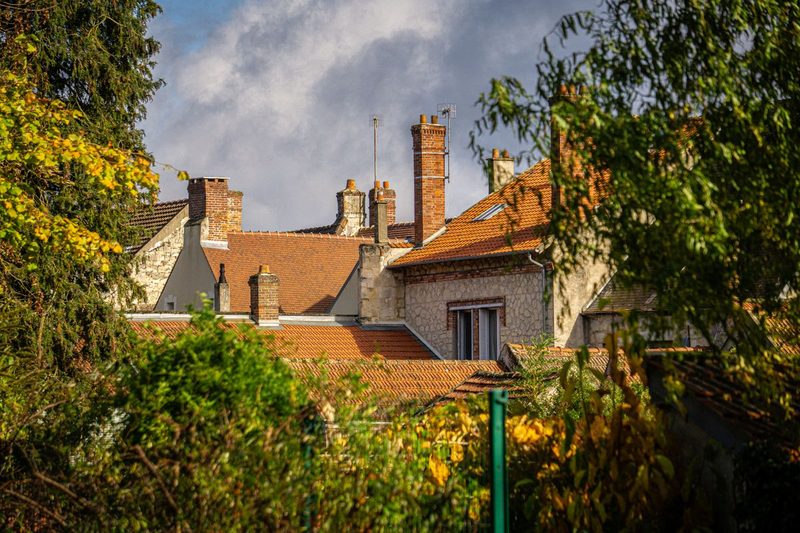
In almost all cases with an older chimney, yes. Pre-1965 flues were generally built unlined, and an unlined flue can leak combustion gases into the building fabric or adjoining properties. A flexible stainless liner gives a gas-tight, correctly sized passage. Use 316 grade for seasoned wood only, or 904 grade for multi-fuel or smokeless fuels.
How much does the chimney work cost for a wood burner in Swindon?
The roof and chimney element typically runs £2,500 to £4,500 on an older property - survey, re-flaunching, pointing, new pot and cowl, liner and scaffold. Add the appliance at £700 to £1,400 and fitting, and a realistic total project is £4,000 to £6,500. A stack needing a full rebuild pushes it higher.
Does a wood burner installation need building regulations approval?
Yes. It is notifiable work under Part J. Either use a HETAS registered installer who self-certifies and issues a certificate of compliance, or make a building regulations application to Swindon Borough Council. You need the certificate for your insurer and for conveyancing when you sell.
Can I fit a wood burner if my house has no chimney?
Yes, using a twin-wall insulated flue system routed internally and through the roof, or externally up an elevation. Budget £2,000 to £4,000 for the flue system depending on route and height. Note that precast gas flue blocks found in many 1970s and 80s Swindon houses cannot be used or lined for solid fuel.
What does a chimney survey involve and is it worth it?
It covers a smoke test or CCTV camera inspection of the flue, plus roof-level assessment of flaunching, pointing, brickwork, lean, pot condition and flashings. It costs £150 to £450 and is worth it, because the survey determines whether the project is £2,500 or £6,000, and occasionally that the stack should come down rather than be restored.
```json { "@context": "https://schema.org", "@type": "FAQPage", "mainEntity": [ { "@type": "Question", "name": "Do I need a chimney liner for a wood burner?", "acceptedAnswer": { "@type": "Answer", "text": "In almost all cases with an older chimney, yes. Pre-1965 flues were generally built unlined, and an unlined flue can leak combustion gases into the building fabric or adjoining properties. A flexible stainless liner gives a gas-tight, correctly sized passage. Use 316 grade for seasoned wood only, or 904 grade for multi-fuel or smokeless fuels." } }, { "@type": "Question", "name": "How much does the chimney work cost for a wood burner in Swindon?", "acceptedAnswer": { "@type": "Answer", "text": "The roof and chimney element typically runs 2,500 to 4,500 pounds on an older property, covering survey, re-flaunching, pointing, new pot and cowl, liner and scaffold. Add the appliance at 700 to 1,400 pounds and fitting, and a realistic total project is 4,000 to 6,500 pounds. A stack needing a full rebuild pushes it higher." } }, { "@type": "Question", "name": "Does a wood burner installation need building regulations approval?", "acceptedAnswer": { "@type": "Answer", "text": "Yes. It is notifiable work under Part J. Either use a HETAS registered installer who self-certifies and issues a certificate of compliance, or make a building regulations application to Swindon Borough Council. You need the certificate for your insurer and for conveyancing when you sell." } }, { "@type": "Question", "name": "Can I fit a wood burner if my house has no chimney?", "acceptedAnswer": { "@type": "Answer", "text": "Yes, using a twin-wall insulated flue system routed internally and through the roof, or externally up an elevation. Budget 2,000 to 4,000 pounds for the flue system depending on route and height. Precast gas flue blocks found in many 1970s and 80s Swindon houses cannot be used or lined for solid fuel." } }, { "@type": "Question", "name": "What does a chimney survey involve and is it worth it?", "acceptedAnswer": { "@type": "Answer", "text": "It covers a smoke test or CCTV camera inspection of the flue, plus roof-level assessment of flaunching, pointing, brickwork, lean, pot condition and flashings. It costs 150 to 450 pounds and is worth it, because the survey determines whether the project is 2,500 or 6,000 pounds, and occasionally that the stack should come down rather than be restored." } } ] } ```
```json { "@context": "https://schema.org", "@type": "Article", "headline": "Fitting a Wood Burner in a Swindon Home: Chimney Condition, Flue Liners, Pots and What the Roof Work Costs", "description": "Most of the cost of a wood burner is above the ceiling, not in the stove. Here's what a Swindon chimney needs before it can take a liner, what roof-level work is involved, the regs that apply, and realistic 2026 costs.", "author": { "@type": "Organization", "name": "The Team" }, "datePublished": "2026-09-22", "dateModified": "2026-09-22", "articleSection": "Roof Repairs" } ```
Ready to work with Roof Repairs Swindon?
Let's connect! We’re here to help.
Send us a message and we’ll be in touch.
Or give us a call today at 01793 939231
Agency Contact Form
More Marketing Tips, Tricks & Tools