Solar Panels and Your Swindon Roof: The Checks to Make Before You Install
Solar panels last around 25 - 30 years. A concrete tile roof on a 1970s Swindon estate might have 15 left. Bolting one onto the other is how homeowners end up paying £900 - £1,800 to take a system off and put it back so a roofer can work underneath. The UK passed 1.5 million domestic solar installations and Swindon has been an early adopter, helped by a solar farm programme dating back over a decade and around 1,500 - 1,600 hours of annual sunshine, which is respectable for the UK. But the roof has to be right first. This guide covers what to check before you sign a solar contract, what an installer will and will not tell you, and how to sequence the two jobs so you only pay for scaffolding once.
The Question Nobody Asks the Solar Salesperson
Solar installers survey for orientation, pitch, shading and structure. Very few will give you a candid assessment of how long your roof covering has left, because it is not their trade and it is not in their interest.
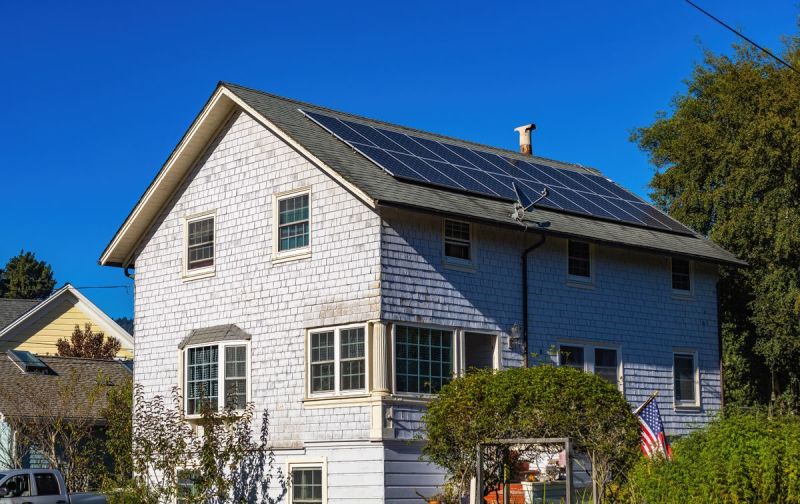
The question to ask is simple: how old is the roof covering, and what condition are the battens and underlay in? A solar array does not damage a sound roof. It does make a failing one considerably more expensive to fix.
Get an independent roof condition report before you commission solar. It costs £150 - £350 in Swindon and it is the cheapest decision in the whole project. Roof Repairs Swindon will assess the covering, battens, underlay and fixings and give you a plain answer on remaining life, with no interest in whether you go ahead with panels or not.
What Solar Actually Does to a Roof
Panels are fixed with roof hooks or brackets that bolt through into the rafters, with a tile cut or dressed around each hook. On a well-installed system that is watertight and stays that way.
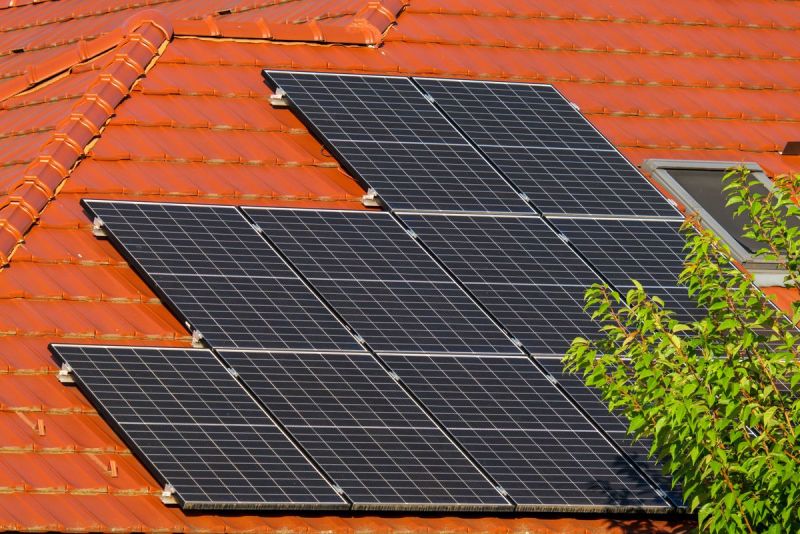
Weight is rarely the issue. A typical array adds 12 - 18kg per square metre, and most UK roofs built to modern loading standards handle that comfortably. Older roofs with undersized rafters or previous alterations sometimes need strengthening, which a structural check should identify.
The real risks are three. First, penetration points: every bracket is a hole through the covering, and a poorly dressed one leaks. Second, access: once panels are on, the area beneath them is effectively sealed off from repair. Third, batten condition, because the hooks rely on rafters and adjacent battens being sound, and a perished batten under an array is not something anyone finds until water appears.
Which Swindon Roofs Need the Most Care
Swindon's housing splits usefully. The Victorian and Edwardian railway terraces around Old Town, Gorse Hill and Rodbourne mostly have natural slate, often original, and slate roofs need particular care because slates crack when a hook is dressed badly and nail sickness may already be underway.
The post-war and 1960s - 80s estates - Park North, Walcot, Penhill, Toothill - are largely concrete interlocking tile, which is easy to work with but is now 40 - 60 years old and frequently at the point where the underlay has gone brittle. The newer developments at Wichelstowe, Priory Vale and Redhouse have modern roofs with breathable membrane and are the straightforward case.
Costs: Solar, and Solar Done Twice
A 4kW domestic array in Swindon typically costs £5,500 - £8,000 installed in 2026, and a 6kW system with battery runs £9,000 - £14,000.
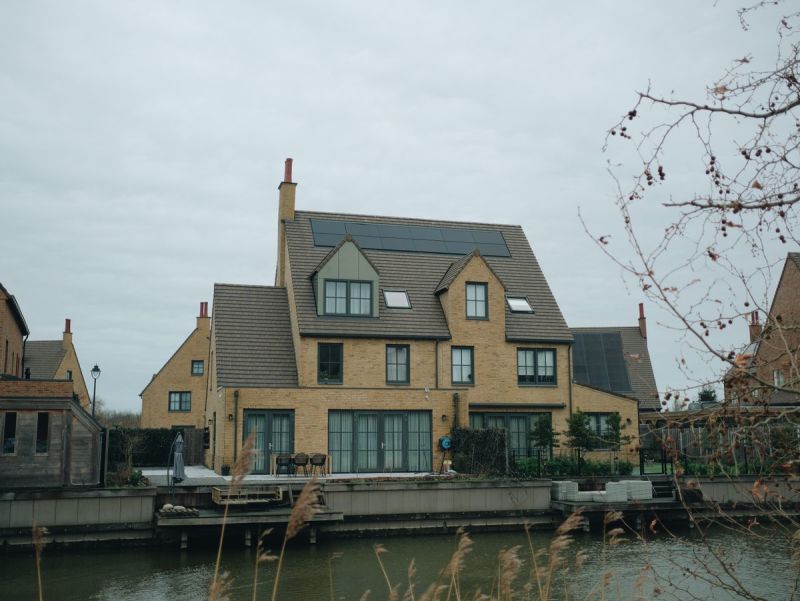
Removing and refitting an existing array to allow roof work costs £900 - £1,800, sometimes more if the installer is no longer trading and the mounting system is unfamiliar. Add scaffolding at £600 - £1,200, which you would be paying anyway for the roof work, and there is your penalty for doing things in the wrong order.
A re-roof under a removed array on a Swindon semi comes to £6,500 - £11,000. Combined with removal and refit, the total is £8,000 - £14,000 for what would have been a £7,500 job had the roof been done first.
The Sequencing That Saves Money
Work out the roof's remaining life first, then decide.
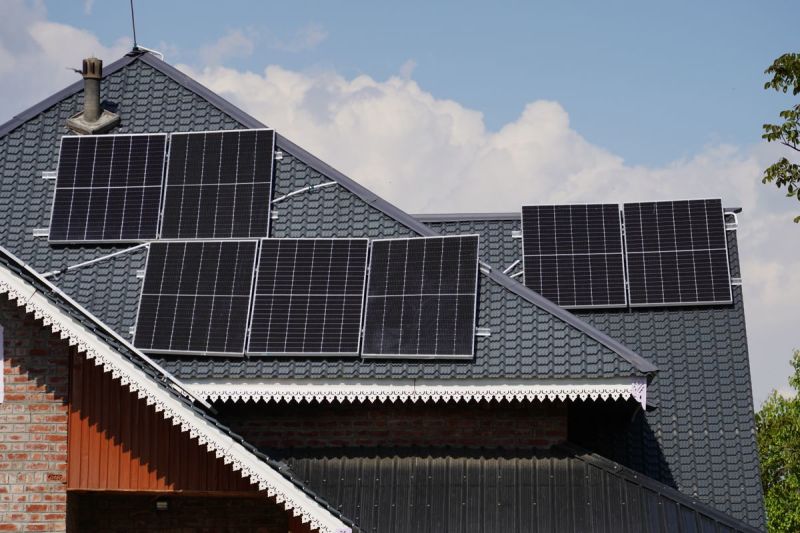
If the roof has 20 or more years left, install solar now. If it has under 10, do the roof first and then the solar, ideally within the same scaffold period if the schedule allows - that alone saves £600 - £1,200. If it sits between 10 and 20 years, this is the genuine judgement call, and I would generally do the roof anyway on a concrete tile roof of that age, because the underlay is the component that decides and it is usually the one that has gone.
The middle option worth knowing about: a partial overhaul. Re-bedding ridges and verges, replacing flashings and renewing eaves felt costs £1,800 - £4,000, buys 15 - 20 years, and is often enough to make a roof solar-ready without a full replacement. If you are weighing the energy side of that spend, our guide on loft and roof insulation costs in Swindon and the savings available covers the cheaper efficiency work that usually pays back faster than solar does.
Planning, Permitted Development and Listed Property
Most domestic solar in Swindon is permitted development, meaning no planning application. The conditions matter though: panels must not project more than 200mm from the roof slope, must not sit above the highest part of the roof excluding the chimney, and must be sited to minimise visual impact.

Conservation areas change it. Swindon has several, including Old Town and parts of Rodbourne, and in a conservation area panels on a wall or roof slope fronting a highway need planning permission. Listed buildings need listed building consent regardless of where the panels go, and consent is far from guaranteed.
Check the current position on the Planning Portal's solar panels guidance and confirm your property's designation with Swindon Borough Council before committing. An installer telling you "it's always permitted development" is not a defence if it turns out not to be.
Wind, Weather and Swindon's Exposure
Swindon sits on the edge of the Marlborough Downs at around 100 - 150m above sea level, and the exposed western and southern edges of the town catch more wind than the sheltered valley areas. Wind uplift on a solar array is the load that matters, not the dead weight.

A properly designed system accounts for this with correct bracket spacing and edge clearances. Arrays fitted too close to a verge or ridge experience much higher suction, and a bracket count chosen for a sheltered site is not adequate on an exposed one. Ask the installer what wind loading the design assumes and how the bracket spacing was derived. A vague answer is a reason to get another quote.
Swindon gets around 700 - 750mm of rain a year, lower than much of the west of England, which is mildly good news for both roof life and panel soiling. Panels here need cleaning less often than in coastal or heavily wooded locations, roughly every three to five years at £100 - £200.
Choosing an Installer Who Understands Roofs
MCS certification is the baseline. It is required for grant eligibility, for most export tariffs, and it brings a workmanship warranty separate from the panel warranty. Verify it directly on the MCS installer database rather than trusting a logo on a leaflet.
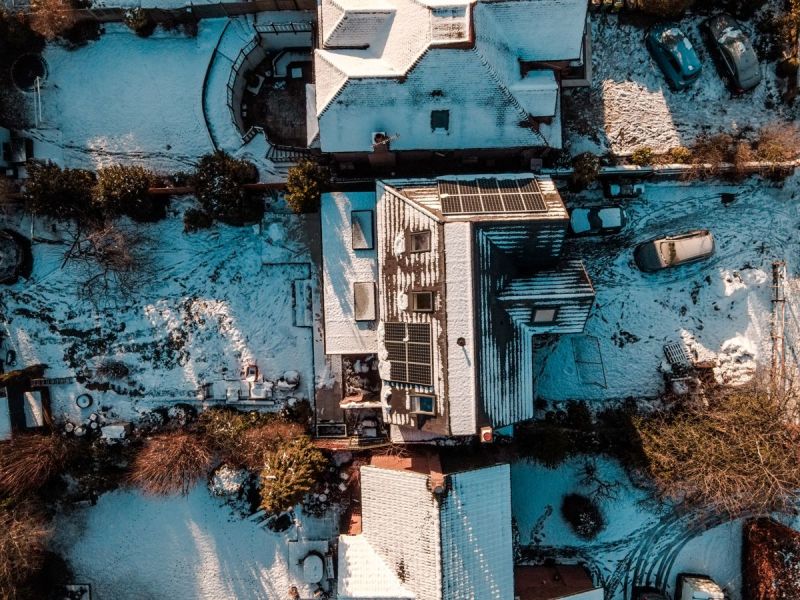
Beyond that, ask roofing questions. Who dresses the tiles around the hooks - a roofer or an electrician? What happens if a slate cracks during installation? Is there a leak warranty covering the penetration points specifically, and for how long? Good installers answer these easily. The ones who bristle are the ones whose work you will be repairing.
Ask about the mounting system by name and check it is a mainstream product still in production. Proprietary systems from firms that have since folded are the reason removal and refit costs vary so widely.
If You Already Have Panels and a Failing Roof
This is a bad position but not a disaster. Get a roofer to inspect what they can reach, including the loft side, which often tells you more than the exterior.
If the failure is localised and away from the array, repair it and leave the panels. If the underlay has gone generally, budget for removal, re-roof and refit as one project and get the solar installer and the roofer talking to each other before either books anything. Coordinating the scaffold across both trades is the main saving available.
Do not let a general builder remove panels. DC isolation, earthing and reconnection need a competent electrician, and a badly reconnected array is both a fire risk and a warranty void.
Frequently Asked Questions
Do I need a new roof before installing solar panels in Swindon?
Not necessarily, but you need to know the covering's remaining life first. Panels last 25 - 30 years, so a roof with under 10 years left should be dealt with beforehand. Between 10 and 20 years, an overhaul at £1,800 - £4,000 often makes the roof solar-ready without a full replacement. An independent roof condition report costs £150 - £350 and settles the question before you commit.
How much does it cost to remove and refit solar panels for roof work?
£900 - £1,800 for a typical domestic array, plus scaffolding at £600 - £1,200. Costs rise if the original installer has ceased trading or the mounting system is a discontinued proprietary design, since brackets and rails may need replacing rather than reusing. Doing the roof work first avoids the charge entirely.
Do solar panels need planning permission in Swindon?
Usually not. Most domestic installations are permitted development provided panels project no more than 200mm from the roof slope and do not sit above the highest part of the roof. Conservation areas are the exception, and panels on a roof slope fronting a highway there need permission. Listed buildings require listed building consent wherever the panels go.
Will solar panels damage my roof tiles?
Not when installed properly. Each bracket penetrates the covering and the surrounding tile or slate is cut or dressed to stay watertight, which is roofing work rather than electrical work. Problems arise from badly dressed penetrations, cracked slates during fitting, and brackets fixed to perished battens. Ask who carries out the tile work and whether the leak warranty specifically covers the fixing points.
```json { "@context": "https://schema.org", "@type": "FAQPage", "mainEntity": [ { "@type": "Question", "name": "Do I need a new roof before installing solar panels in Swindon?", "acceptedAnswer": { "@type": "Answer", "text": "Not necessarily, but you need to know the covering's remaining life first. Panels last 25 to 30 years, so a roof with under 10 years left should be dealt with beforehand. Between 10 and 20 years, an overhaul at £1,800 to £4,000 often makes the roof solar-ready without full replacement. An independent roof condition report costs £150 to £350." } }, { "@type": "Question", "name": "How much does it cost to remove and refit solar panels for roof work?", "acceptedAnswer": { "@type": "Answer", "text": "£900 to £1,800 for a typical domestic array, plus scaffolding at £600 to £1,200. Costs rise if the original installer has ceased trading or the mounting system is a discontinued proprietary design, since brackets and rails may need replacing rather than reusing. Doing the roof work first avoids the charge entirely." } }, { "@type": "Question", "name": "Do solar panels need planning permission in Swindon?", "acceptedAnswer": { "@type": "Answer", "text": "Usually not. Most domestic installations are permitted development provided panels project no more than 200mm from the roof slope and do not sit above the highest part of the roof. Conservation areas are the exception, and panels on a roof slope fronting a highway there need permission. Listed buildings require listed building consent wherever the panels go." } }, { "@type": "Question", "name": "Will solar panels damage my roof tiles?", "acceptedAnswer": { "@type": "Answer", "text": "Not when installed properly. Each bracket penetrates the covering and the surrounding tile or slate is cut or dressed to stay watertight, which is roofing work rather than electrical work. Problems arise from badly dressed penetrations, cracked slates during fitting, and brackets fixed to perished battens. Ask who carries out the tile work and whether the leak warranty covers the fixing points." } } ] } ```
Ready to work with Roof Repairs Swindon?
Let's connect! We’re here to help.
Send us a message and we’ll be in touch.
Or give us a call today at 01793 939231
Agency Contact Form
More Marketing Tips, Tricks & Tools