Bungalow Roof Replacement and Repairs in Swindon: Common Faults, Chalet Bungalows and 2026 Costs
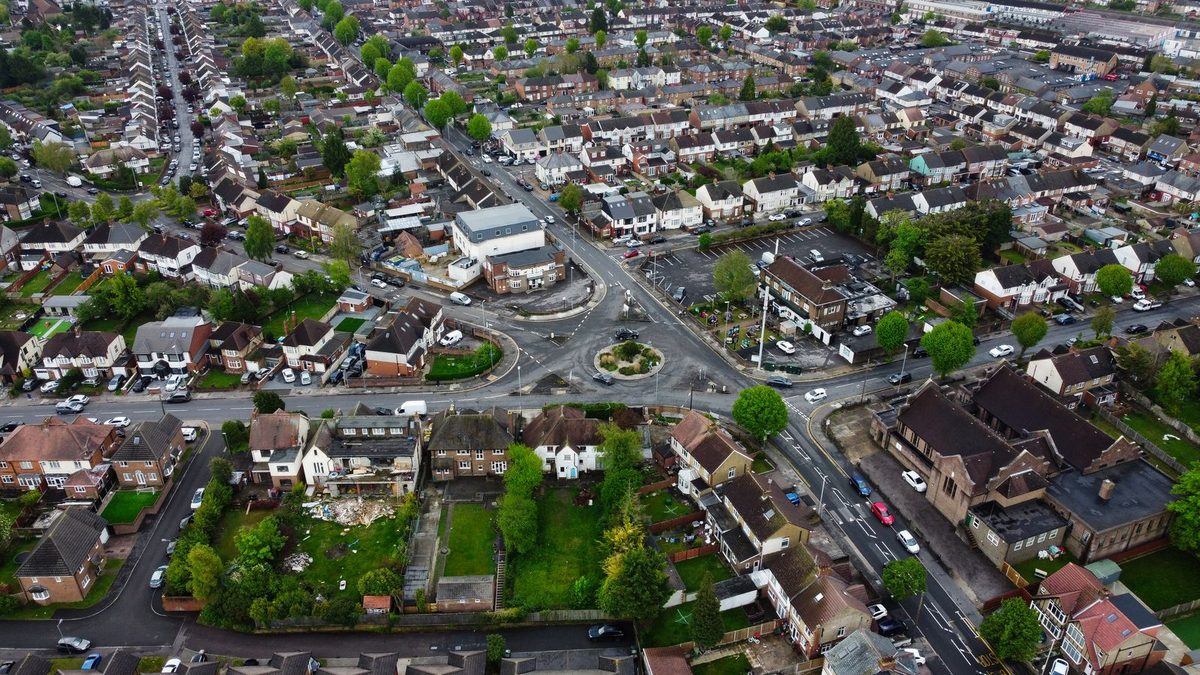
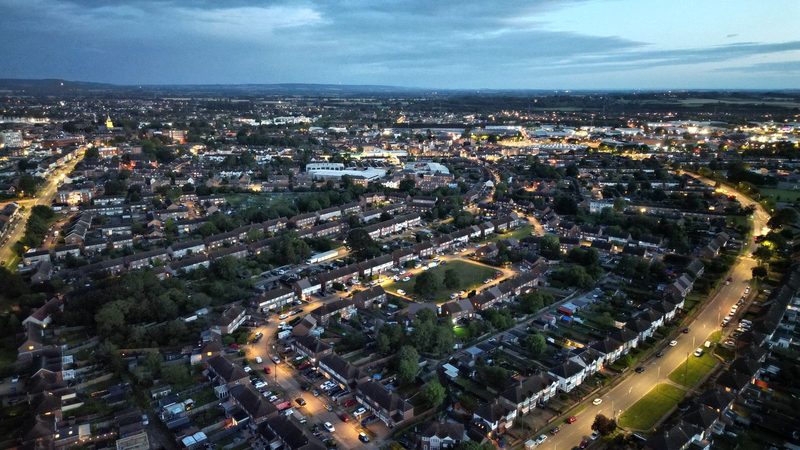
A bungalow roof looks like the easy job on the street. It's low, you can almost touch the gutters, and nobody needs a three-storey scaffold. But square metre for square metre, a bungalow carries more roof than any other house type. A typical 3-bed semi has around 50-60m² of roof over two floors of living space. A 3-bed bungalow puts all its rooms under one roof, so you're often looking at 110-140m² of tiles covering a single storey. Swindon has a lot of them. The town grew fast during its post-war expansion, and many of the bungalows from the 1960s, 70s and early 80s still have their original concrete interlocking tiles and bitumen felt, which are now 40-60 years old. With roughly 700-750mm of rain a year, below the UK average of around 1,160mm, Swindon roofs aren't battered, but the damp clay vale keeps them wet for long spells each winter. If you're weighing up bungalow roof replacement in Swindon, or just a repair, here's what's different and what it costs.
Why Bungalow Roof Replacement in Swindon Is a Different Job
Three things set a bungalow roof apart: its size relative to the house, its shape and how we get onto it.
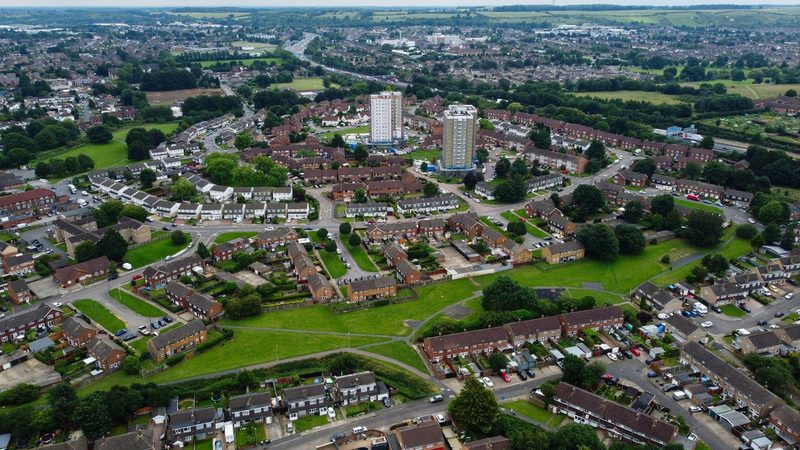
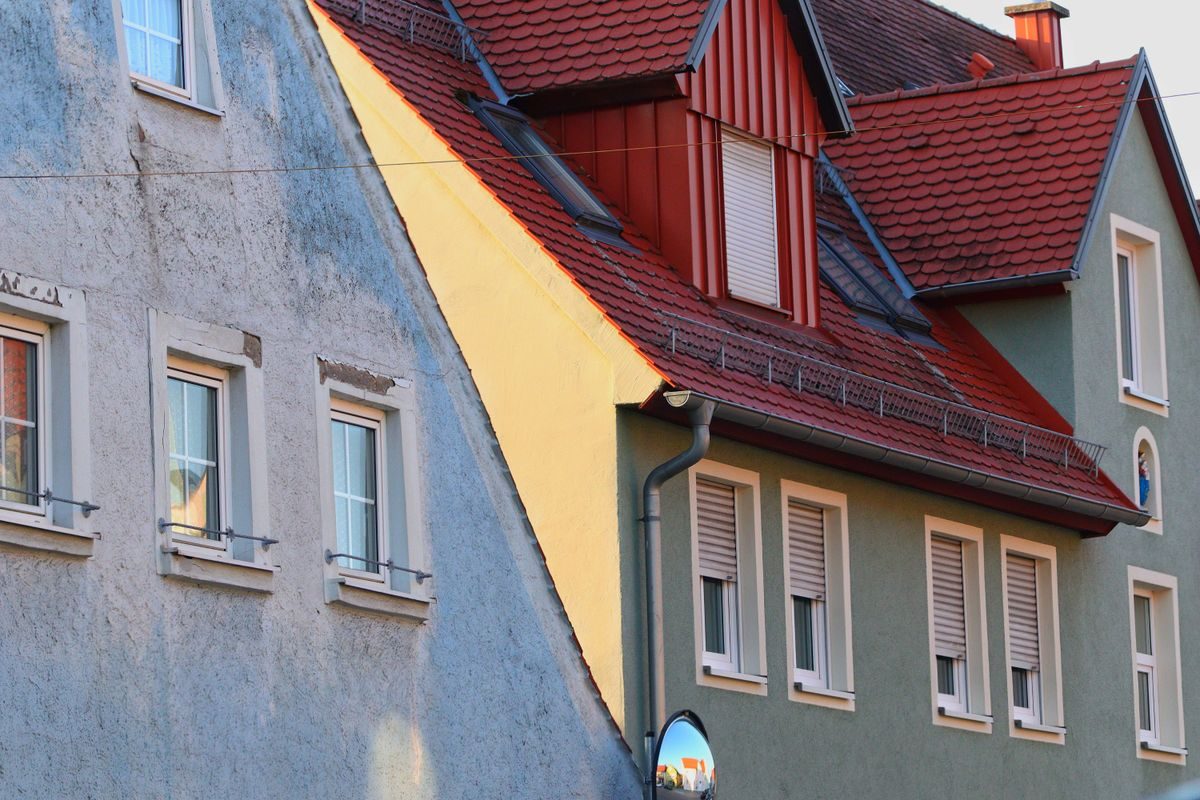
Most Swindon bungalows from this era are hipped, meaning the roof slopes down on all four sides instead of ending in a flat gable wall. That gives you four hips plus a short ridge, often 25-35 linear metres of hip and ridge tiles to keep watertight, compared with 8-10 metres of ridge on a typical semi. Pitches tend to be fairly low, around 20-30 degrees, which suits concrete interlocking tiles but means water runs off more slowly and any weak lap or cracked tile gets tested harder. If you're not sure what your roof needs, Roof Repairs Swindon can look it over and tell you plainly whether it's a repair or a replacement.
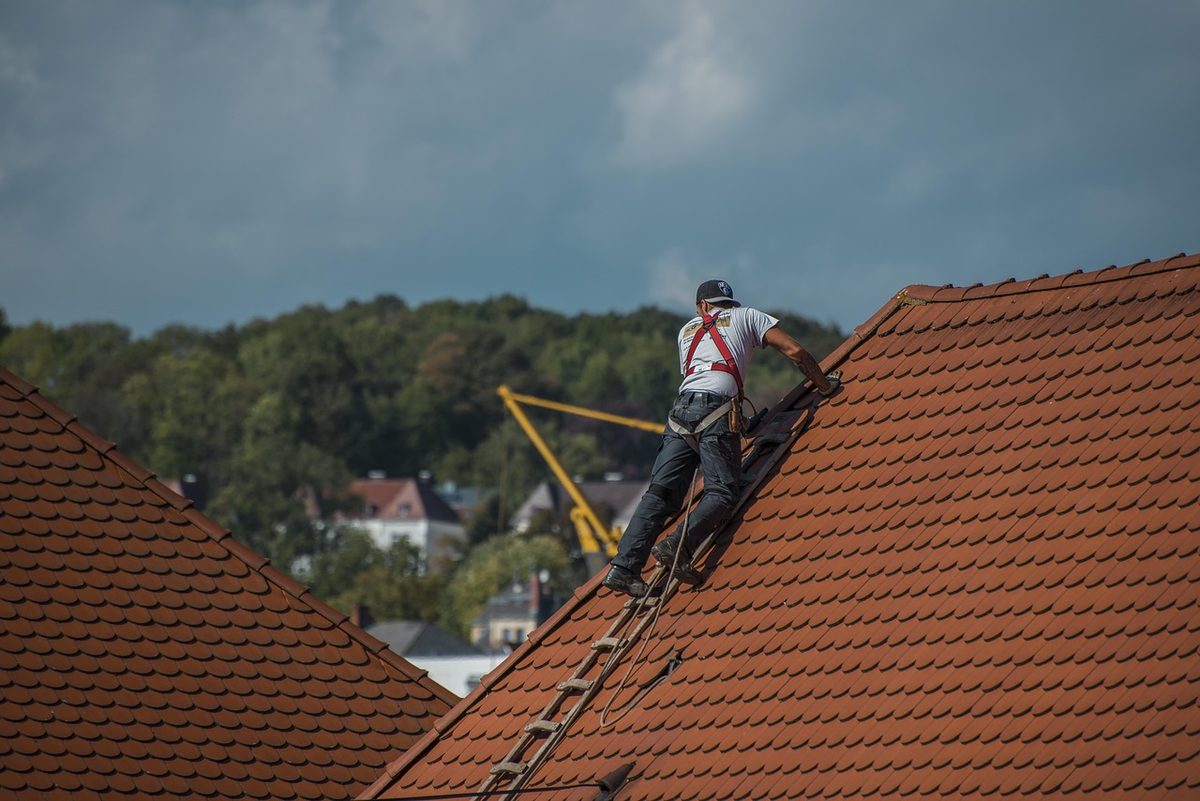
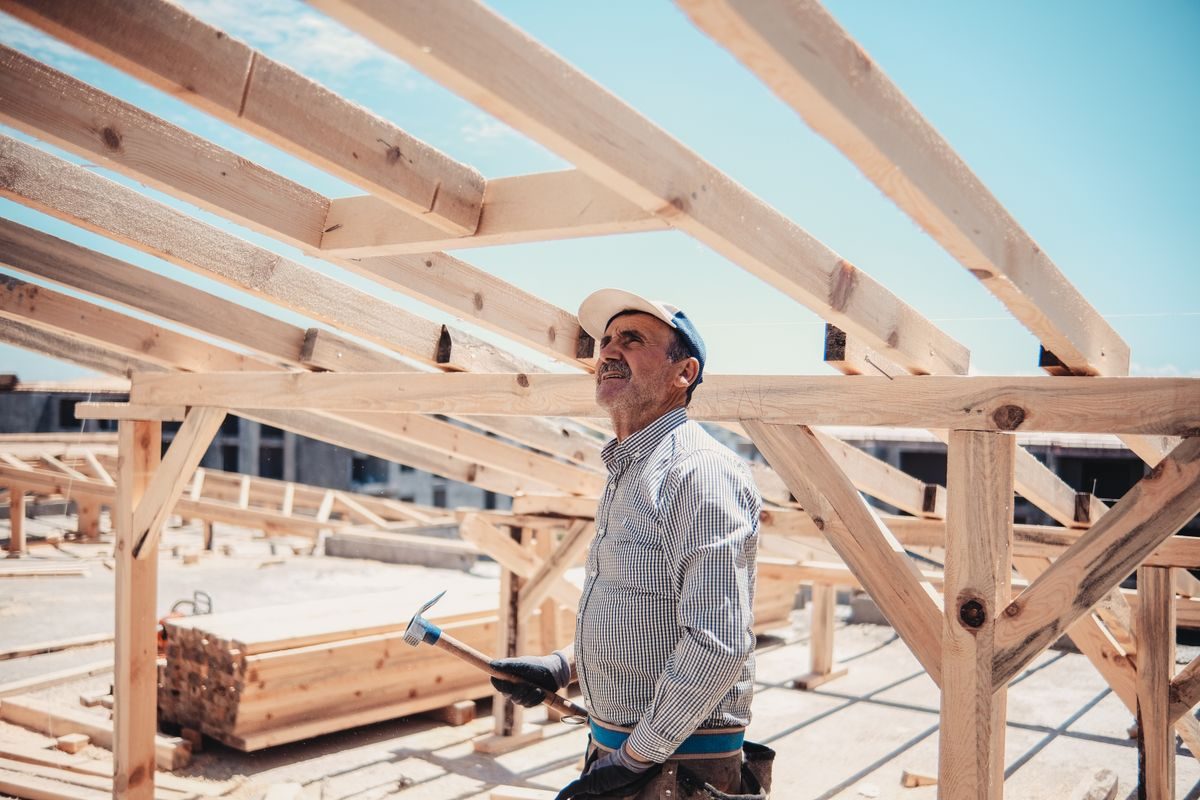
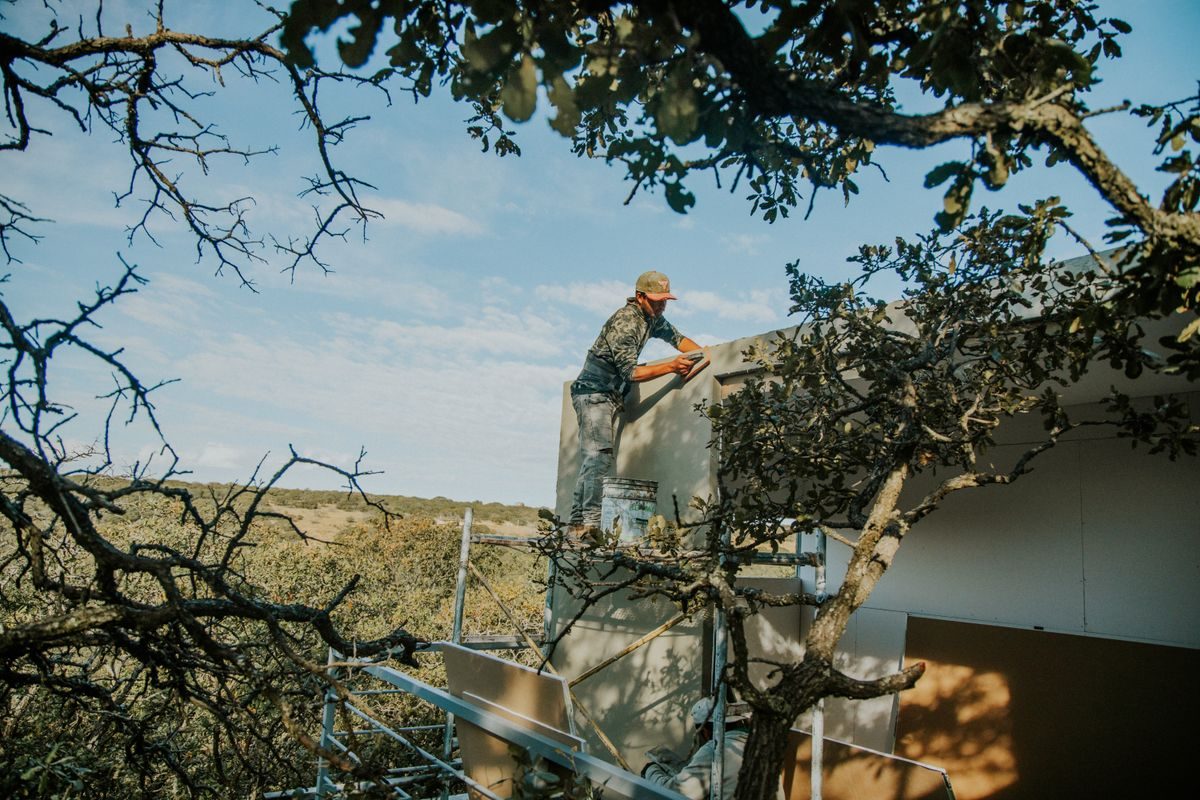
Access is the good news. Eaves on a bungalow sit around 2.4-2.7m off the ground, so most repairs can be done from ladders, a roof ladder and a small tower. A full re-roof is different. You're stripping and lifting around 5 tonnes of tiles, so a safe working edge is needed all the way round. On a bungalow that usually means a perimeter edge-protection scaffold rather than a full scaffold, which typically costs £600-£1,300 instead of the £1,500-£3,000 a two-storey house needs. The Health and Safety Executive's guidance on roof work is clear that falls from low roofs still cause serious injuries, so any roofer offering to re-roof a bungalow off ladders alone is cutting a corner.
The Faults We Find Most on Swindon Bungalow Roofs
Bungalows from the 1960s-80s tend to fail in the same handful of places. Most of these show up as a stain on a bedroom ceiling, a damp patch along the top of an outside wall or a hip tile sitting in the flower bed.
Hip and ridge tiles coming loose
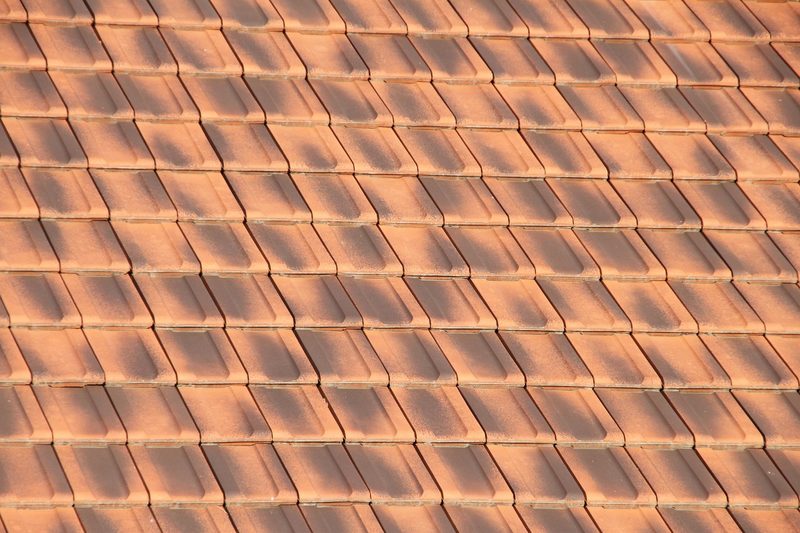
Every hip and ridge tile on an older bungalow was bedded in sand and cement. After 40-plus years of Swindon frosts, often 40-50 nights a winter out on the edges of town, that mortar cracks and lets go. We regularly find hip tiles held on by gravity alone. Current British Standards have required hip and ridge tiles to be mechanically fixed since 2014, so any re-bed now should include clips or screws, or a dry-fix system.
Rotten felt at the eaves
The original bitumen felt sags between the rafters and rots where it dips into the gutter. Once it's gone at the eaves, wind-driven rain gets behind the fascia and runs down the inside of the wall. This is probably the most common reason older bungalows get damp patches high on bedroom walls.
Worn tiles and poor fixings
Concrete tiles slowly lose their surface coating, grow moss and become more porous. Many 1960s-70s roofs were also only nailed every few courses, or not at all in the middle of each slope, which leaves them vulnerable when a storm comes through from the south-west.
Bungalow Roof Repairs in Swindon: What Can Be Fixed and What It Costs
Plenty of bungalow roofs don't need replacing yet. If the tiles are sound and the problem is local, a repair costing a few hundred pounds can buy you another 5-10 years. Typical 2026 Swindon prices:
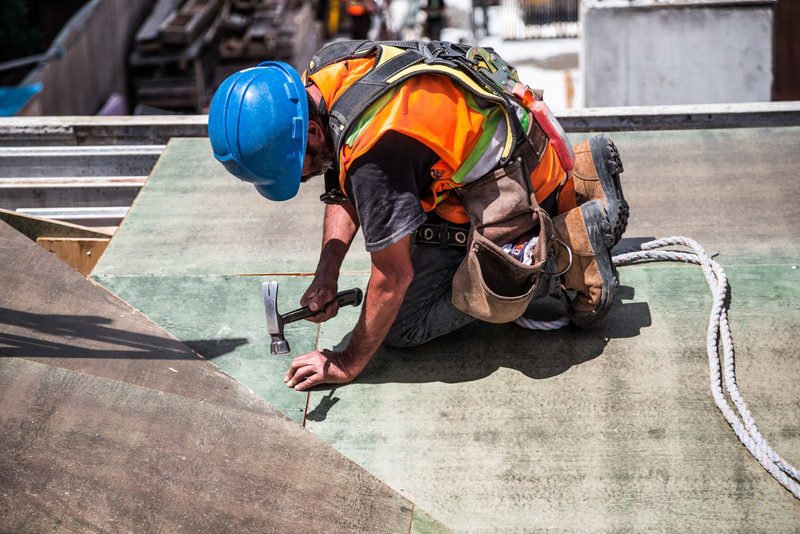
- Replacing 3-6 slipped or cracked concrete tiles: £150-£350
- Re-bedding or dry-fixing all hips and ridge on a hipped bungalow: £700-£1,600
- Eaves felt repair with eaves trays along one side: £300-£800
- Re-flashing a single chimney stack: £350-£750
- New fascias, soffits and gutters all round: £2,000-£3,800
The low height keeps these prices down. On a two-storey house, a scaffold alone can add £800-£1,500 to a hip repair. On a bungalow, it's usually ladders and a roof ladder, and a two-person team can often finish in a day or two.
We'd point you towards repair when the felt is only failing at the eaves, the tiles still ring solid when tapped and the roof timbers are dry. Patching the same roof three times in five years is the sign you've moved past that point.
Repair or Bungalow Roof Replacement? How to Decide
It mostly comes down to the tiles, the felt and how much of the roof is affected. As a rough rule, if more than 20-25% of the roof needs attention, or the felt has failed across whole slopes, a re-roof usually works out cheaper over 10 years than a run of repairs.
Concrete interlocking tiles tend to last 40-60 years before the surface wears and they start soaking up water. Bitumen felt usually gives out first, often at 30-40 years. On a 1970s bungalow, that means the felt is likely past its best even if the tiles look fine from the drive. We lift a few tiles at the eaves to check. It takes 20 minutes and tells you far more than squinting up from the drive.
How old is your roof, really?
Swindon's housing changes sharply from one estate to the next, and so does the age of what's on top. We've covered this in more detail in our guide to how long a roof lasts in Swindon by housing era, which is worth reading alongside this one if your bungalow has never been re-roofed. If your deeds or the previous owner can't tell you, the tile type and the felt underneath usually narrow it down to within a decade.
Upgrading Insulation While the Roof Is Off
A re-roof is the cheapest moment you'll ever get to improve a bungalow's insulation. With so much roof over a single storey, it pays off more than on most houses. In a poorly insulated bungalow, a quarter or more of the heat you pay for goes straight up through the ceiling.
Building regulations treat a re-roof as renovating a "thermal element". In practice, that means the roof should be brought up to current insulation standards where it's practical and pays for itself in a reasonable time. The details are set out in Approved Document L on the conservation of fuel and power, and replacing more than a quarter of a roof's covering normally needs building control sign-off. A good roofer will handle that notification for you.
For a standard bungalow with a cold loft, the upgrade is usually simple: top the loft up to 270-300mm of mineral wool while the roof is open, fit a breathable membrane and make sure the eaves are vented so the loft stays dry. That adds around £400-£900 to the job. Swindon lofts suffer a lot from condensation in the long damp winters, so ventilation matters just as much as the depth of insulation.
Chalet Bungalows and Rooms in the Roof
Chalet bungalows, with bedrooms tucked into the roof and lit by dormers or roof windows, are a different job again. Swindon has plenty of them, some built that way and many converted later. The roof is steeper, often 35-45 degrees, and it has dormer cheeks, valleys and more flashings, all places where water can find a way in.
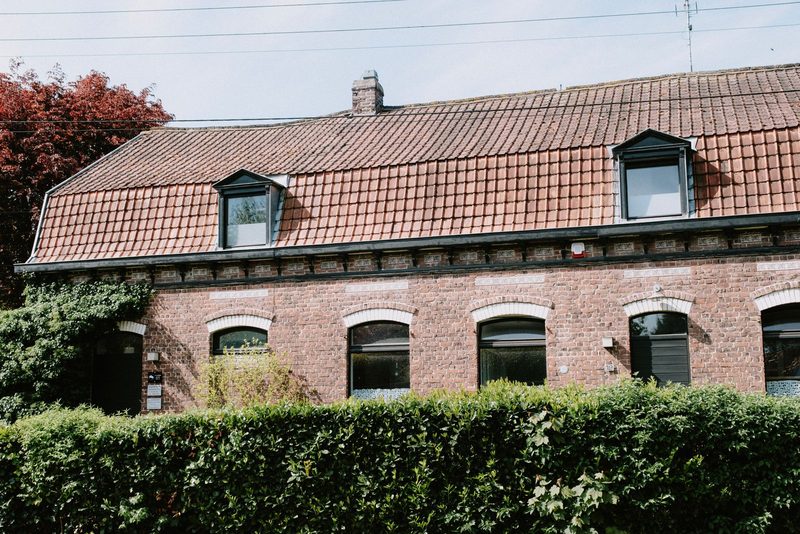
Insulation is the hard part. Sloping ceilings often have only 50-100mm of space between the rafters, which falls well short of today's standards. During a re-roof, there are two main options. Insulating over the rafters keeps your headroom but raises the roof surface by 100-150mm, which affects fascias and sometimes needs a word with the planners. Insulating under the rafters is cheaper but costs you 50-75mm of ceiling height in rooms that are already tight. We usually talk this one through in the actual bedroom, because 75mm sounds like nothing until you're standing where the ceiling slopes.
Expect a chalet bungalow re-roof to take 30-50% longer than a standard bungalow of the same footprint, and to cost more because of the dormers, valleys and extra lead work.
Bungalow Roof Replacement Costs in Swindon for 2026
These are typical 2026 prices for a full strip and re-roof in concrete interlocking tiles, including edge protection, new breathable membrane, treated battens, dry-fix hips and ridge, and skip hire:
- 2-bed hipped bungalow (roughly 85-100m² of roof): £7,000-£10,500
- 3-bed hipped bungalow (roughly 110-140m² of roof): £9,500-£14,500
- 3-bed gable-ended bungalow: around 10% less than the hipped version
- Chalet bungalow with 2 dormers: £12,000-£19,000
Common extras:
- Loft insulation top-up to 300mm: £400-£900
- Replacing rotten rafters or wall plate sections: £300-£1,500 depending on extent
- New fascias, soffits and gutters, done at the same time: £1,800-£3,500
- Over-rafter insulation on a chalet bungalow: £2,500-£5,000
A 2-bed bungalow re-roof usually takes 4-7 working days and a 3-bed 6-10. Swindon has a reasonable number of roofers, but good firms tend to book up 3-6 weeks ahead from spring to early autumn, and storm damage in the winter pushes non-urgent jobs back. Getting quotes in late winter for a spring start is usually the easiest way to get the date you want.
Choosing Tiles for a Bungalow Re-Roof
Most Swindon bungalow owners go back to concrete interlocking tiles. They weigh around 45-50kg per m², your roof timbers were designed for exactly that load, and they're the cheapest pitched-roof covering per square metre. A new concrete roof is also fixed far better than the original, with every tile clipped or nailed rather than one course in three.
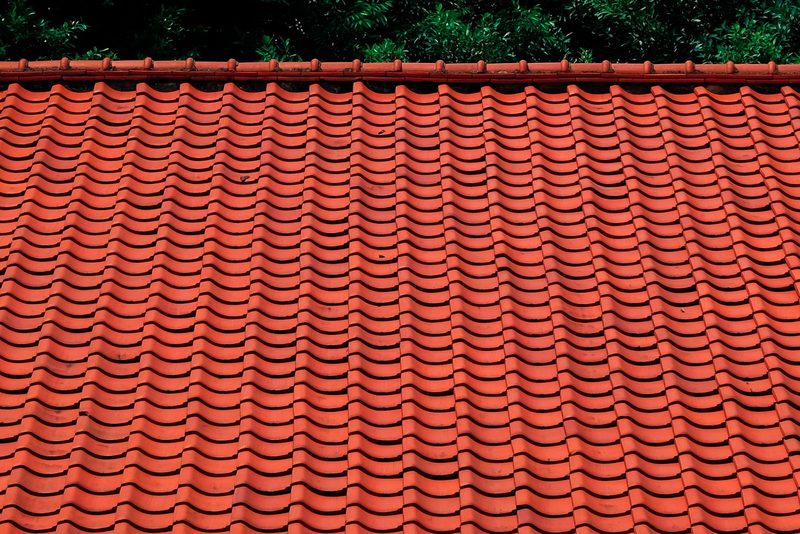
Changing material is possible but needs thought. Clay plain tiles weigh more, around 65-75kg per m², and need a pitch of at least 35 degrees, which rules them out on most low-pitched bungalows. Lightweight tiles and some artificial slates go the other way at 20-30kg per m². Those can suit a bungalow with tired timbers, though some need a steeper pitch than an old concrete roof was built for. Re-roofing in a similar-looking material doesn't normally need planning permission, but the Planning Portal's guidance on roof works explains when it might, such as in a conservation area or if the roof height changes.
Frequently Asked Questions About Bungalow Roof Replacement in Swindon
How much does it cost to re-roof a bungalow in Swindon?
In 2026, a full re-roof in concrete interlocking tiles typically costs £7,000-£10,500 for a 2-bed hipped bungalow and £9,500-£14,500 for a 3-bed. Chalet bungalows with dormers usually run to £12,000-£19,000. Prices include edge protection, membrane, battens and waste.
Do you need scaffolding to re-roof a bungalow?
Usually not a full scaffold. Most bungalow re-roofs use a perimeter edge-protection scaffold, which costs around £600-£1,300. Small repairs such as replacing slipped tiles or re-bedding hips can normally be done from ladders and a roof ladder.
How long does a bungalow roof last?
Concrete interlocking tiles on a Swindon bungalow typically last 40-60 years. The original bitumen felt underneath often fails sooner, at around 30-40 years, so many bungalows from the 1960s-80s need at least eaves repairs even when the tiles still look sound.
Do I need building regulations approval to re-roof my bungalow?
Replacing more than a quarter of the roof covering normally needs building control sign-off, and the roof insulation usually has to be upgraded at the same time where practical. Most established roofers handle the notification as part of the job.
Ready to work with Roof Repairs Swindon?
Let's connect! We’re here to help.
Send us a message and we’ll be in touch.
Or give us a call today at 01793 939231
Agency Contact Form
More Marketing Tips, Tricks & Tools