Dry Verge and Dry Ridge in Swindon: Costs and Why They Beat Mortar
If you own a house in Swindon built any time in the last 40 years, there's a good chance your roof was finished with mortar along the ridge and the gable edges. It looks fine for a decade or so, then it starts to crack, crumble, and let go - and in Wiltshire's wind that means bits of pointing on the drive and, eventually, a tile in the garden. Dry verge and dry ridge systems fix that for good using mechanical clips instead of mortar. Fitting them costs roughly £45-£90 per metre, and while that's more than a fresh mortar job up front, mortar typically needs redoing every 10-15 years whereas a dry-fix system is rated for the full life of the roof. Around 8 in 10 ridge and verge failures on Swindon's 1980s-2000s estates come down to failed mortar, so this is one of the most common repairs local roofers get called out for. Here's how it works and what it costs.
What Dry Verge and Dry Ridge Actually Are
Mortar has held roof edges together for generations, but it was never really designed for the job - it's rigid, the roof moves, and eventually the two fall out with each other. Dry-fix systems replace wet mortar with plastic and metal components that clamp the tiles and ridge in place mechanically.
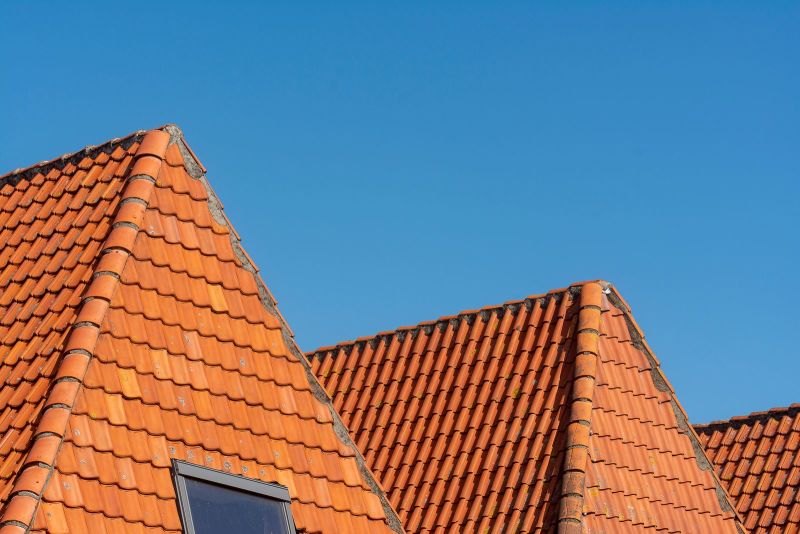
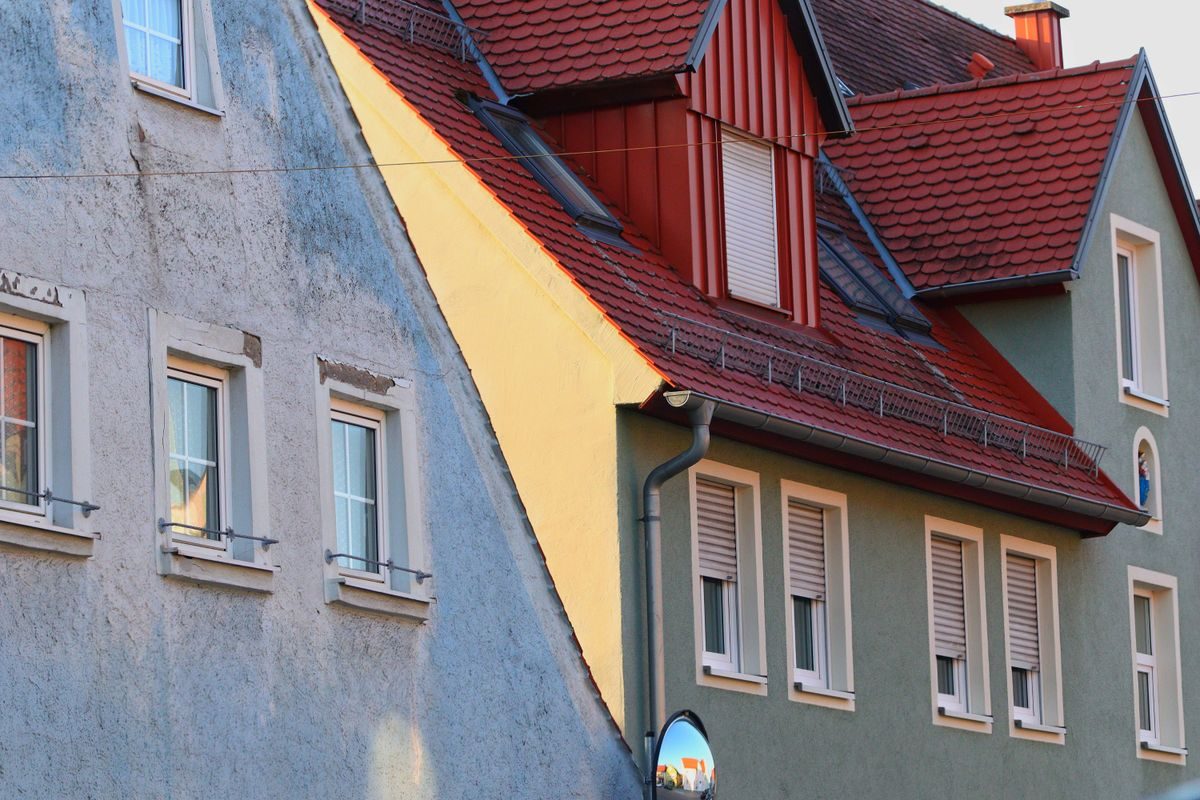
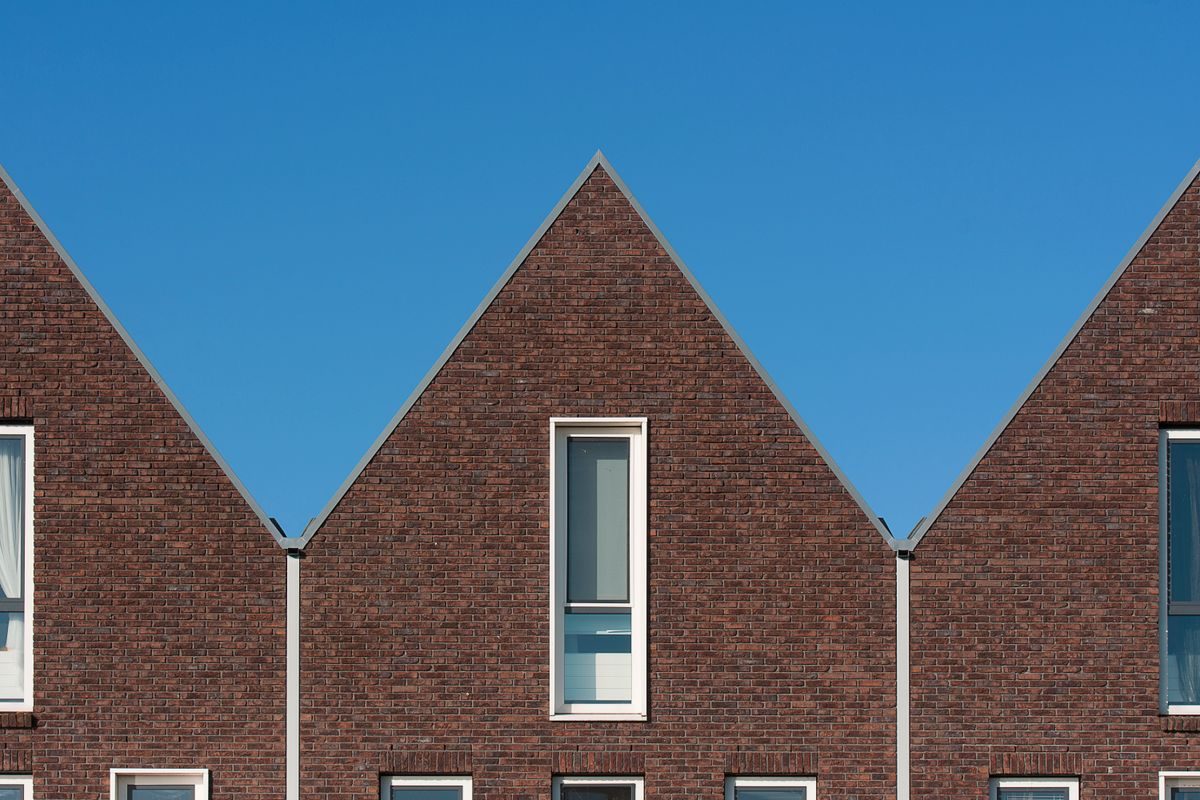
Dry verge caps the gable end - the sloping edge of the roof - with interlocking plastic units that screw down over each tile. Dry ridge secures the ridge tiles along the top of the roof using a ventilated roll, screws, and clamps instead of a bed of mortar. Both let the roof breathe, which matters because trapped moisture in the loft is a big driver of condensation and rot. If you want a firm that fits both and can tell you which your roof needs, Roof Repairs Swindon covers dry-fix work across the town and the surrounding Wiltshire villages.
The National House Building Council has required dry-fix ridge and verge on new-build roofs since 2015, which tells you where the industry has landed - mortar-only is now considered the weaker option on anything new.
Why Mortar Fails on Swindon Roofs
Swindon's housing gives mortar a hard time, and understanding why explains the appeal of dry-fix. The town isn't as sheltered as its inland position suggests - it sits in an open stretch of the upper Thames Valley where wind funnels across from the west with real force.
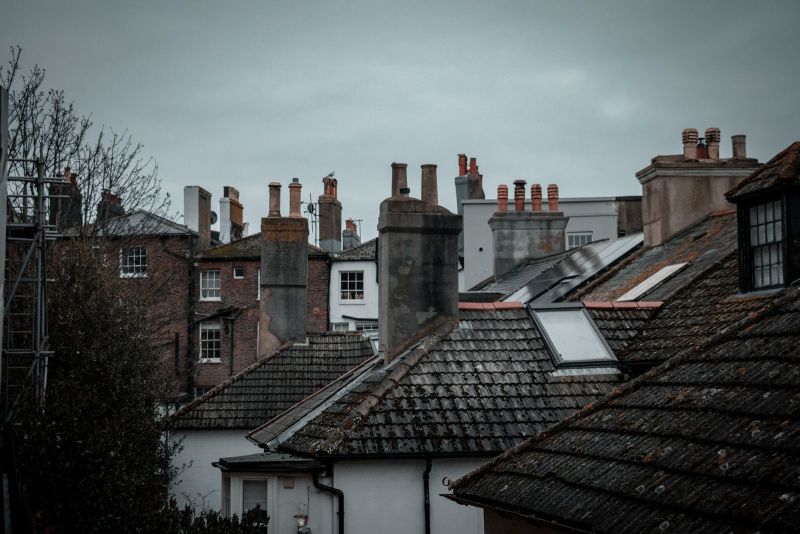
Mortar is a rigid material bonded to tiles that expand, contract, and shift with every hot day and cold night. Over roughly 10-15 years those tiny movements open hairline cracks, water gets in, frost widens them, and chunks start to drop. On the exposed gable ends common across estates like Freshbrook, Toothill, and Haydon Wick, wind-driven rain accelerates the process. Roofers in Swindon reckon a mortar verge on an exposed gable can start failing in as little as 8 years, against 15 or more on a sheltered mid-terrace.
The railway-era terraces around Rodbourne and the town centre have their own version of this - century-old mortar bedding that's long past its best. On these, re-bedding the ridge in mortar is still common, but more owners are switching to dry ridge when the work comes up because they'd rather not do it again in 15 years.
What Dry Verge and Dry Ridge Cost in Swindon
Here's how the numbers usually land locally, so you know what a fair quote looks like before you ring round.
Dry verge, fitted: £15 - £30 per metre for the units, £45-£70 per metre all in with labour and access.
Dry ridge, fitted: £50 - £90 per metre all in, including the ventilated roll, ridge tiles where needed, clamps, and scaffold or tower access.
Full ridge and both verges on a typical 3-bed Swindon semi: £600 - £1,400 depending on roof size, pitch, and access.
Re-bedding the same in mortar: £400 - £900 - cheaper today, but budget to repeat it in 10-15 years.
Access is a big swing factor. A simple bungalow or low semi reachable from a tower sits at the bottom of the range; a steep three-storey townhouse needing scaffold pushes toward the top. Most Swindon roofers quote per metre once they've seen the roof, so measure your ridge and gable lengths roughly before you call for a ballpark.
The Long-Term Cost Case for Dry-Fix
Up front, dry-fix costs more - there's no getting around it. But the sums change once you look past year one, and this is where it pays to think like an owner who'll still be in the house in 15 years.
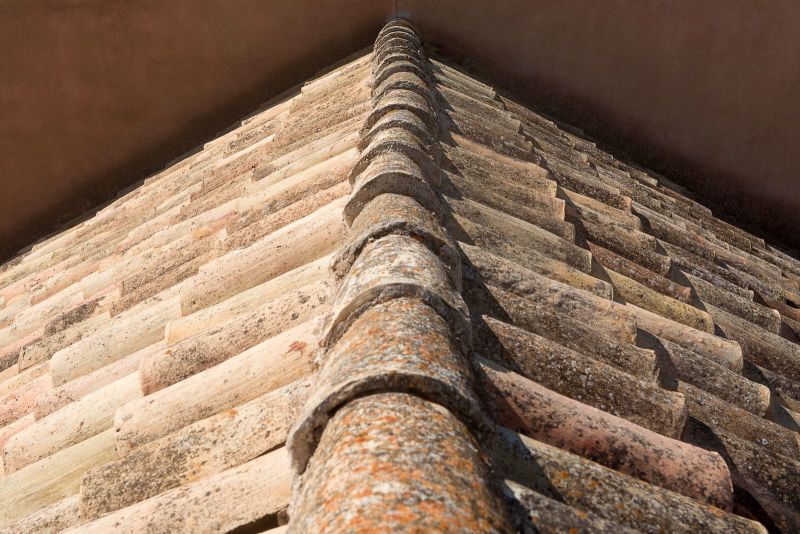
Say a dry ridge and two verges cost £1,000 and last the full 40-60 year life of a modern concrete tile roof with no maintenance. A mortar job at £650 gets you maybe 12-15 years before it needs redoing, and each redo means access equipment again. Over 40 years you'd likely pay for mortar three times - £1,950 or more in today's money - plus the odd emergency callout when a ridge tile comes loose in a storm. Dry-fix, once fitted, is close to zero upkeep.
There's a resale angle too. A surveyor noting dry-fix ridge and verge on a home-buyer report reads it as a roof that's been properly future-proofed, which is a small but genuine plus when Swindon buyers are comparing similar houses. Mortar showing cracks, by contrast, often gets flagged as a near-term cost.
Ventilation and Building Regulations
Dry ridge does something mortar can't, and it's worth knowing because it ties into building regulations. The ventilated ridge roll built into a dry ridge system lets warm, damp air escape from the loft at the highest point of the roof.
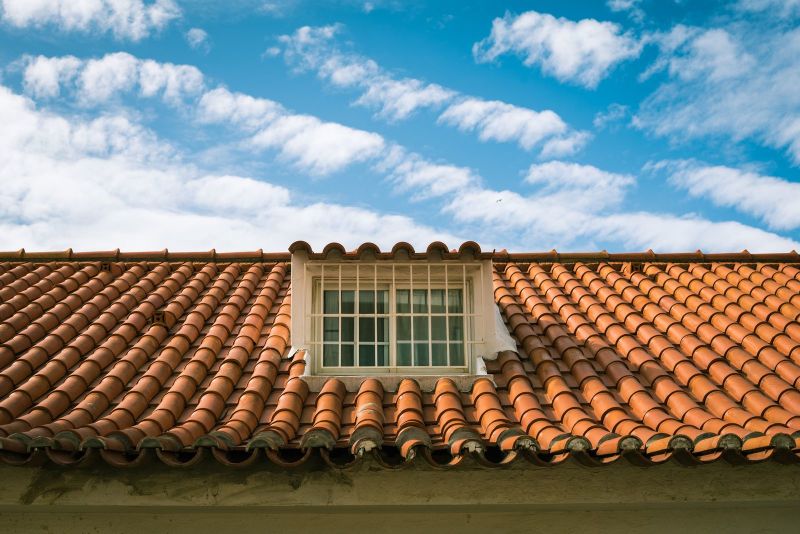
Modern homes are far better sealed than older ones, which is great for heating bills but means moisture from cooking, washing, and breathing has fewer ways out. Trapped in a cold loft it condenses on the timbers and can cause rot and mould over time. Roof ventilation requirements are set out in the government's guidance under Approved Document C on resistance to moisture, and a ventilated dry ridge is one of the cleaner ways to meet the intent of it. On Swindon's well-insulated newer estates especially, this ventilation benefit is a real reason to choose dry ridge over a solid mortar bed even where the mortar isn't failing yet.
For older terraces being upgraded, adding a ventilated dry ridge during a re-roof is a sensible moment to bring loft ventilation up to modern standards in one go.
Choosing a Roofer for Dry-Fix Work in Swindon
The fit matters as much as the components, because a dry-fix system only performs if it's installed to the manufacturer's spec. A verge unit fitted loose or a ridge roll that isn't sealed at the ends will let wind and water in just like failed mortar.

Swindon sits on the M4 corridor with a healthy supply of roofing trades serving Wiltshire, so you have options - which means it pays to compare two or three quotes and check what's actually included. Ask whether the price covers a proper ventilated ridge roll or a cheaper foam alternative, and whether the units are a recognised brand with a warranty. Look for membership of a recognised trade body; you can read what good practice looks like in the National Federation of Roofing Contractors' guidance on choosing a roofing contractor before you commit. We've also covered how to read a roof survey and spot ridge problems early in our guide to ridge tile repairs in Swindon, which is worth a look if you're not sure whether your ridge needs attention yet.
Whichever firm you pick, insist on a written quote that itemises the system, the access method, and the warranty. Dry-fix should be a fit-and-forget job - make sure the paperwork backs that up.
---
FAQ
Q: How much does dry verge and dry ridge cost in Swindon?
A: Dry verge fitted usually costs £45-£70 per metre all in, and dry ridge £50-£90 per metre including the ventilated roll and access. A full ridge plus both verges on a typical 3-bed Swindon semi runs £600-£1,400 depending on roof size, pitch, and how the roof is reached. Mortar is cheaper up front at £400-£900 but needs redoing every 10-15 years.
Q: Is dry ridge really better than mortar?
A: For most Swindon roofs, yes. Mortar is rigid and cracks as the roof moves, typically failing within 10-15 years and sooner on exposed gables. Dry-fix uses mechanical clips rated for the full 40-60 year life of a modern tile roof, needs almost no maintenance, and its ventilated ridge roll helps prevent loft condensation. It costs more up front but usually works out cheaper over the life of the roof.
Q: Do I need dry verge on an older Swindon terrace?
A: You don't have to have it, but it's a sensible upgrade when the mortar is failing anyway. Many railway-era terraces around Rodbourne and the town centre still carry original mortar bedding that's well past its best. Switching to dry ridge or dry verge during that work means you won't need to redo it again in 15 years, and it brings loft ventilation up to modern standards.
Q: Does dry ridge help with condensation in the loft?
A: Yes. A dry ridge system includes a ventilated roll that lets warm, damp air escape at the top of the roof, which a solid mortar bed blocks. On Swindon's well-sealed modern estates this matters, because trapped moisture from everyday living can condense on cold loft timbers and cause rot or mould. Better ventilation is one of the main reasons to choose dry ridge even when the mortar isn't cracked yet.
---
Ready to work with Roof Repairs Swindon?
Let's connect! We’re here to help.
Send us a message and we’ll be in touch.
Or give us a call today at 01793 939231
Agency Contact Form
More Marketing Tips, Tricks & Tools