How Swindon's Wet Winters Are Damaging Local Roofs (And What to Do About It)
Swindon gets roughly 700mm of rain a year, spread across 130 to 140 wet days between October and March. That's not a few heavy storms — it's five solid months of your roof sitting damp. Local contractors see leak and storm-damage callouts climb by around 40% over winter, and once you add the south-westerly winds that sweep in across the Wiltshire plains, you've got a slow grind that wears roofs down faster than most homeowners expect. Here's what's actually happening up there, and what you can do about it before the next downpour catches you out.
Why Swindon Is Harder on Roofs Than the UK Average
The UK averages around 885mm of rain a year. Swindon isn't far behind on the total, but the totals aren't really the problem — it's the pattern. Long, soaking spells rather than quick showers that come and go.
Swindon's wet season tends to run two to three weeks longer than the national average, with low-pressure systems parking over the region from November through February. Materials stay waterlogged for longer, and around 1 in 4 winter repair callouts here trace back to prolonged damp rather than a single storm event.
Compare that to homes in the east of England, which often see 30% fewer wet days a year. If you're in Swindon, that gap alone is reason enough to inspect twice a year rather than once.
What the Damp Actually Does to Your Roof
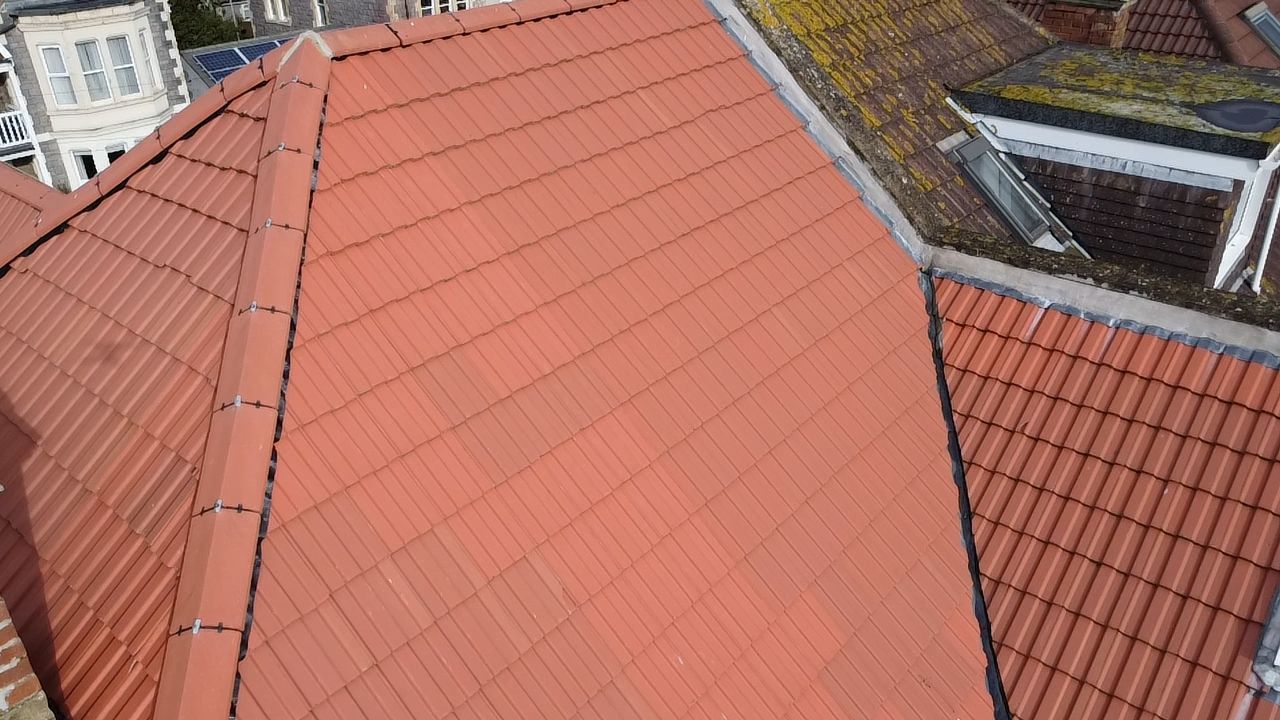
Water doesn't stay on the surface. It works into joints, flashing, and underlay, and South West roofing surveys suggest tiles exposed to repeated freeze-thaw cycles wear out up to 25% faster than in drier regions.
Swindon typically gets 15 to 20 days of ground frost each winter. Water gets into a hairline crack, freezes, expands. That's it — that's the whole mechanism. A crack that might survive several seasons somewhere drier can fail in a single Swindon winter.
Flat and low-pitch roofs take the worst of it. They're common on extensions and older terraced houses across the town, and roughly 35% of the winter repair jobs we see involve flat-roof drainage problems where water's been sitting for days during a wet spell.
The Roofer Shortage Nobody Mentions Until It's Too Late
Here's something most guides skip: there aren't enough roofers to go round. The South West is estimated to be short by around 15-20% of the tradespeople needed to meet seasonal demand, and Swindon feels that pinch as much as anywhere.
It gets worse exactly when you'd expect — November to February, when calls spike and availability drops. Wait until you've got a leak and you could be looking at a 1-2 week wait for a non-emergency slot. Book in early autumn instead and you're often looking at days, not weeks.
Things You Can Check Yourself Before Winter Sets In
You don't need a full roof replacement to get ahead of most of this. Clear your gutters and downpipes — blocked guttering alone accounts for an estimated 20% of winter leak callouts in the area. Check the flashing around chimneys and joints, since that's where ageing seals give way first. Look out for slipped or cracked tiles after windy spells; one displaced tile is enough to let real water in during a storm.
A 30-45 minute pre-winter inspection catches most of this while it's still cheap to fix. If you spot damp patches on ceilings, daylight in the loft, or tiles sitting in the guttering after a storm, don't sit on it — roofs that go unchecked through a Swindon winter are, on average, three times more likely to need a full section replacement by spring.
A Quick Note on Planning Rules
If the work goes beyond like-for-like repair — different materials, a changed roofline, anything on a listed building or in a conservation area near the town centre — it's worth a quick check with Swindon Borough Council on whether planning permission or building regs apply. Most straightforward repairs won't need it. Older housing stock is where this tends to come up, so it's worth ten minutes of checking before work starts.
Swindon's winters are longer and wetter than the UK average, the trade shortage is real, and most of the damage is preventable if you get ahead of it. A morning spent on gutters and an afternoon booked in for an inspection now will save you a much worse phone call in January.
FAQ
Q: How often should I get my roof inspected in Swindon? A: Given Swindon's longer wet season and higher number of frost days compared to the UK average, we recommend an inspection every 6 months — ideally once in early autumn and again in spring.
Q: Why do flat roofs struggle more in Swindon's winters? A: Flat and low-pitch roofs are prone to standing water, and around 35% of winter repair callouts in the area involve drainage issues on flat roofs caused by prolonged heavy rain.
Q: How far in advance should I book a roof repair before winter? A: Ideally by early autumn. Local roofer shortages mean waiting times during peak winter months (November to February) can stretch to 1-2 weeks, compared to just a few days in milder seasons.
Q: Do I need planning permission for roof repairs in Swindon? A: Most like-for-like repairs don't require planning permission, but changes to materials, roofline, or work on listed/conservation area properties may need approval from Swindon Borough Council. It's worth checking before starting work.
Ready to work with Roof Repairs Swindon?
Let's connect! We’re here to help.
Send us a message and we’ll be in touch.
Or give us a call today at 01793 939231
Agency Contact Form
More Marketing Tips, Tricks & Tools