Loft Condensation and Roof Ventilation in Swindon: Causes and Fixes
If you've climbed into the loft to fetch the Christmas decorations and found the underside of the felt dripping, your first thought is probably a leak. It usually isn't. Loft condensation affects an estimated 1 in 5 UK homes, and it's a ventilation problem, not a roofing failure. A typical family of four puts 10-15 litres of moisture into the air of their home every single day - cooking, showers, drying washing on radiators - and warm moist air rises. When it reaches a cold loft and hits felt or timber sitting at outside temperature, it condenses, exactly like a cold beer glass on a summer day. In Swindon, where winter humidity regularly sits above 85% and the town's mix of railway-era terraces and tightly-built modern estates both have their own ventilation quirks, the problem peaks between November and March. Here's why it happens and what actually fixes it.
How to Tell Condensation From a Leak
The two get confused constantly, and the fix for each is completely different, so it's worth getting the diagnosis right before spending money.
Condensation shows up as an even film of moisture or frost across large areas of the felt underside, water droplets on nail points poking through the roof, damp loft insulation across a wide area, and black spot mould on rafters or stored boxes. It's worst on cold clear mornings after a mild damp evening, and it often affects the whole loft roughly equally.
A leak is localised. One wet patch, a drip line traceable to a specific tile, flashing, or valley, staining that follows one rafter, and it gets worse during and after rain rather than on cold dry mornings. If your damp loft correlates with weather cold snaps rather than rainfall, you're looking at condensation. If you're genuinely unsure, Roof Repairs Swindon inspects lofts across the town and can tell you in one visit whether you need ventilation or a repair - it's a far cheaper question to answer early than after the timber has started to rot.
Why Swindon Homes Get It
Swindon's housing stock splits broadly into two groups, and both have condensation risk baked in - just for opposite reasons.
The railway-era terraces
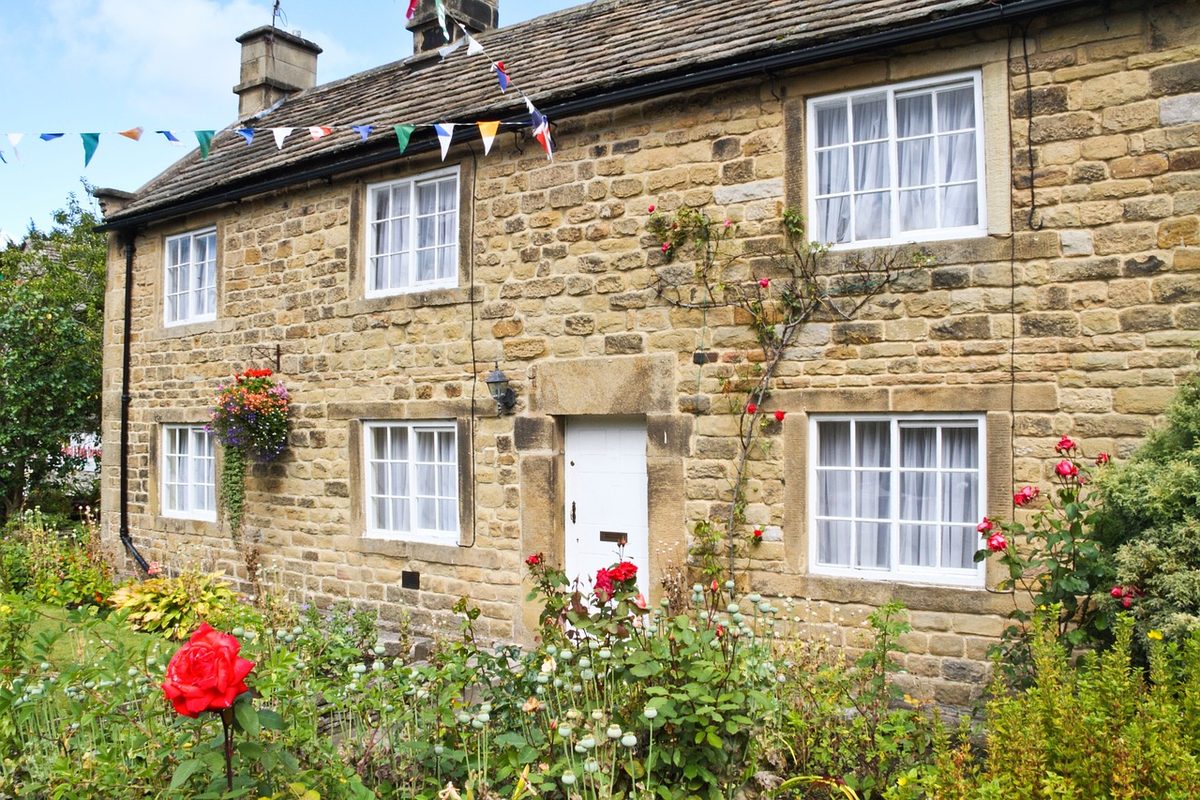
The Victorian and Edwardian terraces around the town centre were built with no felt at all - air moved freely through the tile gaps and the lofts stayed bone dry. Problems arrived when these roofs were re-covered in the 20th century with non-breathable bituminous felt. That sealed the loft, and many were never given vents to compensate. Add 100mm+ of modern loft insulation, which makes the loft space colder than it has ever been, and you've built a condensation trap. A loft that sat at 8-10°C before insulation might now sit at 2-4°C in January - well below the dew point of the house air rising into it.
The 1980s-2000s estates
Swindon grew enormously in the 80s, 90s and 2000s, and those estate houses were built to increasingly airtight standards. Less air leakage means moisture generated indoors has fewer escape routes, so more of it heads up through the loft hatch and ceiling gaps. Many of these roofs have eaves ventilation that was adequate when built but has since been blocked by insulation pushed hard into the eaves during a top-up - which is the single most common cause we find on estate properties.
The Damage It Does If Ignored
Condensation feels harmless because there's no hole in the roof, but sustained winter wetting does real structural harm. Timber kept above roughly 20% moisture content becomes vulnerable to fungal decay, and a loft that runs wet from November to March gives rot four to five months a year to work. Rafter feet and batten fixings go first.
There's a health angle too. Mould spores from a damp loft migrate into bedrooms below, and damp housing is linked to a 30-50% increase in respiratory problems. Wet loft insulation also loses a large part of its effectiveness - so the condensation quietly pushes your heating bills up while it rots your roof. A ventilation fix costing a few hundred pounds protects against timber repairs that routinely run £2,000-£5,000.
What Actually Fixes It: Ventilation
The principle is simple - give the moist air a way out and dry air a way through. Building regulations set this out formally: Approved Document F of the Building Regulations covers ventilation requirements, and for cold pitched roofs the long-standing standard is ventilation equivalent to a continuous 10mm gap along both eaves, or 25mm for shallow pitches below 15 degrees.
In practice, the common fixes are:
Eaves or soffit vents - circular or strip vents in the soffit boards, £150 - £400 fitted for a typical semi. The workhorse solution for estate houses with blocked or missing eaves ventilation.
Tile or slate vents - individual vented tiles swapped into the roof covering, £80 - £120 each fitted, usually 2-4 per roof slope. Often the right answer for terraces with no soffits to vent through.
Ridge ventilation - a dry vented ridge system creating high-level airflow, £400 - £900 depending on ridge length. Best combined with eaves vents so air flows in low and out high.
Insulation rafter trays - plastic trays holding insulation back from the eaves to keep the airflow path open, £100 - £250 supplied and fitted. Frequently the whole fix on newer homes where the vents exist but got smothered.
A competent roofer will follow guidance from the National Federation of Roofing Contractors on ventilation and roofing standards rather than just bolting vents on at random - placement matters as much as quantity, because ventilation only works if air can actually cross the loft.
Cut the Moisture at Source Too
Ventilation handles the loft side, but you'll get a faster result if less moisture heads up there in the first place. The big wins cost almost nothing. Vent the tumble dryer outside or use a condenser model. Run extractor fans during and for 15 minutes after every shower - a single shower releases up to 1.5 litres of moisture. Avoid drying washing on radiators, which adds around 2 litres of water per load to the house air.
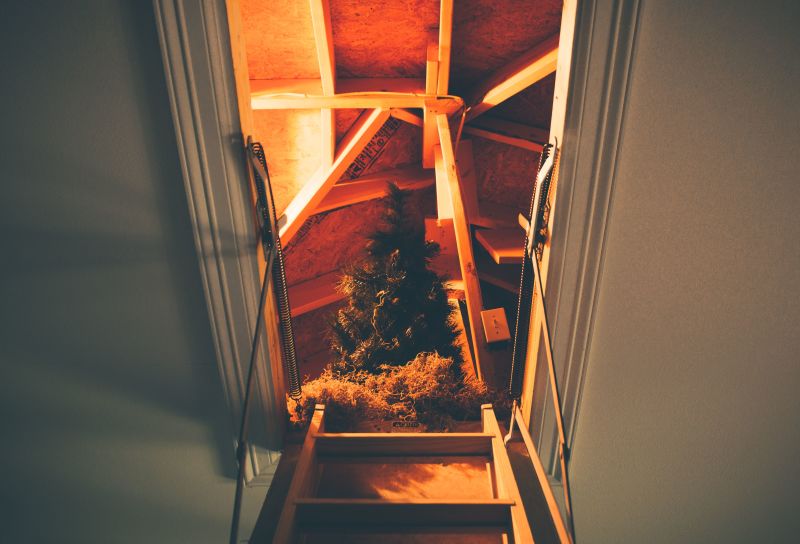
Two loft-specific culprits deserve special mention. Bathroom extractor fans ducted into the loft rather than through the roof or wall - depressingly common in Swindon's 1990s estates - pump moisture straight into the exact space you're trying to dry. And an unsealed or poorly fitting loft hatch acts as a chimney for moist air; a draught-proofed, insulated hatch costs under £30 in materials and makes a measurable difference.
Should the Roof Just Be Re-Felted?
If the loft has old non-breathable felt and the roof covering is nearing the end of its life anyway, replacing the felt with a modern breathable membrane during a re-roof solves the condensation problem at the structural level - breathable membranes let water vapour pass through while keeping rain out. But it's a re-roofing job, not a ventilation job, at £5,000+ for a typical Swindon terrace, so it only makes sense when the roof needs doing regardless. Nobody should strip a sound roof purely to cure condensation when £300 of vents will do it.
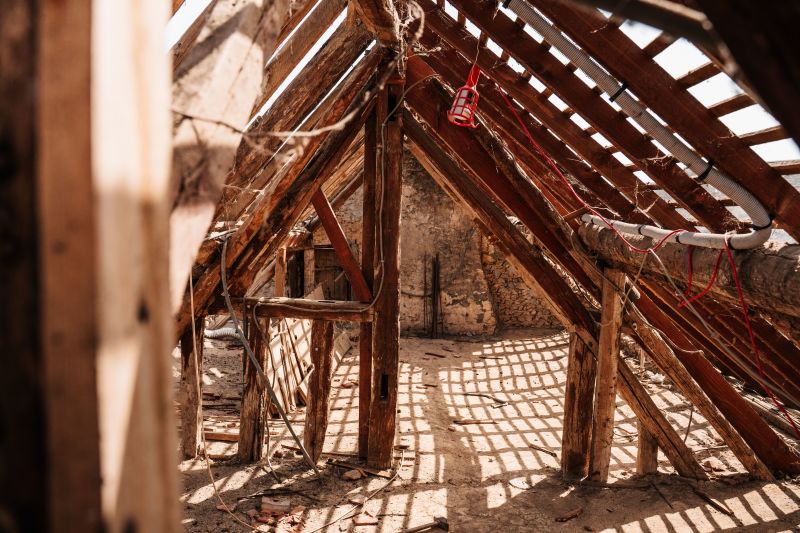
The age and condition of the felt is one of the things worth weighing when budgeting for roof work generally - our guide to roof repair costs in Swindon covers what the full range of jobs typically costs locally.
When to Get It Looked At
The window matters. Condensation is visible in winter and vanishes by May, which is why so many homeowners forget about it until the following December - by which point the timber has had another wet season. If you saw damp felt or mould last winter, get the ventilation sorted in autumn, before the cold weather arrives. Swindon's position on the M4 corridor means roofing trades are reasonably available here compared with rural Wiltshire, but autumn diaries still fill 2-3 weeks ahead once the first cold snap hits.

A ventilation assessment takes under an hour, the common fixes are done in a day, and the whole exercise typically lands between £150 and £900 - against thousands for rot repairs and a measurable chunk of your heating bill lost through wet insulation every winter you leave it.
---
FAQ
Q: Why is my loft wet in winter in Swindon?
A: Almost certainly condensation rather than a leak. Warm moist air from the house - a family of four generates 10-15 litres of moisture a day - rises into the cold loft and condenses on the felt and timber. It's worst on cold mornings, affects wide areas evenly, and correlates with cold snaps rather than rainfall.
Q: How do I tell loft condensation from a roof leak?
A: Condensation is spread evenly across the felt underside, worst in cold weather, often with droplets on nail points and black mould. A leak is localised to one spot, traceable to a tile or flashing, and gets worse during rain. If damp appears after cold clear nights rather than wet ones, it's condensation.
Q: What does fixing loft condensation cost in Swindon?
A: Soffit or eaves vents cost £150-£400 fitted, tile vents £80-£120 each, ridge ventilation £400-£900, and rafter trays to clear blocked eaves £100-£250. Most Swindon homes are fixed for between £150 and £900 - far less than the £2,000-£5,000 that rot repairs cost if it's left.
Q: Is loft condensation bad for my roof?
A: Yes. Timber kept above about 20% moisture content becomes vulnerable to rot, and a loft that runs wet from November to March gives decay months to work each year. Wet insulation also loses effectiveness, raising heating bills, and mould spores can affect the rooms below.
---
Ready to work with Roof Repairs Swindon?
Let's connect! We’re here to help.
Send us a message and we’ll be in touch.
Or give us a call today at 01793 939231
Agency Contact Form
More Marketing Tips, Tricks & Tools