Ridge Tile Repairs in Swindon: What Goes Wrong and What It Costs to Fix
Swindon's roofscape reflects the town's rapid growth over the last 60 years. There's a substantial amount of post-war housing from the 1950s, 60s, and 70s, particularly in areas like Walcot, Park North, and Penhill, and a more recent wave of development on the town's eastern and northern edges. These properties have different ridge tile arrangements and different materials, but they share the common characteristic of mortar-bedded ridge tiles that deteriorate over time at a rate that's driven by frost, thermal cycling, and general weathering.
Why Ridge Tiles Fail
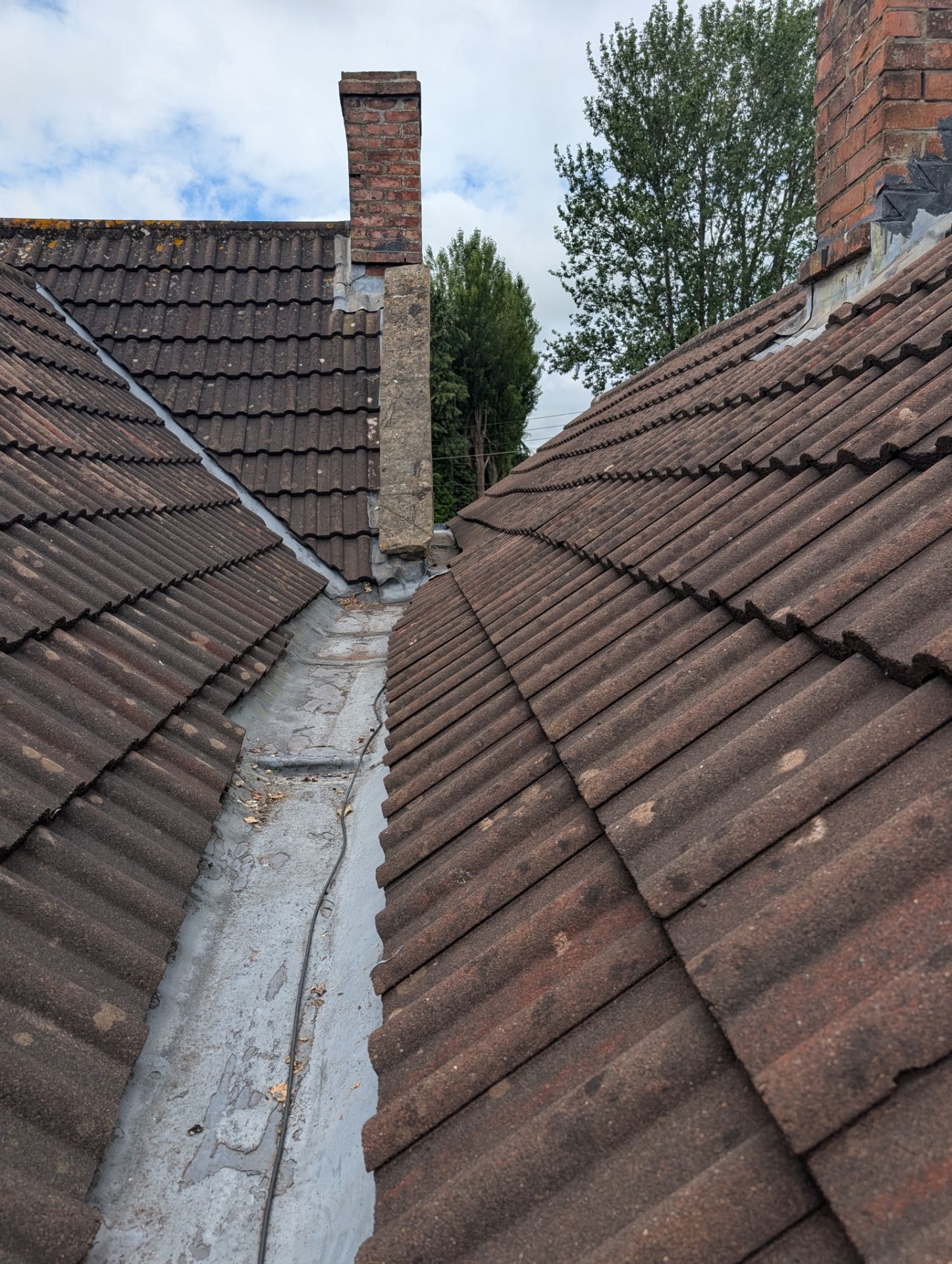
Ridge tiles sit at the apex of the roof, exposed to weather on all sides and to more temperature variation than any other element of the building. The mortar that beds them - the mortar collar on which they sit - and the pointing mortar that fills the joints between them are both subject to this exposure year after year.
Thermal cycling. Mortar expands and contracts with temperature changes. Over years, this cycling causes microcracks to develop, which then allow water in. Once water gets into the mortar, freeze-thaw in winter expands those cracks and the process accelerates.
Old or unsuitable mortar. Older properties in Swindon - particularly those built before 1970 - were often pointed with a lime-and-sand mortar. This is actually more flexible and weather-resistant than the stronger cement mortars used from the 1970s onwards, but it deteriorates through weathering rather than cracking. Strong cement mortars crack as they age and can also cause damage to older bricks by preventing natural movement.
Poor original installation. Some ridge tiles were bedded too thinly, without adequate back mortar, or without proper pointing between tiles. These failures show up earlier than properly installed work and are more difficult to address with a simple repoint.
How to Tell if Ridge Tiles Need Attention
From the ground, look for:
- Tiles that are visibly shifted, at a different angle to the rest, or sitting proud of the roof surface
- Visible gaps between tiles where pointing is missing
- Mortar debris on the tiles, in the gutters below, or on the ground
- Ridge sections where moss has grown in the joints (indicates mortar has been retaining moisture)
Close inspection from access (scaffold or tower) reveals additional detail - hollow pointing that sounds empty when tapped, crumbling mortar beds, and tiles that move when pressed.
What a Proper Repair Looks Like
Roof Repairs Swindon approaches ridge tile repairs with a distinction between two levels of work:
Repoint only. Where tiles are firmly bedded but pointing between them has deteriorated or is missing - rake out the old material, apply fresh mortar correctly, and seal the joints properly. This is the right intervention when the bed is still sound.
Re-bed and repoint, or dry-fix replacement. Where tiles are loose, have moved, or the bedding mortar has failed entirely - lift the tiles, clear the old bed, and either reset on fresh mortar or convert to a dry-fix mechanical system. Dry-fix is the current best-practice approach and removes the ongoing mortar-maintenance cycle for the replaced section.
What It Costs in Swindon
For a typical Swindon property:
- Access (scaffold tower or mobile scaffold): £150-£300
- Repoint ridge only: £180-£400 depending on length
- Re-bed and repoint: £350-£600 for a typical mid-terrace ridge
- Dry-fix ridge replacement: £450-£750
Longer ridges, hip tiles (present on many 1960s-70s Swindon properties with hipped rooflines), and difficult access increase the cost. Getting a quote that's based on an actual inspection from access rather than a ground-level estimate gives more reliable pricing.
We've also covered chimney repairs in Swindon- ridge and chimney repairs are often done at the same time, using the same access setup, which reduces the combined cost compared to two separate mobilisations.
FAQ
Q: Are loose ridge tiles dangerous in Swindon?
Yes - a ridge tile that's no longer properly bedded can be displaced in high winds and fall from height. This is a safety risk to anyone below. If you can see ridge tiles that have clearly moved, getting them secured promptly is worth doing regardless of budget constraints.
Q: What's the difference between a repoint and a re-bed on ridge tiles?
A repoint replaces the mortar between tiles without disturbing them - right when the tiles are still firmly bedded. A re-bed lifts the tiles, removes the old mortar, and resets them on a fresh bed - needed when tiles have moved or the bed has failed.
Q: Is dry-fix better than mortar for ridge tiles in Swindon?
Generally yes for new installation and replacement work. Dry-fix (mechanical fixing using brackets and battens rather than mortar) eliminates the mortar deterioration cycle, is the current recommended approach under BS 5534, and allows easier future tile replacement if needed.
Q: Can ridge tile repairs be done without scaffolding?
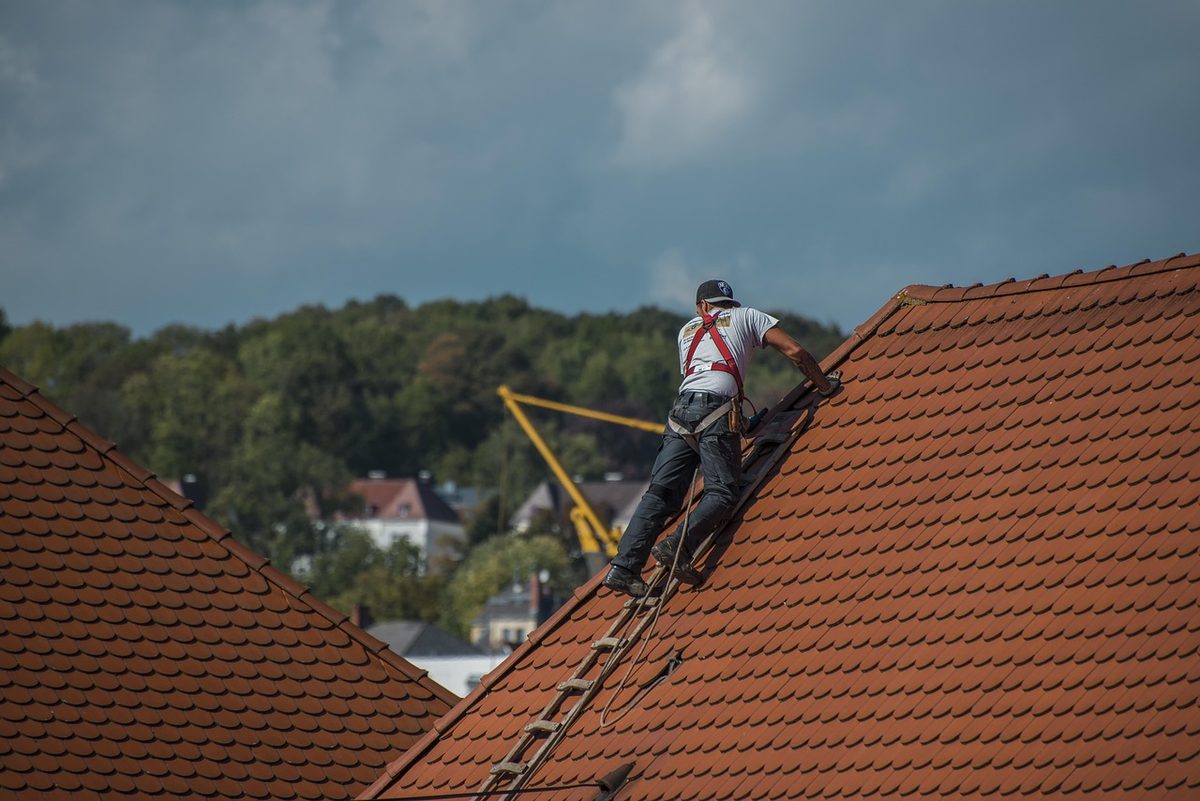
Not safely for a two-storey Swindon property. Safe working at height requires proper access - a scaffold tower, mobile scaffold, or erected scaffolding. A quote that doesn't include or account for access is worth querying.
Ready to work with Roof Repairs Swindon?
Let's connect! We’re here to help.
Send us a message and we’ll be in touch.
Or give us a call today at 01793 939231
Agency Contact Form
More Marketing Tips, Tricks & Tools