Tiled vs Slate Roofs in Swindon: Costs, Lifespan, and Which Suits Your Home
Choosing between a tiled and a slate roof in Swindon isn't just about looks - it's a decision that affects your budget by thousands and your roof's lifespan by decades. A concrete tiled roof typically lasts 40-60 years and costs from around £5,000-£9,000 to re-roof an average semi, while natural slate can last 80-100 years or more but often costs 50-80% more to install. Swindon's housing is unusually varied for a town its size, running from Victorian railway-era terraces still wearing their original Welsh slate to sprawling 1980s-2000s estates roofed almost entirely in concrete interlocking tile. That mix means the "right" answer genuinely depends on where you live and what's already up there. With Wiltshire seeing 110-120 rain days a year and stronger wind channelling than its inland spot suggests, roof durability is not a small consideration here. This guide compares the two on cost, lifespan, weight, and suitability.
The Two Materials at a Glance
Before comparing prices, it helps to know what you're actually choosing between, because "tile" and "slate" each cover a couple of distinct products. Getting the terms straight saves confusion when you're reading quotes.
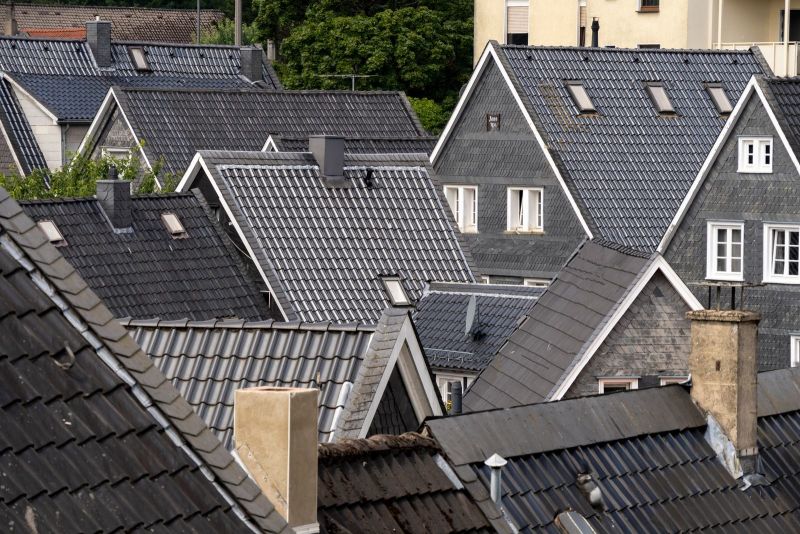
Slate comes in two forms: natural slate (a quarried stone, mostly Welsh or Spanish) and man-made fibre-cement or composite slate. Natural slate is the premium, long-life option with a lifespan of 80-100+ years; composite slate mimics the look at lower cost and weight, lasting around 40-60 years. Tiles also split two ways: traditional clay tiles (lasting 50-80 years) and the concrete interlocking tiles that dominate modern estates (40-60 years).
Weight is a big practical difference. Natural slate and clay are heavy but so are concrete tiles - concrete is actually among the heaviest at roughly 45-55 kg per square metre. Composite slate is the lightweight outlier at around 12-20 kg per square metre, which matters if your roof structure is borderline. Around 8 in 10 modern Swindon estate homes carry concrete interlocking tile as standard.
How Costs Compare in Swindon
Cost is usually the deciding factor, so here's how the two stack up locally. Re-roofing prices depend on the roof size, pitch, access, and how much of the timber underneath needs replacing.
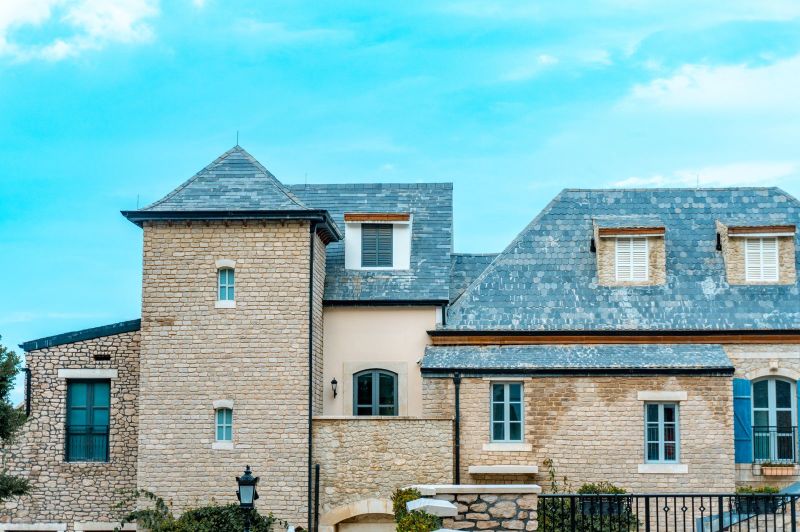
Concrete interlocking tile re-roof (average semi): £5,000 - £9,000.
Clay tile re-roof (average semi): £7,000 - £12,000.
Composite / fibre-cement slate re-roof: £6,000 - £11,000.
Natural slate re-roof (average semi): £9,000 - £16,000.
The gap is real: natural slate typically costs 50-80% more than concrete tile for the same roof, driven by the material price and the extra labour skill needed to fix slate by hand. On a Victorian terrace in Rodbourne or the town centre, though, you may have less choice than you'd like - conservation expectations and the existing look often push you back towards slate. It's always worth getting two or three itemised quotes; the spread on a like-for-like Swindon re-roof can easily be £2,000-£3,000 between firms.
Lifespan and Long-Term Value
A cheaper roof that needs replacing sooner isn't always the bargain it looks. This is where the maths gets interesting, because the longest-lasting option can work out cheapest per year.
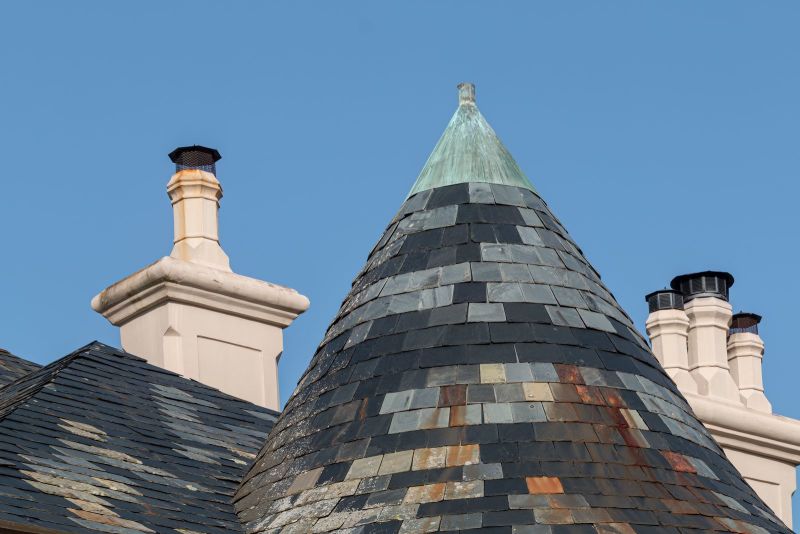
Natural slate's 80-100+ year lifespan means a Victorian Swindon terrace roofed in Welsh slate in 1900 may only now be reaching the end of its first covering - often failing through "nail sickness" (corroded fixings letting slates slip) rather than the slate itself wearing out. Spread over a century, its higher upfront cost can work out at a lower annual cost than tile. Concrete tile, at 40-60 years, will typically need replacing once or twice in the same span.
That said, few homeowners plan around a 100-year horizon. For a family in a 1990s Freshbrook or Abbey Meads semi expecting to move within 10-15 years, a quality concrete tile re-roof at 40-60 years' life is perfectly sensible value. Roughly 3 in 4 buyers rate a recently re-roofed home more favourably regardless of the material, so condition often matters more to resale than the covering itself.
Weight, Structure, and Building Regulations
The roof structure sitting under your tiles or slate quietly sets some of the rules, and it's the part that catches people out mid-project. You can't always freely swap one material for another without consequences.
If you're changing to a heavier covering - say from composite slate to natural slate or concrete tile - the roof timbers may need strengthening to carry the load, which adds cost. A re-roof that changes more than 25% of the roof covering also usually triggers a requirement to upgrade the roof's insulation to current standards under building control. The official detail on when this applies is set out in the government's guidance on building regulations approval, and a good roofer will factor it into the quote rather than spring it on you.
Most straightforward like-for-like re-roofs don't need planning permission, being permitted development. The exception is if your home is listed or sits in a conservation area such as Old Town, where the roofing material can be controlled - always check with Swindon Borough Council's planning team before committing to a change of material in those areas.
Which Suits Swindon's Housing Stock
The single best guide to your choice is often the house itself, because Swindon's roofs cluster by era and area. Matching the covering to the property's age and street keeps it looking right and, on older homes, keeps the planners happy.
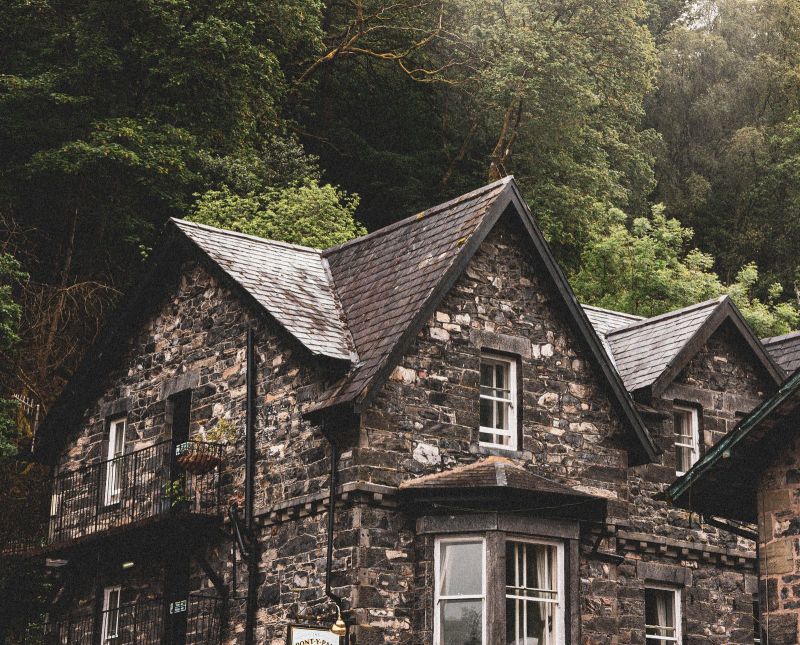
The railway-era terraces around Rodbourne, the town centre, and the Railway Village were built for the Great Western Works and mostly carry Welsh slate or clay plain tile. On these, natural or composite slate keeps the character intact and is often the expected choice. The interwar semis in Old Town and similar areas typically wear clay or early concrete tile, where a clay or concrete tile re-roof suits both budget and style.
The 1980s-2000s estates - Freshbrook, Toothill, Abbey Meads, Haydon Wick - are almost universally concrete interlocking tile, and there's rarely a good reason to switch. Sticking with concrete tile here is cheaper, matches the neighbours, and suits roofs that were designed for that weight. Choosing slate on one of these would look out of place and cost far more than the house style warrants.
Choosing a Roofer and Getting It Right
Whichever material you land on, the quality of the fitting matters as much as the covering itself - a badly laid slate roof will leak long before a well-laid tile one. Swindon sits on the M4 corridor with a healthy supply of roofing trades serving Wiltshire, so you're not short of options, and that competition works in your favour when comparing quotes.
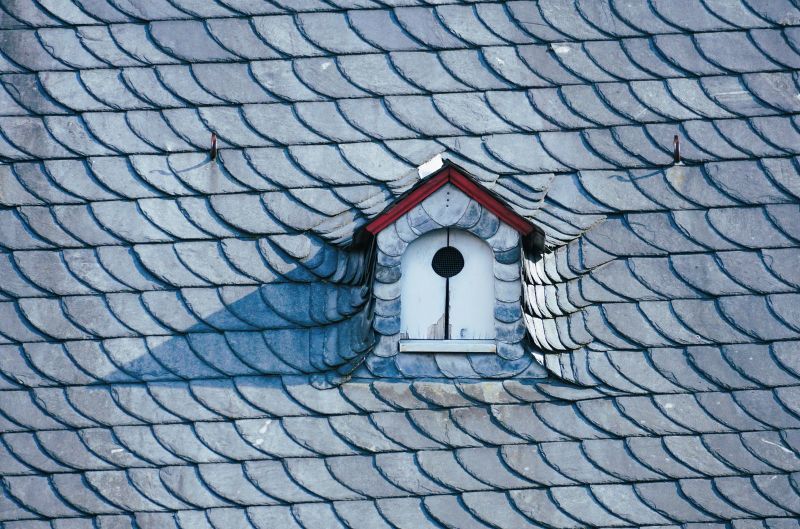
Slate in particular is a skilled hand-fixing job, so check the roofer has genuine slating experience and photos of similar local work, not just tile jobs. Look for membership of a recognised trade body and an insurance-backed guarantee; the National Federation of Roofing Contractors sets standards its members work to, explained in the NFRC advice on choosing a roofing contractor, and you can verify a firm's credentials on the government-backed TrustMark register of tradespeople. We've written more on assessing roof condition and vetting contractors in our guide to roof survey costs in Swindon, which pairs well with this comparison.
Insist on a written, itemised quote covering the material, any timber and insulation work, scaffolding, and the guarantee. That's how you compare like with like and avoid the cheap quote that quietly leaves out the battens.
---
FAQ
Q: Is a slate or tiled roof cheaper in Swindon?
A: Concrete tile is the cheaper option - a concrete interlocking re-roof on an average semi runs £5,000-£9,000, while natural slate is typically £9,000-£16,000, around 50-80% more. Clay tile and composite slate sit in between at roughly £6,000-£12,000. The gap reflects both the material price and the extra hand-fixing skill slate needs.
Q: How long does a tiled roof last compared to slate in Swindon?
A: Concrete interlocking tiles last around 40-60 years and clay tiles 50-80 years, while natural slate can last 80-100 years or more. Composite slate matches tile at roughly 40-60 years. Natural slate's long life means its higher upfront cost can work out cheaper per year over a century, though most homeowners don't plan on that horizon.
Q: Can I change my Swindon roof from tile to slate or the other way round?
A: Often yes, but with conditions. A heavier covering may need the roof timbers strengthened, and a re-roof changing more than 25% of the covering usually triggers an insulation upgrade under building control. If your home is listed or in a conservation area like Old Town, the material can be controlled, so check with Swindon Borough Council's planning team first.
Q: Which roof suits my Swindon house best?
A: It usually follows the property's era. Railway-era terraces in Rodbourne and the town centre suit natural or composite slate to keep their character. Interwar semis in Old Town suit clay or concrete tile. The 1980s-2000s estates such as Freshbrook and Abbey Meads are almost all concrete interlocking tile, and there's rarely a good reason to switch material there.
---
Ready to work with Roof Repairs Swindon?
Let's connect! We’re here to help.
Send us a message and we’ll be in touch.
Or give us a call today at 01793 939231
Agency Contact Form
More Marketing Tips, Tricks & Tools