Roof Pointing and Mortar Repairs in Swindon: Costs and When It's Needed
The mortar holding your ridge tiles, verges, and flashings in place is doing a quiet but critical job, and when it starts to crumble it's often the first thing to let water in. In Swindon, re-pointing a roof line typically costs £15-£30 per linear metre, while fully re-bedding a ridge on an average semi runs £400-£900 depending on length and access. That's a fraction of what a leak-driven internal repair can cost. With Wiltshire recording around 110-120 rain days and 40-60 frost days a year, the freeze-thaw cycle that shatters old mortar gets plenty of practice here. Loose ridge tiles are also one of the most common storm-damage callouts in the area. This guide explains what roof pointing actually involves, when it's needed, what it costs locally, and how to spot mortar failure before it becomes a leak.
What Roof Pointing and Mortar Repairs Actually Cover
"Pointing" gets used loosely, so it helps to know exactly what a roofer means when they quote for it. The term covers several distinct jobs along the roof, each with its own price and purpose.
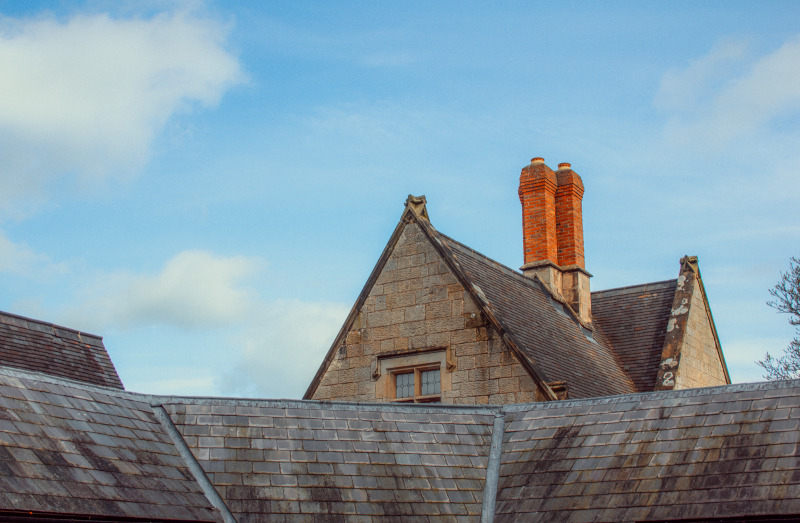
Ridge pointing (or re-bedding) is the big one - the mortar that beds and seals the ridge tiles running along the peak of the roof. Verge pointing seals the mortar at the gable ends, where the tiles meet the edge of the roof. Then there's the pointing around chimney flashings and any mortar fillets where the roof meets a wall. Roughly 7 in 10 mortar-related roof leaks in older Swindon homes start at the ridge or the chimney, the two spots that take the most weather. If you want a professional to identify which of these applies to your roof, you can arrange a look through the Roof Repairs Swindon website.
There's an important distinction between re-pointing and re-bedding. Re-pointing just renews the visible mortar joint, a lighter and cheaper fix. Re-bedding lifts the tiles and relays them on a fresh bed of mortar, which is what a ridge past a certain age genuinely needs.
The Signs Your Roof Mortar Is Failing
Mortar rarely fails overnight - it gives you plenty of warning if you know what to look for. Catching it early keeps you in re-pointing territory rather than facing a full re-bed or a leak repair.
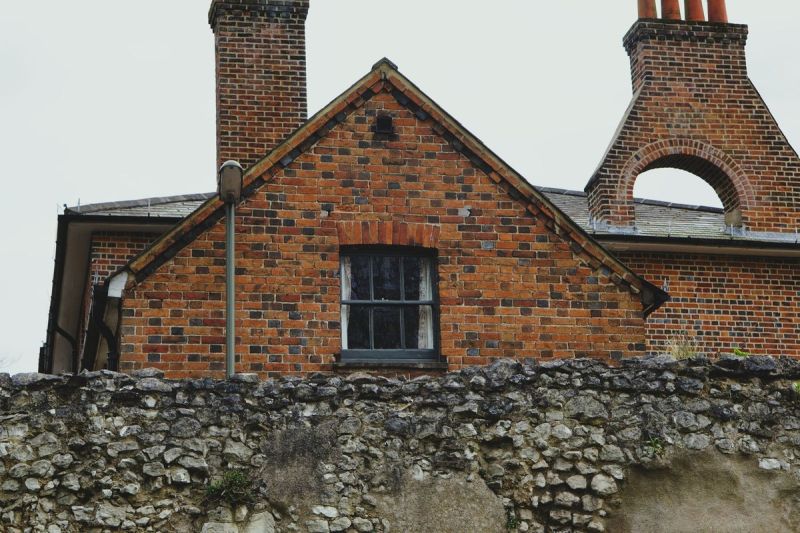
From the ground with binoculars, look along the ridge line for gaps, cracks, or chunks of mortar missing between the ridge tiles. Crumbling grey debris in the gutter or on the ground below the verge is a classic sign - that's your mortar washing away. Any ridge tile that looks slightly lifted, tilted, or out of line has almost certainly lost its bed and could shift in the next storm.
Inside, damp patches on upstairs ceilings near the chimney breast or close to the gable end often trace straight back to failed pointing. Around 40-60 frost days a year in the Swindon area drive the freeze-thaw cracking that does most of this damage - water gets into a hairline crack, freezes, expands, and levers the mortar apart a little more each winter. A ridge that was fine five years ago can be visibly gappy today.
What It Costs in Swindon
Here's how the numbers break down locally, so you can sense-check any quote you're given. Prices depend on the length of the run, the height and access, and whether you need simple re-pointing or a full re-bed.
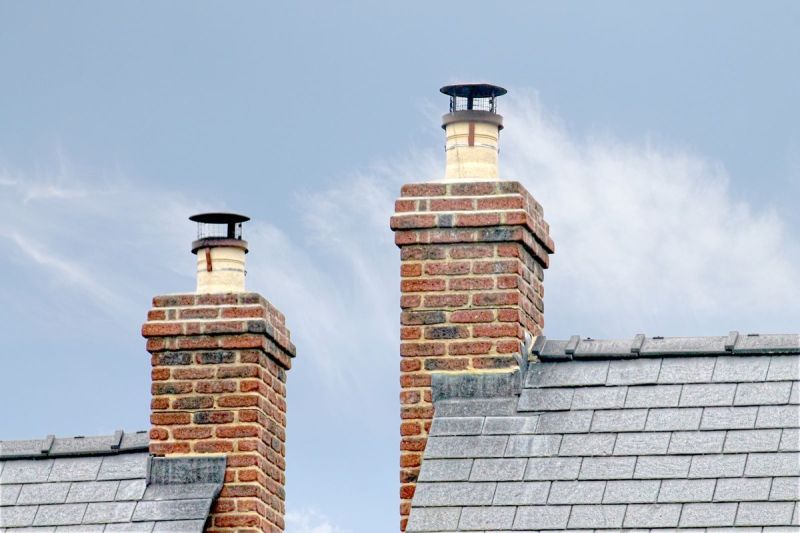
Straightforward re-pointing of a ridge or verge runs about £15-£30 per linear metre. Fully re-bedding a ridge on an average Swindon semi - lifting the tiles, cleaning them, and relaying on fresh mortar - typically comes to £400-£900. Re-pointing around a chimney stack usually costs £200-£500, and a full chimney re-point with flashing renewal can reach £600-£1,200. Small mortar fillet repairs might be £150-£300 as a minimum call-out.
Access is the swing factor, just as it is with any roof work. A single-storey extension ridge is cheap to reach, while a two-storey terrace in Old Town needing scaffolding can add £200-£500 to the bill. Getting two or three itemised quotes is worth the effort - the spread on the same job across Swindon firms can easily be a few hundred pounds.
How Swindon's Weather Drives Mortar Failure
The local climate is the main reason roof mortar in this area needs attention sooner than a quick glance would suggest. Knowing why helps you judge how urgent your own situation is.
The freeze-thaw cycle is the biggest culprit. With 40-60 frost days a year and frequent rain wetting the mortar beforehand, water repeatedly soaks in, freezes overnight, and expands, cracking the mortar from the inside out. The Met Office regional climate data for southern England shows the mix of wet and cold spells that makes this so effective at breaking down old lime and sand mortar.
Swindon's exposed spot on the M4 corridor adds wind-driven rain that forces water into joints from the side, not just from above. Loose or lifted ridge tiles then become a genuine hazard in the strong gusts the area gets - a dislodged ridge tile falling two storeys is exactly the kind of storm-damage callout local roofers see most after a bad winter. Older properties in Rodbourne, the Railway Village, and Old Town, often on soft lime mortar, are especially prone to this.
Modern Alternatives: Dry Ridge Systems
Traditional mortar isn't the only way to secure a ridge any more, and it's worth knowing the options before you commit to like-for-like. The choice affects both cost and how often you'll be back up there.
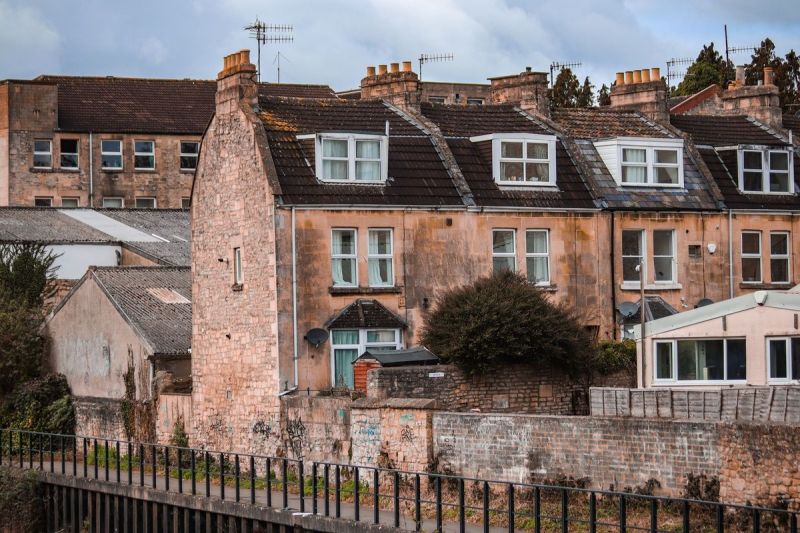
A dry ridge system fixes each ridge tile mechanically with screws and clamps rather than mortar, using a ventilated roll under the ridge. It costs more upfront - typically £45-£70 per metre installed versus mortar re-bedding - but it doesn't crack in the frost, needs no maintenance, and comes with warranties of 10-15 years. Since 2015, British Standard guidance has effectively pushed new-build and re-roof ridges towards dry fixing, so it's increasingly the default on the 1980s-2000s estates like Freshbrook and Haydon Wick when they come up for a re-roof.
For a period terrace where appearance matters, or a small isolated repair, traditional mortar re-bedding is often still the sensible and cheaper choice. A good roofer will tell you honestly which suits your roof rather than pushing the pricier option. We went into ridge tile repair and replacement in more depth in our guide to ridge tile repairs in Swindon, which pairs well with this one.
Getting the Job Done Properly
Mortar work looks simple but is easy to botch, and a poor re-point fails within a couple of winters. Knowing what good looks like protects you from paying twice.
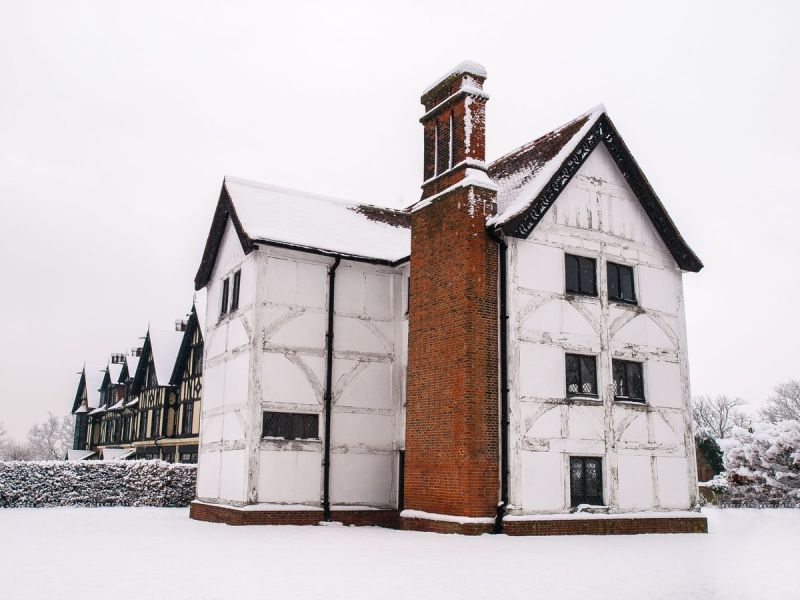
The mortar mix matters more than people realise. Too strong and it cracks away from the tiles as they move; too weak and it washes out. A decent roofer uses the right sand-to-cement ratio, often with a plasticiser, and on older lime-mortar homes may match a softer lime mix to avoid damaging the tiles. The joints should be struck cleanly and finished to shed water, not left rough and porous.
Timing and credentials round it off. Mortar needs a dry, frost-free spell to cure properly, so a reputable Swindon firm won't re-point in a hard frost or heavy rain - if one offers to, be wary. Always get a written, itemised quote and check the firm on the government-backed TrustMark register of approved tradespeople before work starts. Swindon's position on the M4 corridor means a healthy supply of roofing trades across Wiltshire, so you can afford to be choosy and compare properly.
---
FAQ
Q: How much does roof pointing cost in Swindon?
A: Straightforward re-pointing of a ridge or verge runs about £15-£30 per linear metre. Fully re-bedding a ridge on an average semi costs £400-£900, re-pointing a chimney stack £200-£500, and a full chimney re-point with new flashing £600-£1,200. Access is the main variable - a two-storey job needing scaffolding can add £200-£500 to the bill.
Q: How do I know if my roof mortar needs repairing?
A: Look along the ridge line for gaps, cracks, or missing mortar, and check for crumbling grey debris in the gutter or below the verge - that's mortar washing away. Any lifted or tilted ridge tile has likely lost its bed. Inside, damp patches on upstairs ceilings near the chimney or gable often trace back to failed pointing. Swindon's 40-60 frost days a year drive the freeze-thaw cracking behind most of this.
Q: What's the difference between re-pointing and re-bedding a ridge?
A: Re-pointing simply renews the visible mortar joint, a lighter and cheaper fix suitable when the bed underneath is still sound. Re-bedding lifts the ridge tiles and relays them on a completely fresh bed of mortar, which is what a ridge past a certain age genuinely needs. A roofer should tell you honestly which your roof requires rather than charging for the bigger job unnecessarily.
Q: Is a dry ridge system better than mortar in Swindon?
A: A dry ridge system fixes each tile mechanically instead of with mortar, so it doesn't crack in the frost and needs no maintenance, typically costing £45-£70 per metre with a 10-15 year warranty. It's increasingly the default on modern estates like Freshbrook and Haydon Wick during a re-roof. For period terraces or small isolated repairs, traditional mortar re-bedding is often still the cheaper and more suitable choice.
---
Ready to work with Roof Repairs Swindon?
Let's connect! We’re here to help.
Send us a message and we’ll be in touch.
Or give us a call today at 01793 939231
Agency Contact Form
More Marketing Tips, Tricks & Tools