Roof Cleaning Costs in Swindon: Methods, Prices, and What to Avoid
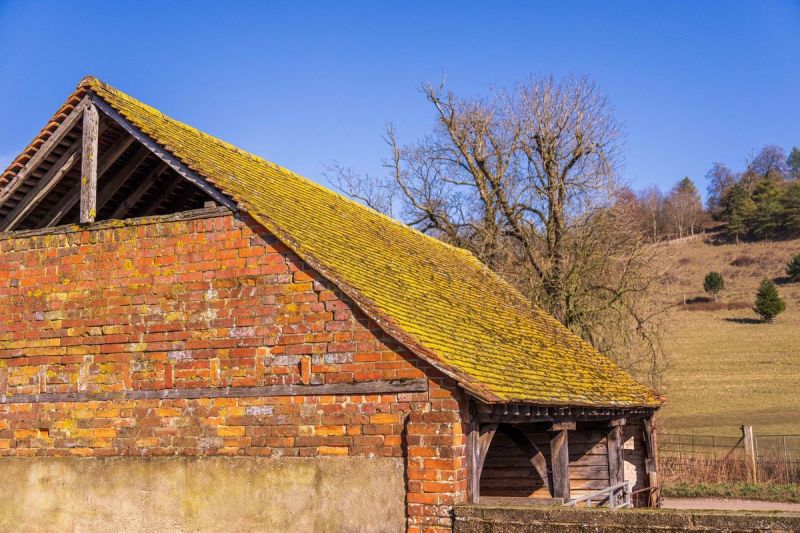
A green, streaky roof is one of those jobs that sits on the list for years until a neighbour has theirs done and suddenly yours looks twice as bad. In Swindon, a full roof clean on a typical three-bed semi usually costs somewhere between £350 and £900 depending on the method, the pitch, and how much access equipment the job needs. Detached houses and anything with a steep or awkward roof can run past £1,200. It's a job worth doing properly, because Wiltshire gives moss almost everything it wants - roughly 750-800mm of rain a year spread over 110-120 rain days, mild damp winters, and plenty of north-facing slopes that barely see direct sun between November and February. Around 7 in 10 older Swindon roofs carry some visible moss or algae. This guide covers the real prices, the three main methods, and the shortcuts that cost you a roof.
What Roof Cleaning Costs in Swindon
Prices first, since that's usually what brought you here. Roof cleaning is priced by roof area, pitch, method, and access - not by the hour - so two houses on the same street can be quoted differently if one has a conservatory in the way.
For a standard three-bed semi in Swindon with a tiled pitched roof, expect £350-£650 for a soft wash or biocide treatment, and £500-£900 if the moss is heavy enough to need manual removal first. A mid-terrace with a smaller roof area often comes in at £250-£450. A four-bed detached in one of the newer estates like Abbey Meads or Priory Vale typically lands at £700-£1,200, and a large or steeply pitched roof with dormers can exceed £1,500. Add gutter clearing at the same visit and most firms charge an extra £60-£120 rather than a full second call-out fee. If you'd rather have someone look at the roof than guess from a price band, you can arrange a free assessment through the Roof Repairs Swindon website.
Access is the swing factor. Ladders and a roof ladder cost nothing extra, a scaffold tower adds £150-£300, and full scaffolding on a three-storey or awkward property can add £400-£800 on its own. That single line explains most of the difference between a £400 quote and a £1,100 one.
Soft Washing, Scraping, and Jet Washing Compared
There are three ways to get moss off a roof, and they are genuinely not interchangeable. The right one depends on how thick the growth is and how old the tiles are.
Soft washing and biocide treatment
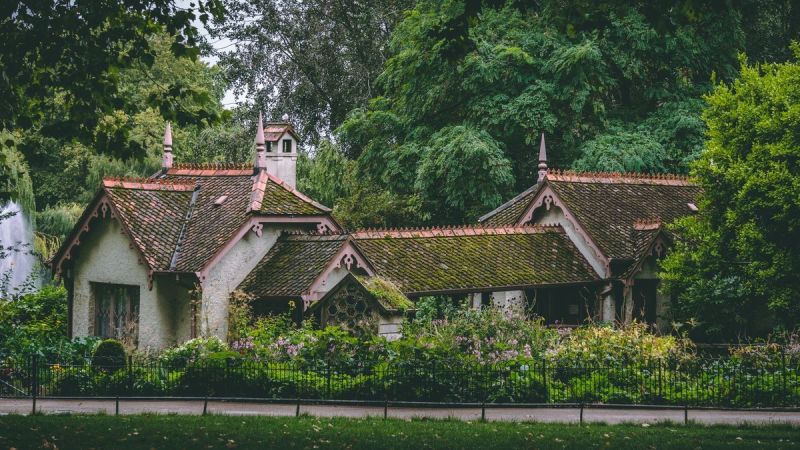
Soft washing applies a biocide at low pressure - usually under 100 psi, roughly what a garden hose delivers - and lets the chemistry do the work. The moss and algae die off over 6-12 weeks and weather away naturally with the rain, which in Swindon is not something you'll wait long for. It costs £350-£650 on a typical semi and is the gentlest option available, with no risk to mortar, tile surface, or the interlocking edges. The trade-off is patience: your roof won't look transformed the same afternoon.
Manual scraping and brushing
Scraping means physically removing thick moss with hand tools from a roof ladder or scaffold, usually followed by a biocide to kill what's left in the joints. It's the standard approach where growth is more than about 20-25mm thick, because biocide alone struggles to penetrate a deep moss mat. Budget £500-£900 for a semi, and expect a full day's work for two people. Done well it's safe; done carelessly it lifts tiles and chips leading edges, so it belongs to someone who knows roofs rather than a general cleaning outfit.
Jet washing and pressure washing
High-pressure washing at 1,500-3,000 psi strips a roof fast and looks dramatic in before-and-after photos. It's also responsible for a large share of the post-cleaning leaks roofers get called to. On concrete tiles it blasts off the factory surface coating, leaving the tile porous and far quicker to re-colonise - often within 2-3 years rather than 8-10. On older clay or slate it drives water under the laps and dislodges bedding mortar. Use it only on structurally sound modern tiles, with an operator who does this weekly, and never as the default choice.
Why Swindon Roofs Get Dirty Faster Than You'd Think
Roof growth is a moisture problem more than a dirt problem, and Wiltshire supplies plenty of moisture. Knowing why your roof greens up helps you judge how often it needs doing.
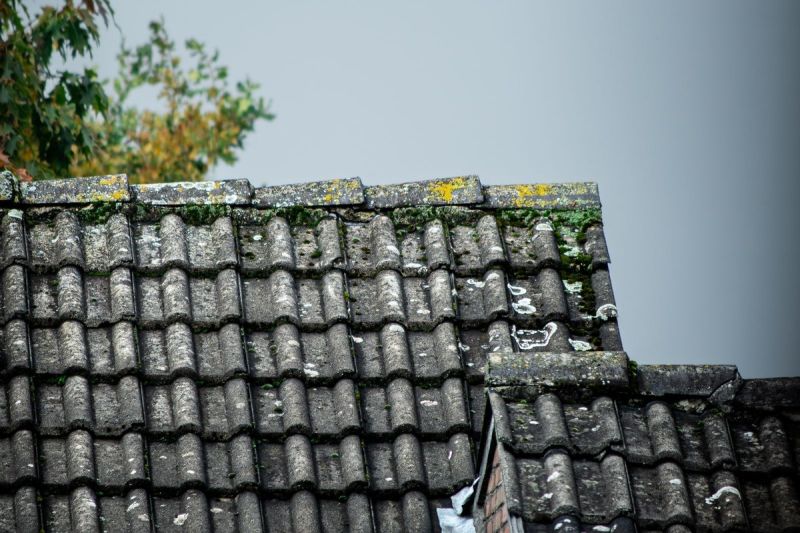
Swindon averages around 750-800mm of rainfall across 110-120 wet days a year, and winter humidity regularly sits above 85%. That keeps north-facing slopes damp for weeks at a stretch between November and February, which is exactly the conditions moss spores need. South-facing slopes on the same house often stay noticeably cleaner - it's common to see one side of a roof 80% covered and the other barely touched.
Tree cover does the rest. The mature trees around Old Town and the older parts of Rodbourne drop leaf litter and shade roofs for much of the day, and organic debris in the tile joints gives moss something to root into. Newer estates built between the 1980s and 2000s have less tree cover but usually carry concrete interlocking tiles, which are more porous than clay and typically start showing algae staining after 12-15 years. Different housing, same outcome.
What a Proper Roof Clean Actually Includes
A quote that just says "roof clean, £450" tells you nothing. The difference between a good job and a quick spray is what happens either side of the cleaning itself.
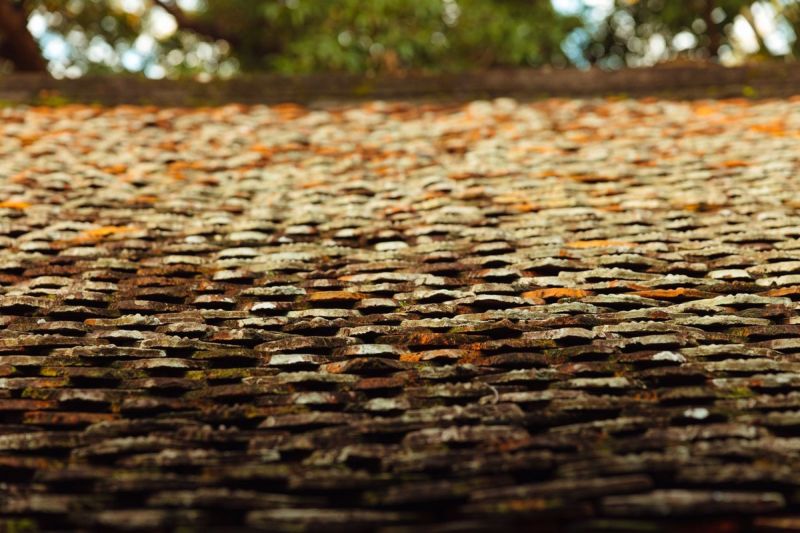
A thorough job starts with a condition check. Around 3 in 10 roofs booked in for cleaning turn out to have a cracked tile, a slipped tile, or failed ridge mortar that should be sorted while the access is already up - and it's far cheaper to fix then than to pay for scaffolding twice. Any decent roofer will tell you what they've found and price it separately rather than quietly ignoring it.
Then there's clearing up. Moss removal produces a surprising volume of debris, and a lot of it ends up in the gutters and downpipes. A proper clean includes clearing the gutters afterwards, flushing the downpipes, and bagging the moss rather than leaving it in your borders. We've covered what gutter cleaning costs in Swindon and why it matters in a separate guide, and it's worth reading if you're pricing both jobs together.
What to Avoid: Cheap Deals and Damaging Methods
Roof cleaning attracts more doorstep sellers than almost any other roofing job, because it's easy to sell on appearance and hard for a homeowner to inspect afterwards. A few rules keep you out of trouble.
Be wary of anyone who knocks unannounced with a "we're working in the area" opener and a price that drops if you decide today. Legitimate firms in the M4 corridor are busy enough that they're quoting a week or two ahead, not filling gaps by cold-calling. Genuine trade standards are set by bodies like the National Federation of Roofing Contractors, and you can also check a firm's credentials on the government-endorsed TrustMark register of approved tradespeople in about two minutes.
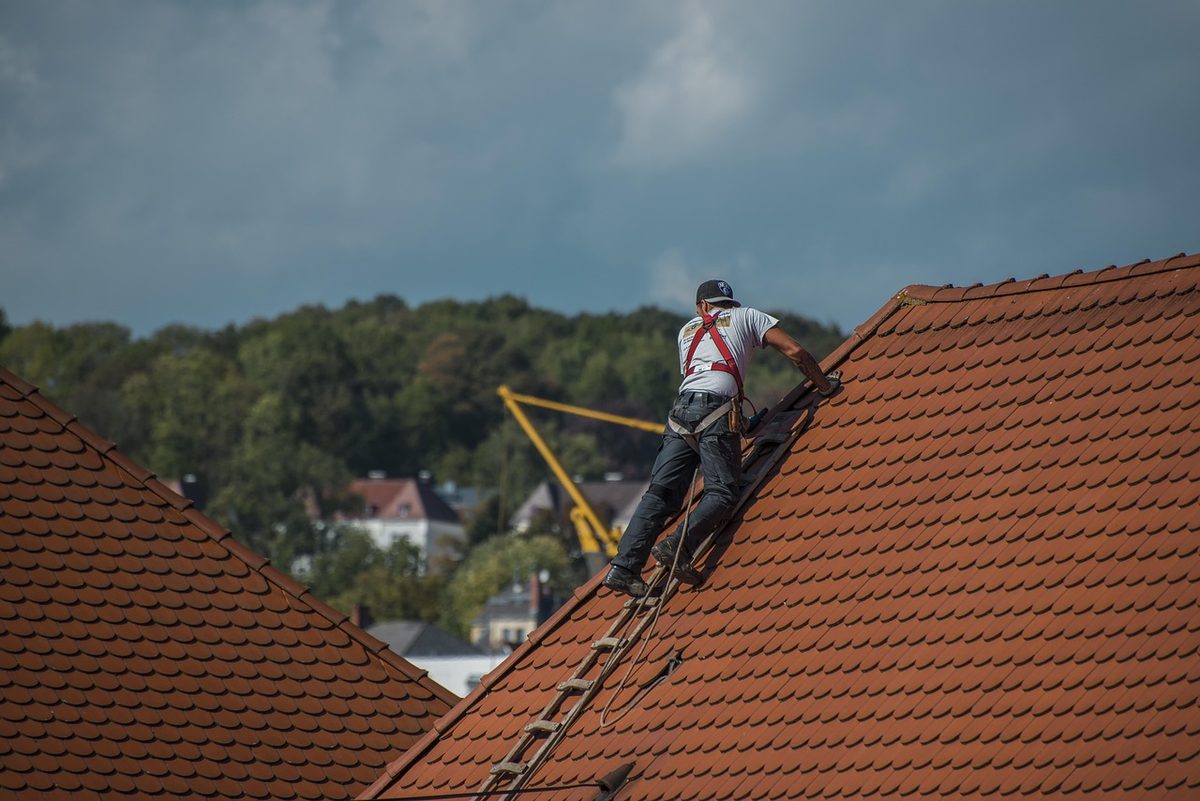
Also avoid the DIY route on a pitched roof. Working at height accounts for a substantial share of serious workplace injuries every year, and the Health and Safety Executive's guidance on working at height exists precisely because ladders and wet moss are a bad combination. Moss-covered tiles are genuinely slippery, and a roof is not a surface designed to be walked on casually. Finally, skip household bleach as a homemade treatment - it damages pointing, strips tile colour, and runs off onto masonry and planting below.
How Often Roof Cleaning Is Worth Doing
Cleaning isn't a one-off, but it also isn't an annual chore. Getting the interval right saves you money and spares the tiles unnecessary handling.
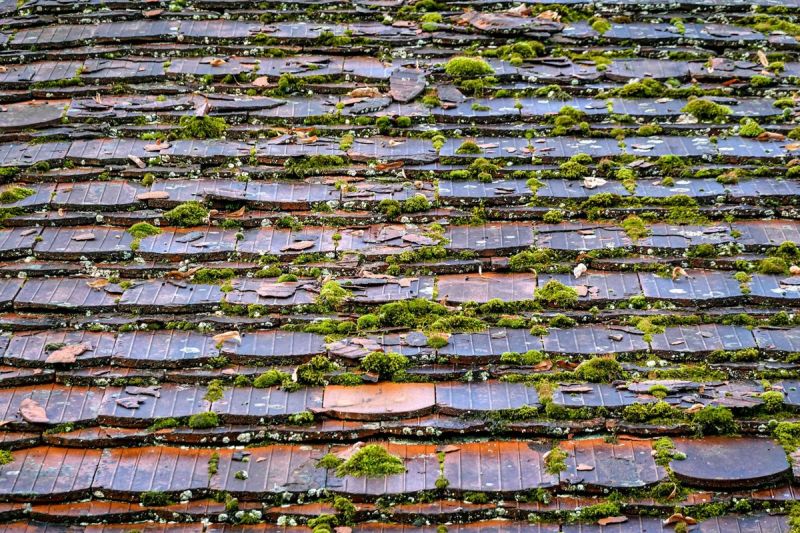
On most Swindon roofs, a soft wash every 4-6 years keeps growth under control, with a lighter maintenance treatment at the halfway point if the roof is heavily shaded. Roofs that have been pressure washed at some point tend to need it every 2-3 years, which is one of the hidden long-term costs of that method. Zinc or copper strips fitted along the ridge release trace ions every time it rains and can cut regrowth significantly for £150-£350 fitted - often the best-value add-on on the whole job.
There's a practical benefit beyond looks, too. Heavy moss holds water against the tile surface, and saturated moss on a large roof can add a few hundred kilos of load. More importantly, that trapped moisture feeds the freeze-thaw cycling that cracks tiles during Swindon's cold snaps, and it blocks gutters every autumn. Keeping a roof clean is cheap compared with replacing 40 cracked tiles.
Getting Quotes and Choosing a Roof Cleaner
Comparing quotes is easier once you know what actually varies between them. Ask the same three questions of everyone and the picture clears up fast.
First, which method are they using and why - if the answer is "jet wash" for a 1970s clay roof, move on. Second, what's included: biocide, gutter clearing, debris removal, and a follow-up treatment should all be spelled out, and a follow-up spray at 6-12 months is standard on heavily affected roofs. Third, what insurance and access equipment they're using, since public liability cover of at least £2 million is the normal minimum for anyone working at height on your property.
Get three written quotes and treat any that's 40% below the others as a warning rather than a bargain. Roof cleaning quotes in Swindon usually cluster within £150-£200 of each other for the same specification, so a wild outlier normally means a different method, a skipped step, or no insurance behind it. And remember that weather moves dates around here - biocide needs a dry window of a few hours to take hold, so expect a good firm to reschedule rather than spray into the rain.
---
FAQ
Q: How much does roof cleaning cost in Swindon?
A: A soft wash or biocide treatment on a typical three-bed Swindon semi costs around £350-£650, rising to £500-£900 where heavy moss needs manual removal first. Mid-terraces are often £250-£450 and larger detached homes £700-£1,200. Access is the biggest variable - a scaffold tower adds £150-£300 and full scaffolding can add £400-£800.
Q: Is pressure washing bad for a roof?
A: In most cases, yes. Jet washing at 1,500-3,000 psi strips the factory surface coating from concrete tiles, leaving them porous so moss returns in 2-3 years instead of 8-10, and on older clay or slate it drives water under the laps and dislodges bedding mortar. Soft washing at low pressure with a biocide is the safer standard for the majority of Swindon roofs.
Q: How often should a roof be cleaned in Swindon?
A: Every 4-6 years suits most local roofs, with a lighter treatment in between if the roof is heavily shaded or north-facing. Swindon's 750-800mm of annual rainfall across 110-120 rain days and winter humidity above 85% keep shaded slopes damp for weeks, so growth returns faster here than on a drier, sunnier aspect. Zinc or copper ridge strips at £150-£350 fitted can stretch the interval considerably.
Q: Does roof cleaning cause leaks?
A: A properly done soft wash shouldn't. Leaks after cleaning almost always trace back to high-pressure washing or careless scraping that lifts tiles, chips leading edges, or breaks up ridge and verge mortar. Around 3 in 10 roofs booked for cleaning already have a cracked or slipped tile, so a good roofer inspects first and prices any repair separately while access is in place.
---
Ready to work with Roof Repairs Swindon?
Let's connect! We’re here to help.
Send us a message and we’ll be in touch.
Or give us a call today at 01793 939231
Agency Contact Form
More Marketing Tips, Tricks & Tools