Roof Repairs in Highworth: Common Problems, Costs, and Who to Call
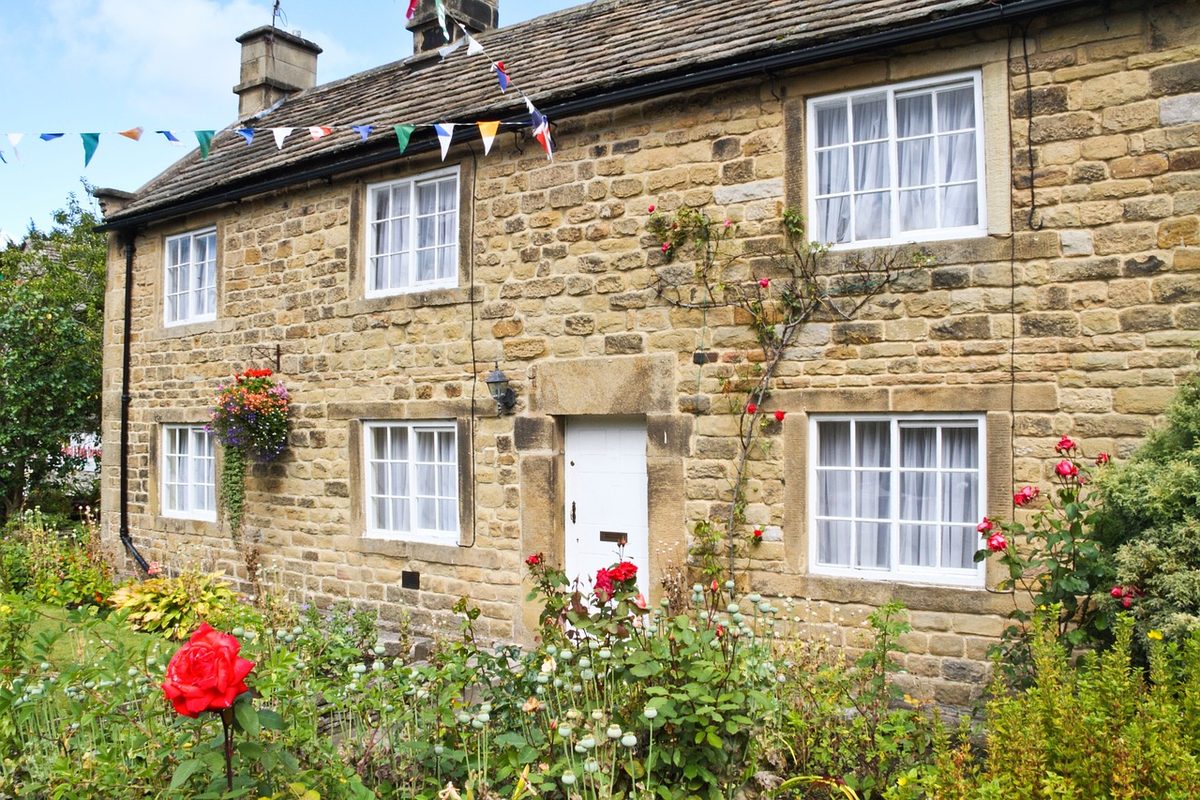
Highworth is an ancient hilltop market town in the north-east corner of Swindon Borough, and its position is the whole story when it comes to roofs. Sitting well above the surrounding countryside, the town catches wind and driving rain that lower-lying places nearby are sheltered from, so wind uplift causes more damage here than frost ever does. The historic centre, a conservation area of golden limestone and Georgian fronts designated back in 1976, carries steep natural slate and clay roofs with tall chimney stacks and stone detailing. A typical repair runs £150-£900 depending on the fault, an emergency make-safe starts at £150-£400, and a full re-roof on a period property lands at £6,000-£14,000. With Wiltshire seeing 110-120 wet days a year and Highworth exposed to every gust, this guide covers what goes wrong, what each fix costs, and who to call.
The Most Common Roof Problems in Highworth
The town's exposure and its older, taller building stock throw up a distinct set of faults, and they are not quite the same as the ones you would see on a sheltered modern estate. Wind-lifted tiles, failing chimney flashing, and worn valley gutters dominate the call-outs here.
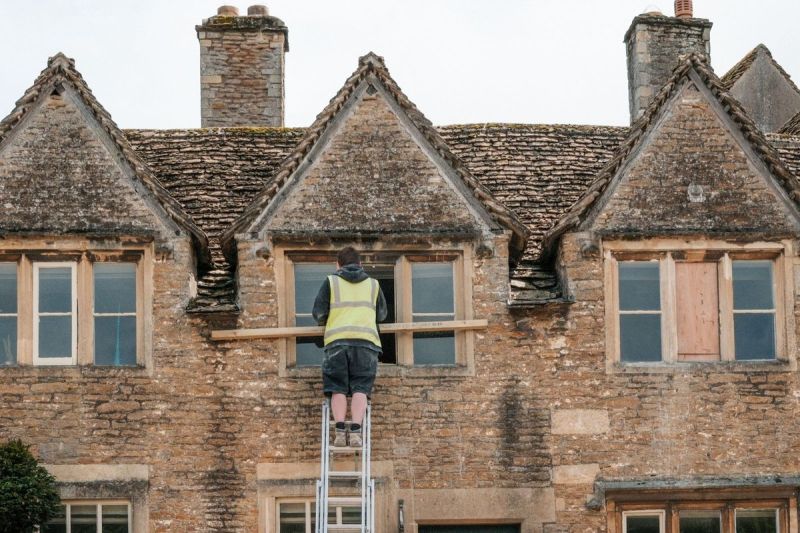
Wind uplift is the headline. On the exposed hilltop, gusts get under the edge of slates and ridge tiles and peel them back, which is why the historic streets lose coverings after every serious storm. Refixing a run of slipped slates costs £150-£450, and reclaimed slate to match a period roof runs £1.50-£4 per slate against 60p-£1 for a modern tile. Tall chimney stacks, common on the older stone houses, are the second recurring problem: their height leaves them fully weather-exposed, and the lead flashing where the stack meets the roof cracks and lifts, letting water track inside. A chimney re-flash costs £300-£700, and re-pointing an eroded stack £300-£900. If you want a clear diagnosis before spending, the team at Roof Repairs Swindon survey roofs across Highworth and the surrounding villages.
Valley gutters, where two roof slopes meet on the older L-shaped and back-addition houses, are the quiet third problem. They collect leaves and silt, then overflow into the roof space - a valley repair or reline costs £300-£900.
What Roof Repairs Cost in Highworth
It helps to see pricing by the actual job rather than as a single "roof repair" figure, because the range is wide. These are typical 2026 rates for the Swindon and north Wiltshire area, including labour and basic access.
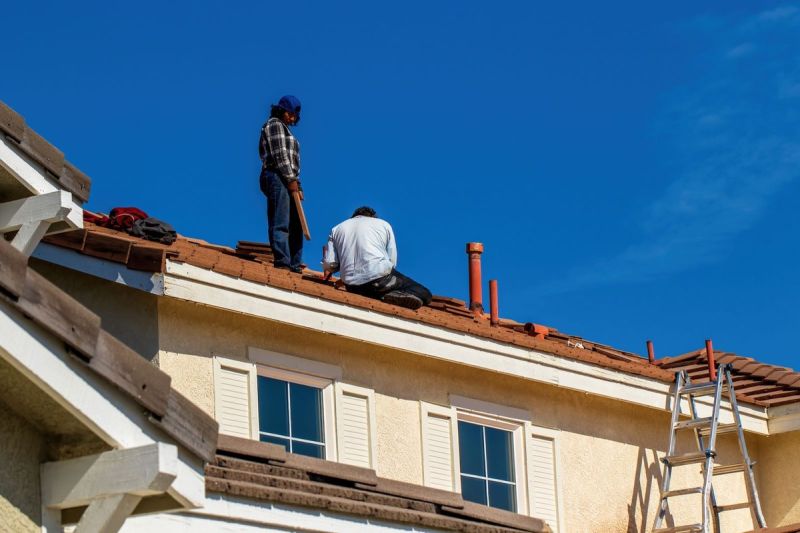
Replacing a few slipped or broken tiles carries a minimum call-out of £150-£250, since access has to be set up either way. Re-bedding ridge tiles is £45-£75 per linear metre, so a 10-metre ridge comes to £600-£1,000. Lead flashing repairs around a chimney or parapet run £200-£600 per section. Chimney work spans £300-£900 for re-pointing up to £1,500-£4,000 for rebuilding a leaning stack, which is a real risk on tall exposed stacks that have taken decades of wind. Stone parapet and coping repairs, specific to the older limestone houses, cost £400-£1,200 depending on how much lime mortar and lead has failed. Clearing moss from damp north-facing slopes is £250-£700.
Two extras to budget for: scaffolding at £600-£1,200 for anything above ground-floor reach, which on the taller period houses is nearly always, and a survey at £150-£350. On an exposed roof, a survey often catches loose ridges and cracked flashing before the next storm turns them into a bigger bill.
How Highworth's Stone-Built Stock Changes the Job
The town's older core is built of local limestone with steep, traditionally covered roofs, and that changes both the method and the materials a roofer needs. This is not a job for anyone who only works on modern trussed estates.
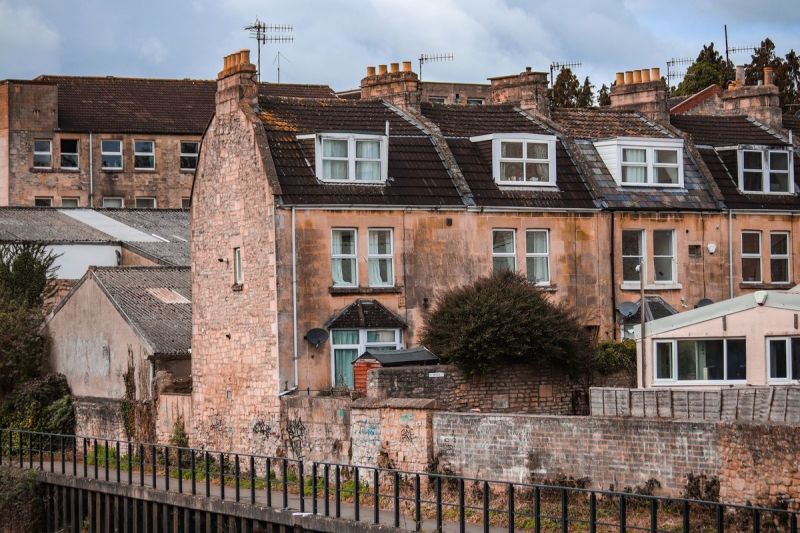
Period roofs here use natural slate or handmade clay tile bedded with lime mortar, finished with stone parapets, valley gutters and lead detailing. Repairs must be like-for-like: modern cement mortar on a limestone parapet traps moisture and speeds up erosion, so lime mortar is the correct choice even though it costs more and takes longer to cure. Because the historic centre is a conservation area, altering the roof's appearance can need consent, so it is worth checking with Swindon Borough Council's conservation and planning pages before changing materials or adding rooflights.
Newer housing on the edges
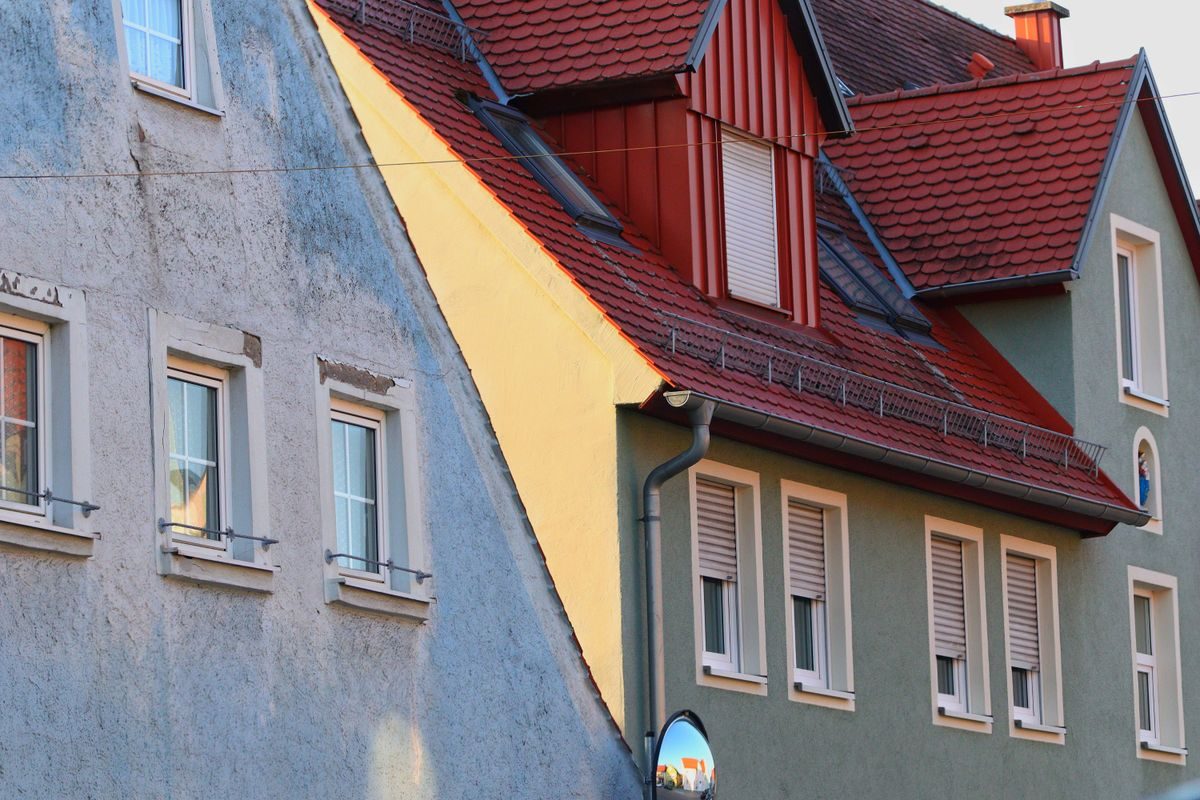
Highworth also has newer housing on its outer estates, roofed in concrete interlocking tiles on trussed rafters. These are quicker and cheaper to repair, and the common fault is the same mortar-bedded ridge and verge failing in the wind. A dry-verge upgrade at £30-£60 per metre removes the mortar problem permanently and is well worth doing on an exposed plot.
Why the Hilltop Position Wears Roofs Faster
Highworth's roofs age faster than those in sheltered Wiltshire villages, and the cause is simple geography. The town sits high and open, so wind and wind-driven rain hit it harder and from more directions.
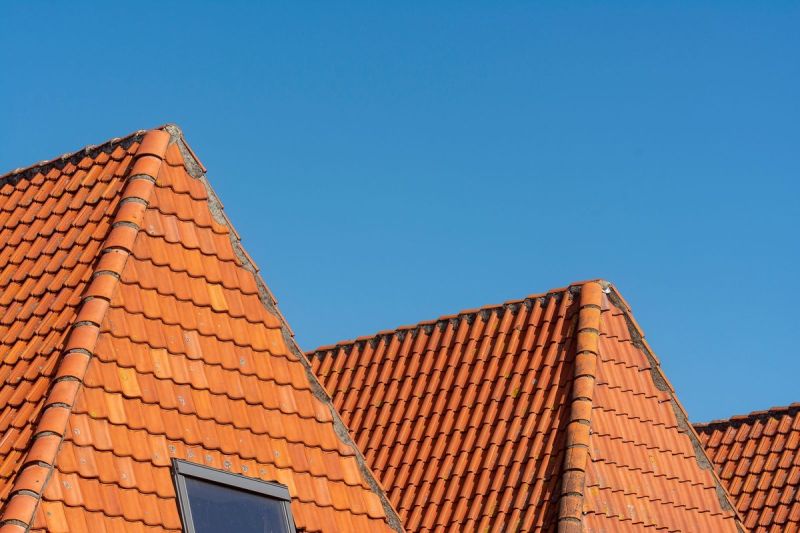
Wind uplift is the mechanism behind most local damage. A gust that would barely register in a valley gets under exposed slates and ridge tiles on the hilltop and works them loose over time, then finishes the job in a storm. Driving rain forced horizontally against a stone gable finds its way through pointing that vertical rain never would. The Met Office UK climate averages for the South West show a mild but wet and breezy regional picture, and on an elevated site the wind element is amplified.
The practical takeaway is that preventative work pays better here than almost anywhere. Refixing ridges, upgrading verges to dry-fix, and renewing tired flashing before winter is far cheaper than the £1,500-plus of storm damage and the interior repairs that follow a breach.
Emergency Roof Repairs: What to Do First
When wind strips a slate or water starts coming through, the sequence matters, and on an exposed roof the wind is often still blowing when you notice. Deal with the inside first and leave the roof to a professional.
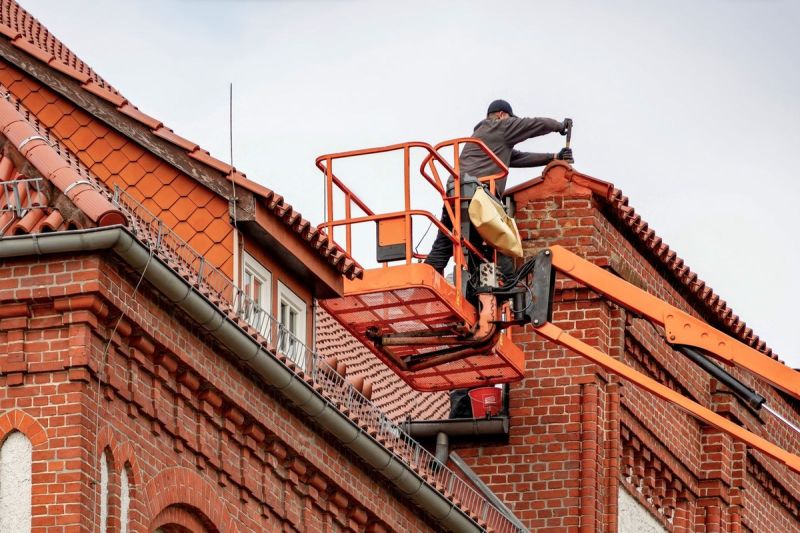
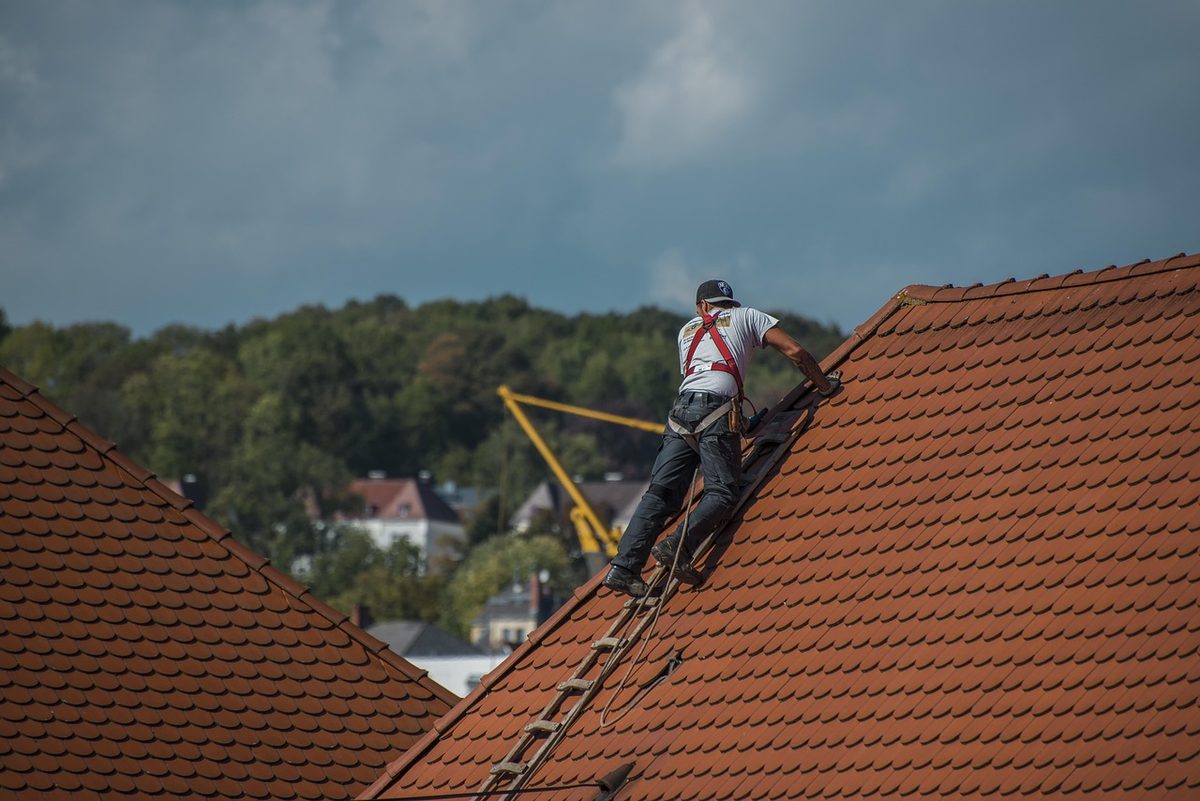
Indoors, move furniture clear, lift carpet away from the wet area, and catch the drip in a bucket. If a ceiling is sagging with trapped water, a small controlled hole lets it drain rather than collapsing the whole board. Do not climb up in wind or rain - falls from domestic roofs cause more injuries than the leaks themselves, and Highworth's exposure makes a wet roof genuinely dangerous. A roofer's emergency make-safe, typically a weighted tarpaulin and temporary fixings, costs £150-£400 and holds until conditions allow a proper repair.
Save the permanent fix for a dry, still day. A made-safe roof can sit for a week or two while you gather two or three quotes, and any roofer insisting on a full repair mid-storm is one to be wary of.
Who to Call and How to Choose a Roofer
Because Highworth's older roofs need genuine period-roofing skill, choosing the right firm matters more than chasing the lowest price. The M4-corridor trades market is busy, so good roofers are often booked a few weeks out, which is a sign of quality rather than a problem.
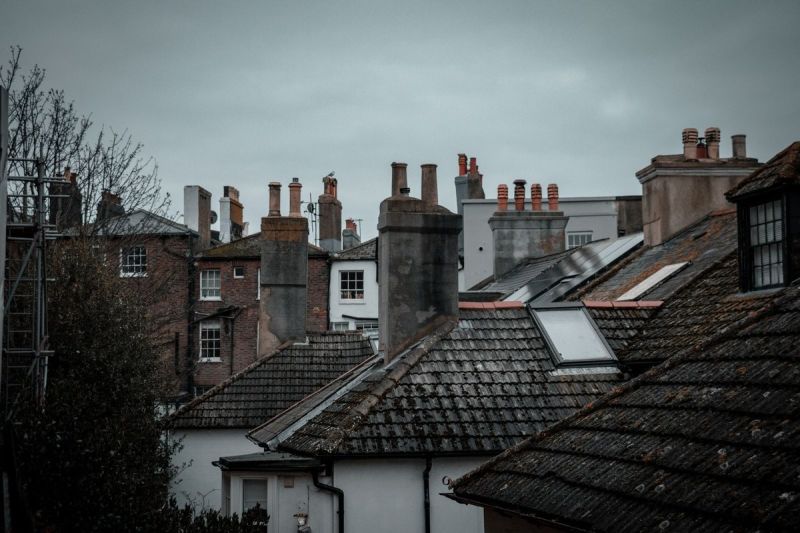
Get three itemised quotes and check credentials properly. You can find inspected local firms through the National Federation of Roofing Contractors' find-a-member search, and cross-check them against TrustMark, the government-endorsed scheme for tradespeople. For period work, ask specifically whether they use lime mortar on stone and can source reclaimed slate to match. Confirm at least £2 million public liability cover, and never hand over a large deposit - 10-25% against materials is standard, with the balance staged against completed work.
Around 1 in 4 roofing disputes come down to a vague quote rather than bad work, so make the roofer spell out access, materials, and exactly what is included. On a tall exposed stone house, the scaffolding line alone is worth checking closely.
---
FAQ
Q: How much do roof repairs cost in Highworth?
A: Most repairs sit between £150 and £900 depending on the fault. Replacing a few slipped tiles has a £150-£250 minimum call-out, re-bedding ridge tiles is £45-£75 per linear metre, chimney re-flashing is £300-£700, and re-pointing a stack £300-£900. Stone parapet repairs on period houses run £400-£1,200. An emergency make-safe is £150-£400, and a full re-roof on a period property lands at £6,000-£14,000, with scaffolding adding £600-£1,200.
Q: Why do roofs in Highworth get damaged so often?
A: Highworth sits on an exposed hilltop above the surrounding countryside, so it catches far more wind and wind-driven rain than sheltered villages nearby. Wind uplift gets under slates and ridge tiles and works them loose over time, then storms finish the job. Driving rain also forces through stone pointing that vertical rain would not reach, which is why chimney flashing and parapets are frequent trouble spots.
Q: Do older stone roofs in Highworth need special repair methods?
A: Yes. The historic centre is a conservation area of limestone buildings with natural slate or clay roofs, and repairs should be like-for-like using lime mortar rather than modern cement, which traps moisture and erodes stone faster. Reclaimed slate is needed to match a period roof. Changing the roof's appearance can require consent from Swindon Borough Council, so check before altering materials or adding rooflights.
Q: How do I find a reliable roofer in Highworth?
A: Get three itemised quotes and check for membership of a recognised body such as the NFRC, plus at least £2 million public liability cover. For the town's older stone houses, confirm the roofer uses lime mortar and can source matching reclaimed slate. Avoid large deposits - 10-25% against materials is normal, staged after that. Busy M4-corridor firms are often booked a few weeks ahead, which is usually a good sign.
---
Ready to work with Roof Repairs Swindon?
Let's connect! We’re here to help.
Send us a message and we’ll be in touch.
Or give us a call today at 01793 939231
Agency Contact Form
More Marketing Tips, Tricks & Tools