Roof Repairs in Royal Wootton Bassett: Common Problems, Costs, and Who to Call
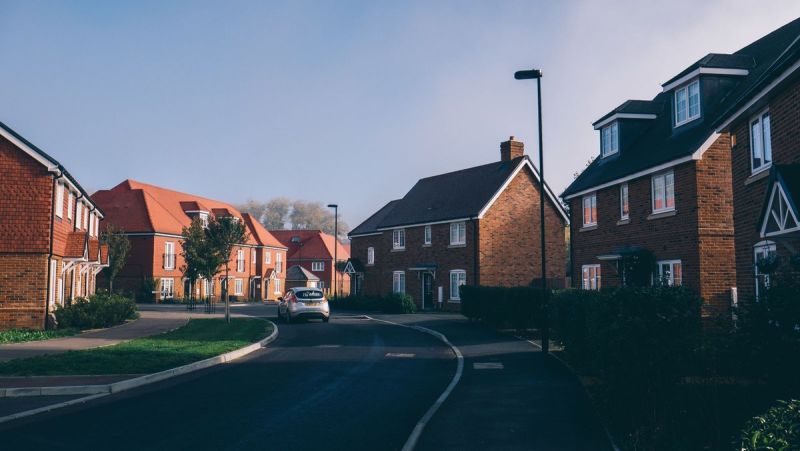
Royal Wootton Bassett sits on an open stretch of the north Wiltshire plain six miles west of Swindon, and that exposure shows up on local roofs. The town splits neatly into two: the older market-town core around the 17th-century Town Hall, where render, natural slate and Victorian clay tiles dominate, and the large modern estates that expanded the town from the 1980s onward, roofed mostly in concrete interlocking tiles. Each type fails in its own way. A typical repair here runs £150-£900 depending on the fault, while a small emergency make-safe starts around £150-£400 and a full re-roof on a three-bed semi lands at £5,500-£12,000. Wiltshire gets roughly 110-120 wet days a year, and the wind coming off the plain lifts tiles that were fitted before dry-fix systems became standard. This guide covers what actually goes wrong, what each fix costs, and who to call.
The Most Common Roof Problems in Royal Wootton Bassett
Most call-outs in the town come down to a handful of faults, and knowing which one you are looking at saves you money before a roofer even arrives. Slipped and broken tiles top the list by a distance, followed by cracked mortar at the ridge and worn flashing around chimneys.
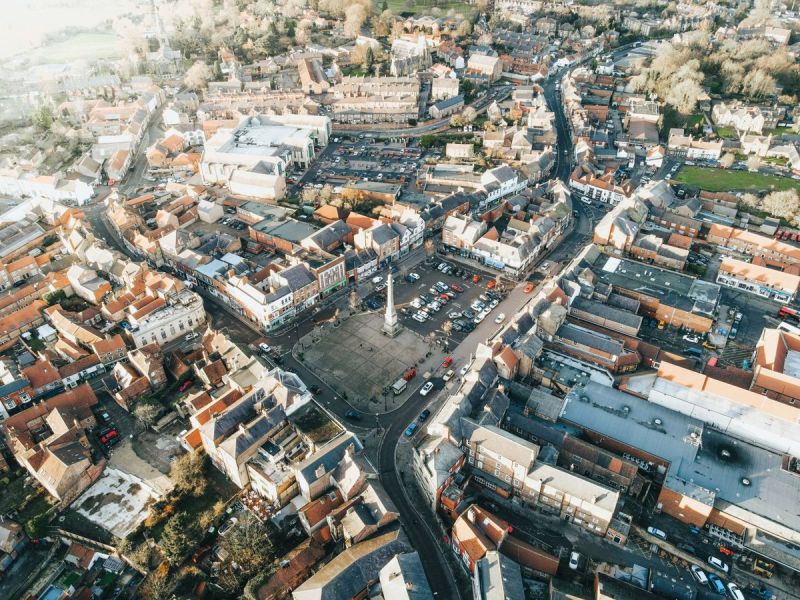
On the estates around Interface Business Park and the newer developments toward the M4 junction, the usual culprit is the mortar bedding under ridge and verge tiles. It was pointed by hand thirty or forty years ago and has now cracked, letting wind get underneath. Expect £150-£450 to refix a run of slipped tiles and £600-£1,500 to strip and re-bed a full ridge line. In the older core, natural slate is the weak point: slates are held by nails that rust and fail, so slates slide off in ones and twos, usually £150-£300 for a handful once access is sorted. If you want a survey before committing to anything, you can book one through the team at Roof Repairs Swindon, who cover Royal Wootton Bassett as part of their patch.
Flat roofs on rear extensions and garages are the third big one. A felt flat roof laid in the 1990s is well past its 10-15 year life, and a patch repair runs £150-£600 while a full EPDM rubber replacement costs £80-£120 per square metre.
What Roof Repairs Cost in Royal Wootton Bassett
Pricing is easier to grasp when it is broken down by the actual job rather than quoted as a vague "roof repair". The figures below are typical Wiltshire rates for 2026, including a roofer's time and basic access.
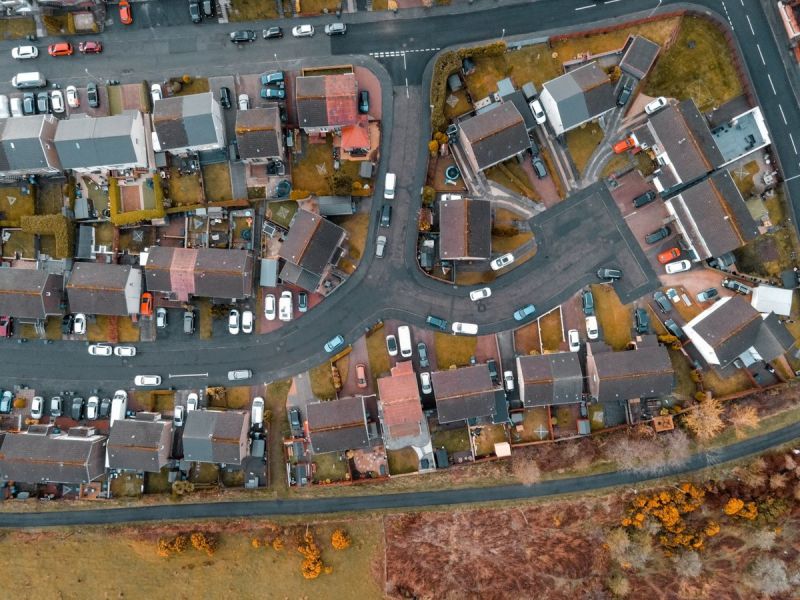
A single slipped or cracked tile replacement carries a minimum call-out of roughly £150-£250, because nobody sets up access for one tile for less. Re-bedding ridge tiles costs £45-£75 per linear metre, so a 10-metre ridge is £600-£1,000 including muck-away. Lead flashing repairs around a chimney or abutment run £200-£600 per section, and a full chimney re-flash is £300-£700. Re-pointing or repairing a chimney stack is £300-£900, while a full rebuild of a leaning stack climbs to £1,500-£4,000. Clearing and treating moss, which thrives on the shaded north-facing slopes common on the estates, costs £250-£700 for a soft-wash on a typical semi.
Two costs people forget: scaffolding, at £600-£1,200 for anything beyond ground-floor reach, and a proper roof survey at £150-£350. A survey is money well spent before a big job, because it turns guesswork into an itemised quote.
How Royal Wootton Bassett's Housing Stock Shapes the Repair
The town's two-speed housing mix means a roofer's approach changes street to street, and so does the price. Getting the right specialist for your roof type matters more here than in a town with one dominant style.
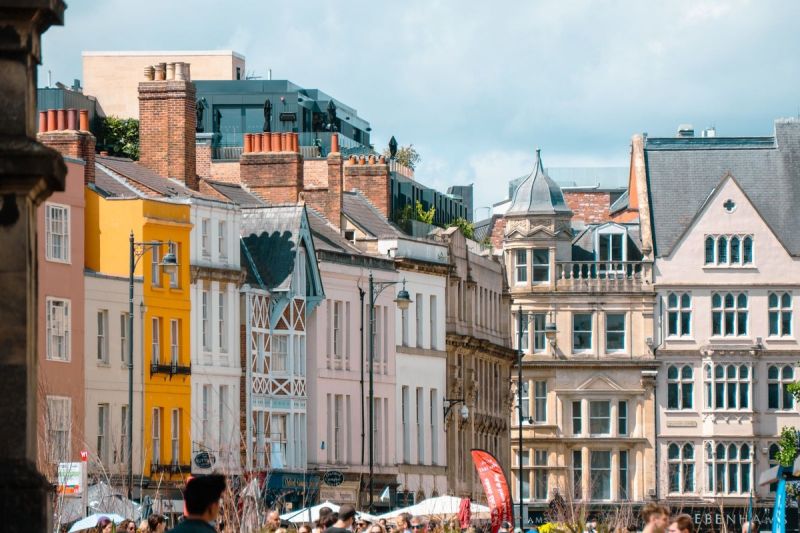
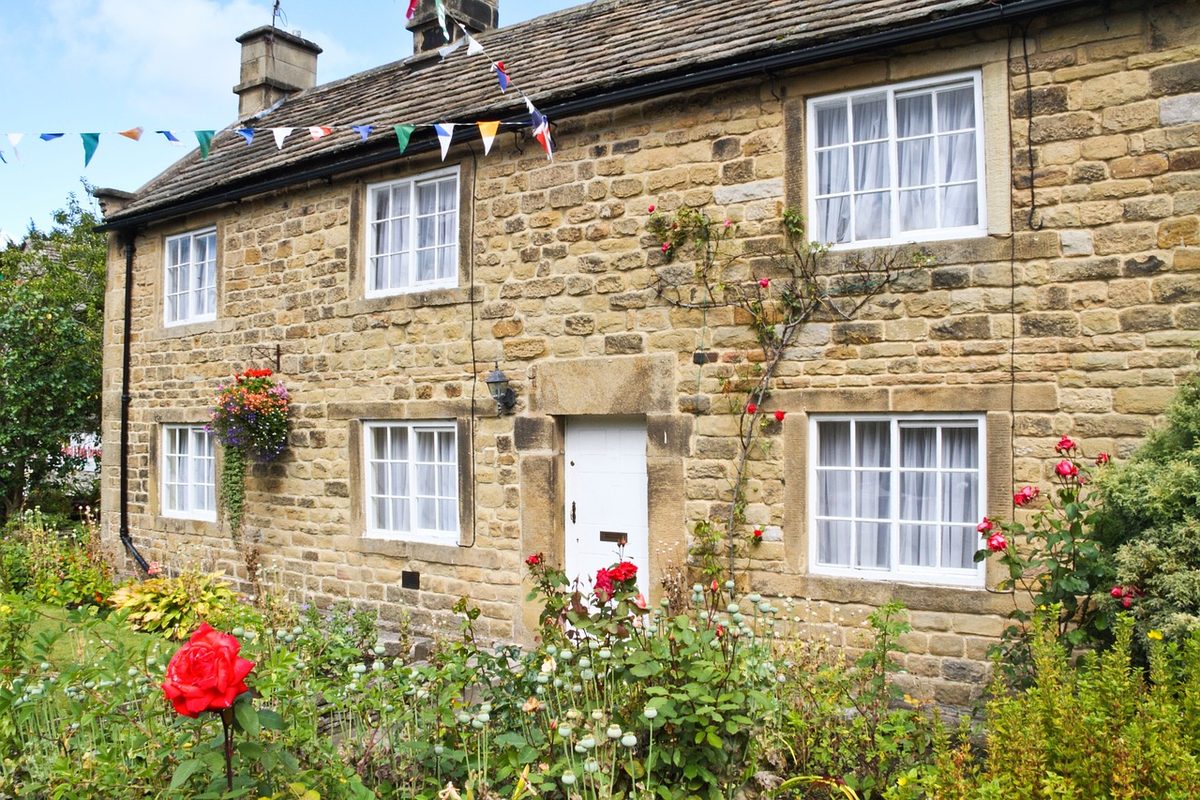
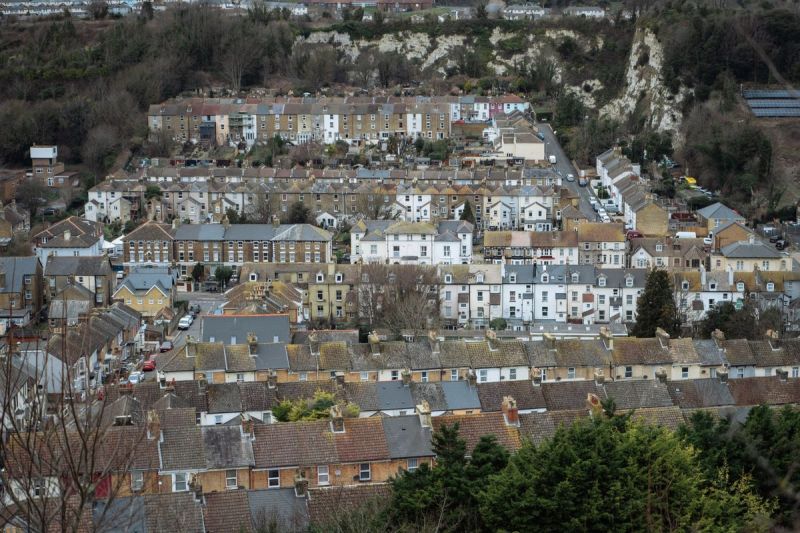
The conservation area around the High Street and the Town Hall carries older, steeper roofs in natural slate and handmade clay tile, often with lime mortar and cast-iron or timber detailing. Repairs here need like-for-like materials, and reclaimed slate to match an existing roof can cost £1.50-£4 per slate against 60p-£1 for a modern concrete tile. Work in the conservation area may also need a nod from the council, so it pays to check with Wiltshire Council's building control and planning service before altering the roof's appearance.
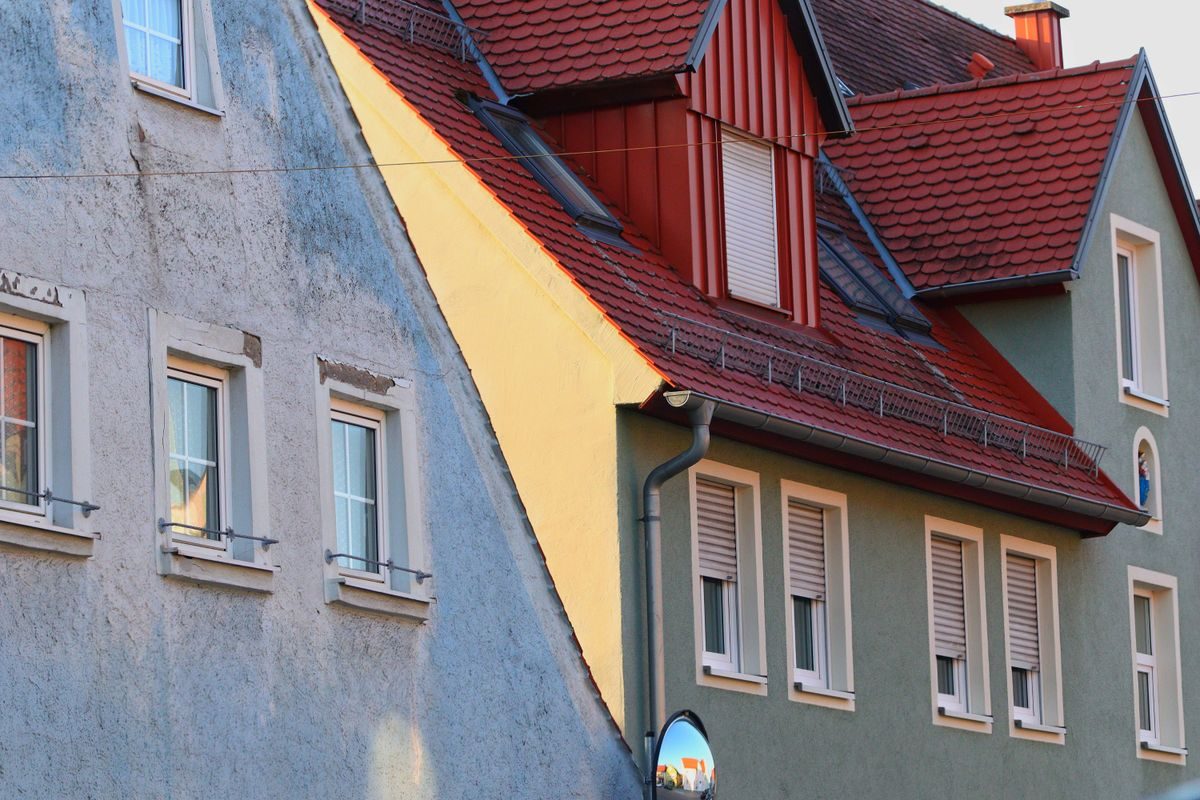
The modern estates are more forgiving. Trussed rafter roofs with concrete interlocking tiles are quick to work on, and replacement tiles are easy to source and match. The recurring issue on these is mortar-bedded ridges and verges failing in the wind, which is exactly what modern dry-fix systems are designed to cure - a dry verge upgrade runs £30-£60 per metre and removes the mortar problem for good.
Wiltshire Weather and Why Local Roofs Fail
Roofs in Royal Wootton Bassett work harder than the UK average, and the reason is the town's open, elevated position. Wind and driving rain do most of the damage here, more than frost or snow.
The 110-120 wet days a year keep slopes damp for long stretches, which feeds moss and lifts moisture into any gap in the covering. More importantly, the exposed plain funnels wind across the town, and wind uplift is what strips mortar-bedded ridge and verge tiles that were fine for decades. The Met Office climate averages for the wider South West show a mild but genuinely wet and gusty regional pattern, and it is the gusts that generate emergency call-outs after every winter storm.
Because of that, the single best-value repair in the town is often preventative: refixing loose ridge tiles and upgrading verges before a storm rips them off, rather than after. A £600 dry-ridge job is a lot cheaper than the £1,500-plus of storm damage plus interior water repairs.
Emergency Roof Repairs: What to Do First
When a tile comes off in a gale or water starts coming through the ceiling, the order you do things in decides how much it costs. Act fast on the inside, and be patient about the permanent fix.
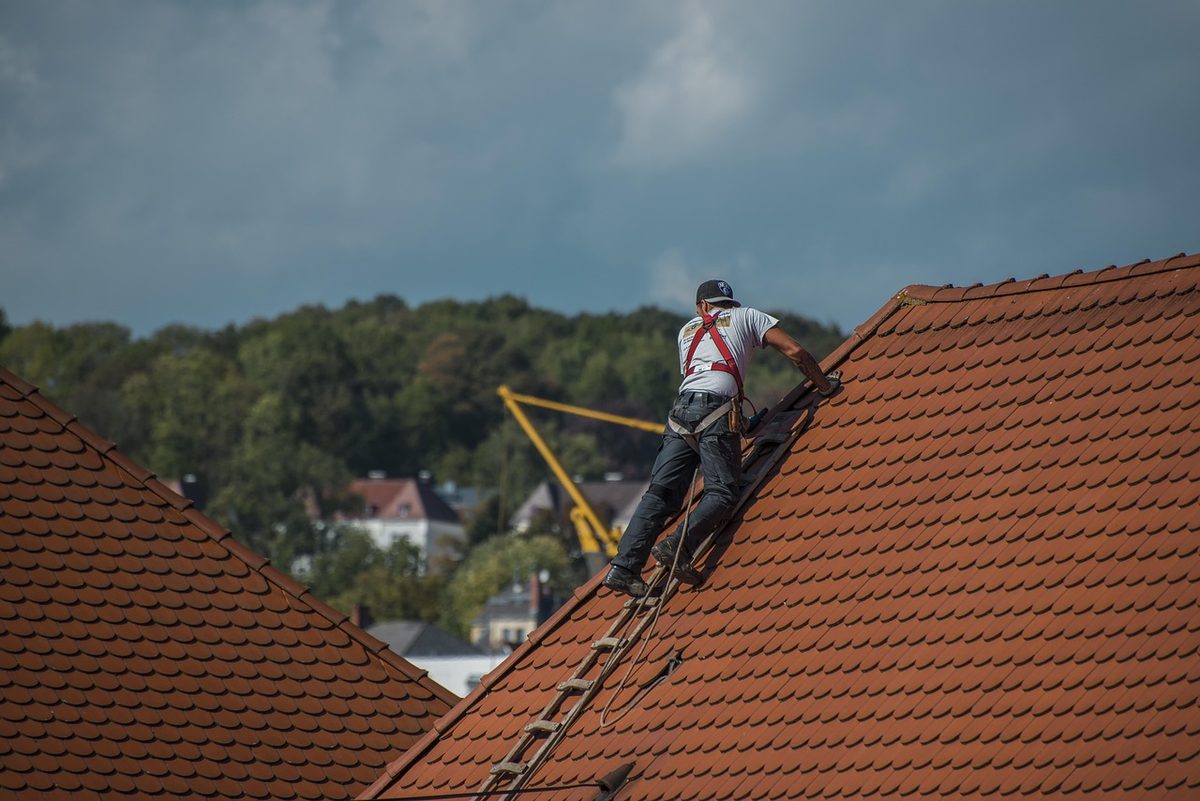
First, contain the water indoors - move furniture, lift carpet, and put a bucket under the drip. If the ceiling is bulging, a small hole with a screwdriver lets trapped water drain in a controlled way rather than bringing the whole plasterboard down. Do not go up on the roof yourself in wet or windy weather; more people are hurt falling from domestic roofs than by the leak itself. A roofer's emergency make-safe, usually a tarpaulin and temporary fixings, costs £150-£400 and buys you time.
The permanent repair should wait for dry, calm conditions and a proper look. Any roofer who wants to do a full repair in driving rain is either overreaching or overcharging. A made-safe roof can sit for a week or two safely while you get two or three quotes.
Who to Call and How to Choose a Roofer
The trades market along the M4 corridor is busy, which is good for choice but means the best firms are often booked a few weeks ahead. That is normal - treat a roofer who can start tomorrow with mild caution, not relief.
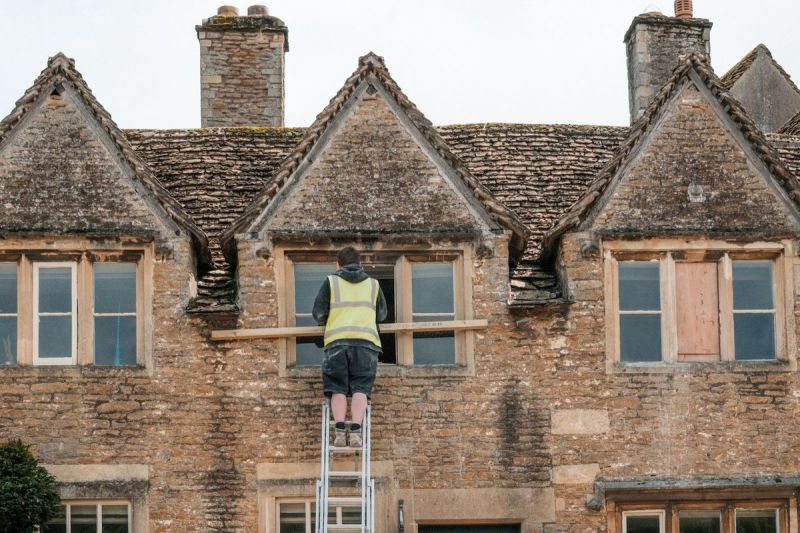
Get three itemised quotes and check credentials before signing anything. Look for membership of a recognised trade body: you can find vetted local firms through the National Federation of Roofing Contractors' find-a-member search, which lists contractors held to an inspected standard. Cross-check against TrustMark, the government-endorsed quality scheme for tradespeople for a second layer of assurance. Confirm public liability cover of at least £2 million and never pay a large deposit - 10-25% against materials is normal, with the balance staged against completed work.
Roughly 1 in 4 roofing disputes trace back to a vague quote rather than poor workmanship, so insist the quote spells out access, materials, and what "make good" actually includes. Fifteen minutes reading the paperwork saves most of the arguments.
---
FAQ
Q: How much do roof repairs cost in Royal Wootton Bassett?
A: Most repairs fall between £150 and £900 depending on the fault. Replacing a few slipped tiles carries a £150-£250 minimum call-out, re-bedding ridge tiles costs £45-£75 per linear metre, lead flashing repairs run £200-£600, and chimney re-pointing is £300-£900. A small emergency make-safe is £150-£400, and a full re-roof on a typical semi lands at £5,500-£12,000. Scaffolding adds £600-£1,200 where access is needed.
Q: Why do roofs in Royal Wootton Bassett fail more often than average?
A: The town sits on an open, slightly elevated stretch of the north Wiltshire plain, so wind uplift and driving rain do most of the damage. With 110-120 wet days a year and regular gusts across the plain, mortar-bedded ridge and verge tiles work loose, and slopes stay damp long enough to grow moss. Storm gusts are the main cause of emergency call-outs after winter.
Q: Do I need permission for roof repairs in the older part of town?
A: Straightforward like-for-like repairs usually do not need permission, but the High Street and Town Hall area is a conservation area under Wiltshire Council, so changing the roof's appearance or materials can require consent. It is worth checking with Wiltshire Council's planning and building control service before altering an older roof, and using reclaimed slate to match rather than modern concrete tile.
Q: How do I choose a reliable roofer in Royal Wootton Bassett?
A: Get three itemised quotes, check for membership of a recognised body such as the NFRC, and confirm at least £2 million public liability cover. Avoid paying large deposits - 10-25% against materials is standard, with the rest staged against completed work. Because M4-corridor trades are busy, good firms are often booked a few weeks ahead, so a roofer who is instantly free is worth a second look.
---
Ready to work with Roof Repairs Swindon?
Let's connect! We’re here to help.
Send us a message and we’ll be in touch.
Or give us a call today at 01793 939231
Agency Contact Form
More Marketing Tips, Tricks & Tools