Roof Repairs in Purton and Cricklade: Common Problems, Costs, and Who to Call
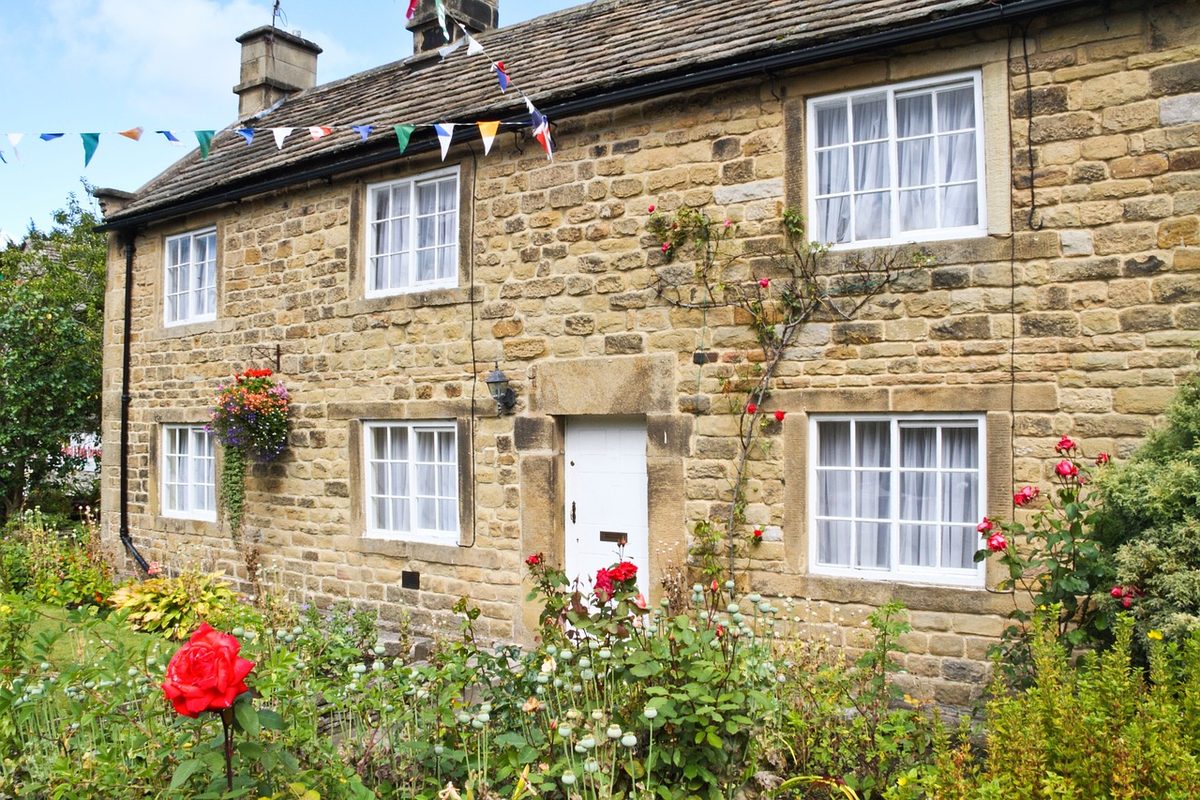
Purton and Cricklade sit in the low-lying north-west corner of Swindon's countryside, where the land flattens out into the upper Thames valley. Cricklade is the first town the young Thames reaches, and that floodplain setting shapes its roofs as much as any storm - damp lingers, moss thrives, and older coverings stay wet for weeks at a time. Both places carry a good stock of older North Wiltshire village housing: Cotswold-edge stone, natural slate, handmade clay tile and, on a handful of the oldest cottages, thatch. A typical repair here runs £150-£900 depending on the fault, an emergency make-safe starts at £150-£400, and a full re-roof on an older cottage lands at £6,000-£14,000. With Wiltshire seeing 110-120 wet days a year and the Thames valley holding moisture longer than higher ground, this guide covers what goes wrong, what each fix costs, and who to call.
The Most Common Roof Problems in Purton and Cricklade
The older, damper village stock in these two places throws up a distinct set of faults, and they are not the wind-first problems you see on an exposed hilltop. Moss and damp-driven decay, slipped natural slates, and worn valley gutters lead the call-outs here.
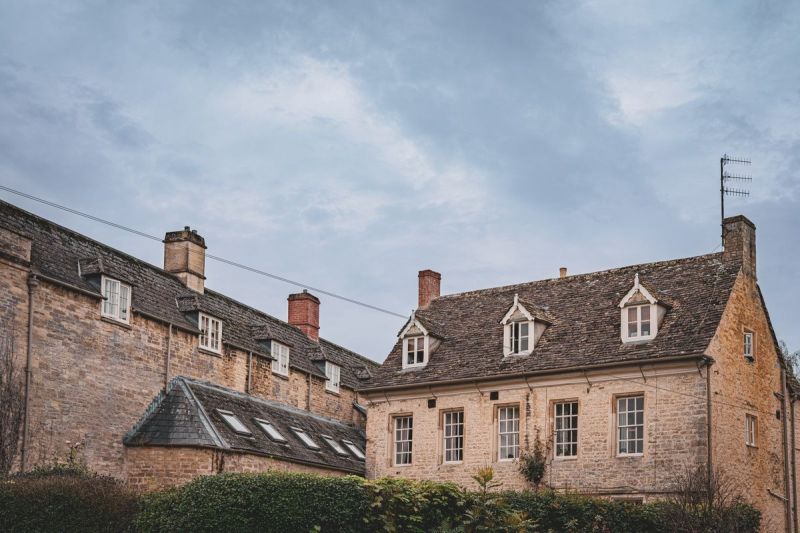
Damp is the running theme. The low Thames-valley position keeps north-facing slopes wet for long stretches, so moss builds up, holds water against the covering, and lifts moisture into any gap - clearing and soft-washing a mossy slope runs £250-£700 on a typical cottage. Natural slate is the second recurring problem: on the older houses the slates are held by iron nails that rust in the damp air and fail, so slates slide off in ones and twos, usually £150-£300 to make good once access is set up. If you want a clear diagnosis before spending anything, the team at Roof Repairs Swindon survey roofs across Purton, Cricklade and the surrounding villages.
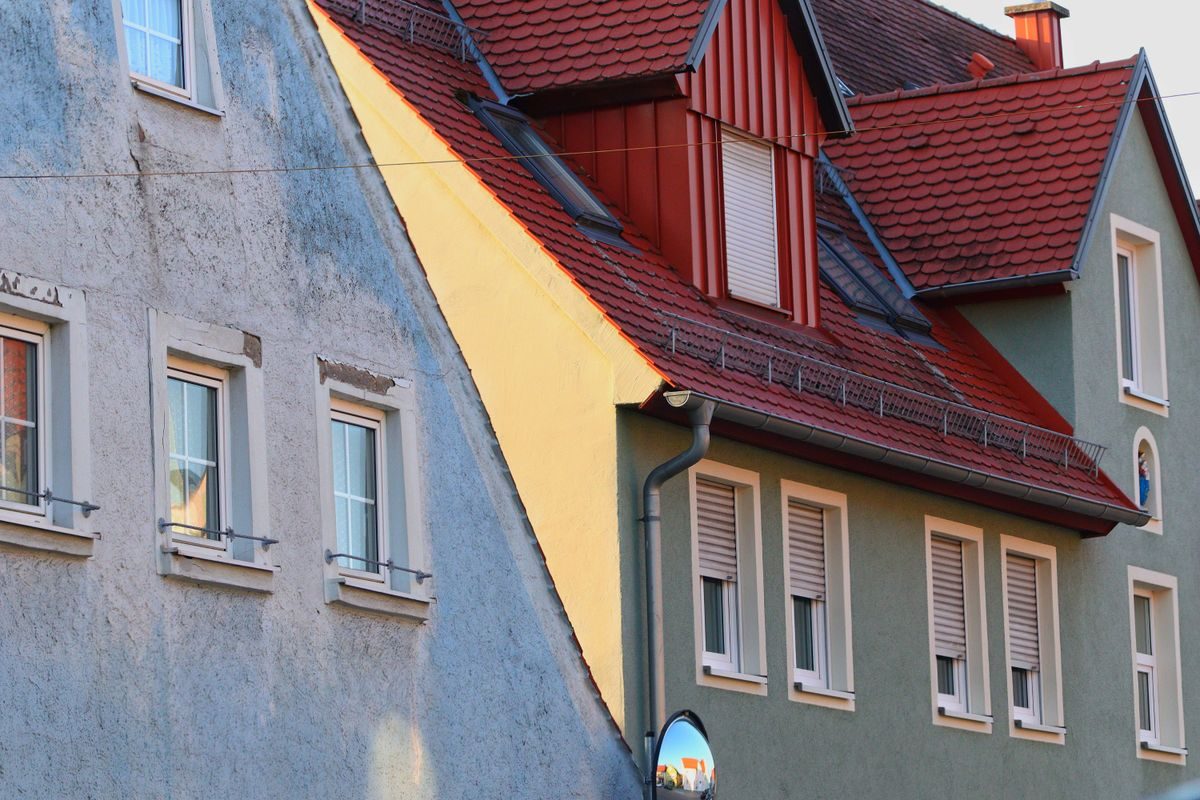
Valley gutters, where two roof slopes meet on the older L-shaped and back-addition cottages, are the quiet third problem. They collect leaves and silt, then overflow into the roof space - a valley repair or reline costs £300-£900.
What Roof Repairs Cost in Purton and Cricklade
Pricing is far clearer broken down by the actual job than quoted as a single "roof repair" figure, because the range is wide on older village stock. These are typical 2026 rates for the north Wiltshire area, including a roofer's time and basic access.
Replacing a few slipped or broken slates carries a minimum call-out of £150-£250, since access has to be set up either way. Re-bedding ridge tiles runs £45-£75 per linear metre, so a 10-metre ridge comes to £600-£1,000. Lead flashing repairs around a chimney or valley are £200-£600 per section. Chimney work spans £300-£900 for re-pointing up to £1,500-£4,000 to rebuild a leaning stack, which is a real risk on the tall stacks of the older cottages. Stone parapet and coping repairs, specific to the Cotswold-edge houses, cost £400-£1,200 depending on how much lime mortar has failed. Moss removal on the damp slopes so common here is £250-£700.
Two extras to budget for: scaffolding at £600-£1,200 for anything above ground-floor reach, and a survey at £150-£350. On a damp older roof a survey often catches rotting valley timbers and failed pointing before they turn into a much larger bill.
Thatch and Stone: How the Oldest Cottages Change the Job
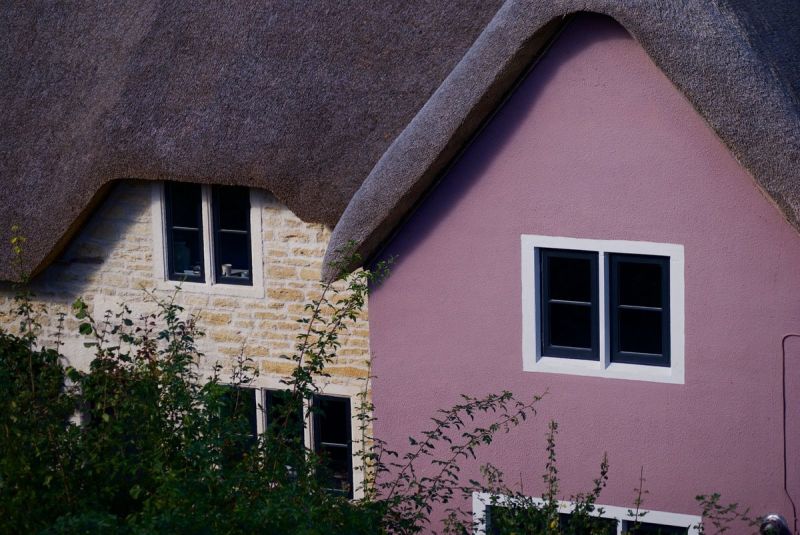
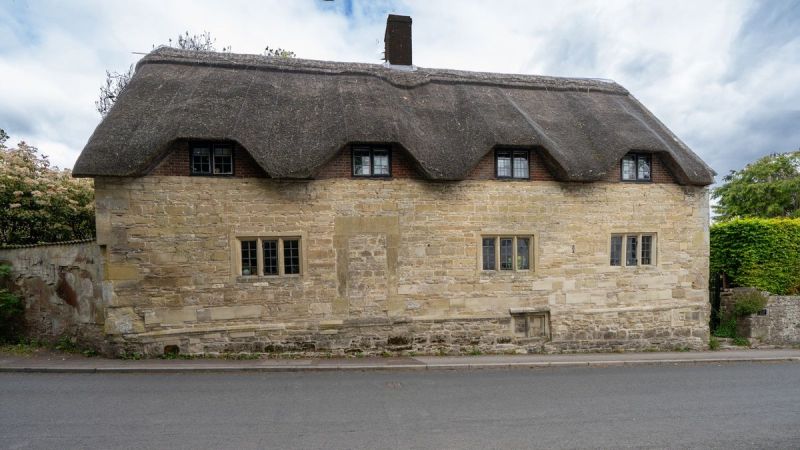
A handful of the oldest properties in both villages are thatched or built of Cotswold-edge stone, and those roofs are a different trade altogether. This is not work for a general tiler, and the costs sit on their own scale.

Thatch needs a specialist thatcher rather than a roofer - a re-ridge every 8-15 years runs £4,000-£8,000, and a full re-thatch of a cottage roof £20,000-£40,000 depending on size and material. Many thatched and stone cottages here are also listed, which means listed building consent from Wiltshire Council is usually needed before the roof is altered, and materials must match the original. Stone-built roofs use natural slate or handmade clay bedded in lime mortar, and repairs must be like-for-like: modern cement mortar on a limestone parapet traps moisture and speeds up erosion, so lime is the correct choice even though it costs more and cures slower.
Slate and clay on the standard village houses
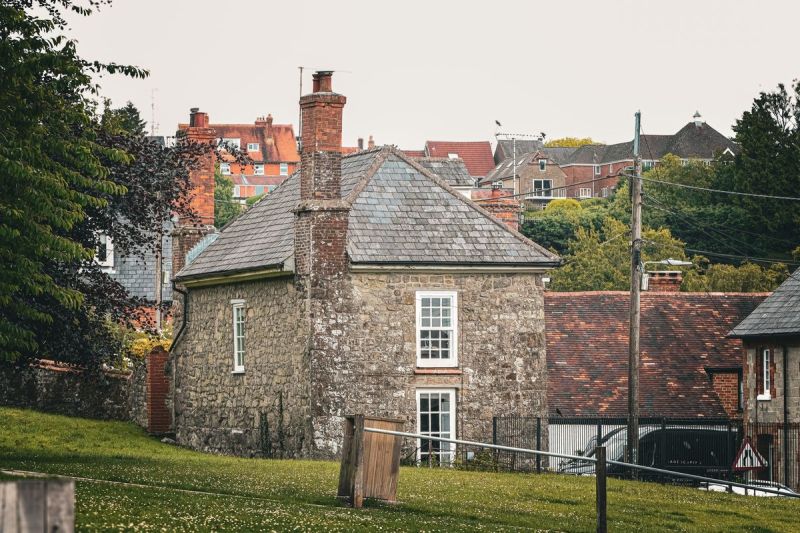
Most Purton and Cricklade houses are not thatch, though - they are natural slate or clay on brick and stone. Reclaimed slate to match an existing roof runs £1.50-£4 per slate against 60p-£1 for a modern concrete tile, so a like-for-like repair on a period roof costs more than the same job on a modern estate.
Why the Thames Valley Damp Wears Roofs Faster
Roofs in Cricklade and low-lying Purton stay wetter for longer than those on higher Wiltshire ground, and the cause is the upper Thames floodplain. Standing damp and slow drying do most of the quiet, long-term damage here, more than wind.
The 110-120 wet days a year are made worse by a valley setting that holds mist and moisture close to the ground and keeps north-facing slopes from drying out between spells of rain. That constant damp feeds moss, rots exposed timber at the eaves and in valleys, and works into any hairline gap in the pointing. The Met Office climate averages for the South West show a mild but genuinely wet regional pattern, and in a river valley the damp element lingers longest. Cricklade's position on the Thames floodplain also means gutters and ground drainage matter more here - blocked downpipes back water up under the eaves far quicker on a low, wet plot.
The practical takeaway is that preventative work pays here too, just aimed differently: keeping slopes clear of moss, valleys clean, and pointing sound stops slow damp decay long before it becomes a re-roof.
Emergency Roof Repairs: What to Do First
When a slate slips or water starts coming through, the order matters, and on a wet valley roof the covering is often already saturated when you notice. Deal with the inside first and leave the roof to a professional.
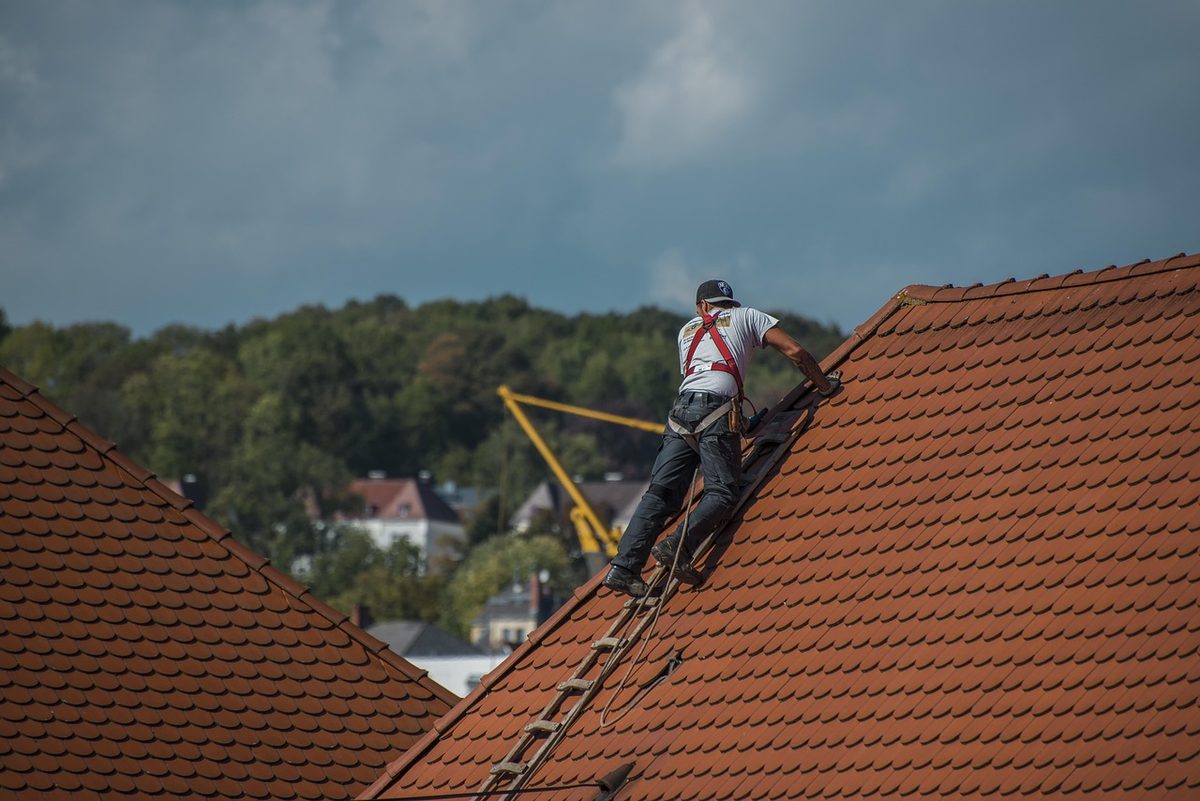
Indoors, move furniture clear, lift carpet away from the wet area, and catch the drip in a bucket. If a ceiling is sagging with trapped water, a small controlled hole lets it drain rather than the whole board collapsing. Do not climb up in wet or windy weather - falls from domestic roofs cause more injuries than the leaks themselves, and a damp older roof is slippery and unpredictable underfoot. A roofer's emergency make-safe, usually a weighted tarpaulin and temporary fixings, costs £150-£400 and holds until conditions allow a proper repair.
Save the permanent fix for a dry spell. A made-safe roof can sit for a week or two while you gather two or three quotes, and any roofer pushing a full re-roof mid-leak, before it has even dried out, is one to be wary of.
Who to Call and How to Choose a Roofer
Because Purton and Cricklade's older roofs need genuine period-roofing skill - and, on the oldest cottages, a proper thatcher - choosing the right specialist matters far more than chasing the lowest price. The north Wiltshire trades market is busy, so good roofers are often booked a few weeks out, which is a sign of quality rather than a problem.
Get three itemised quotes and check credentials properly. You can find inspected local firms through the National Federation of Roofing Contractors' find-a-member search, and cross-check them against TrustMark, the government-endorsed scheme for tradespeople. For period work, ask specifically whether they use lime mortar on stone and can source reclaimed slate to match; for a listed cottage, confirm they have worked within listed building consent before. Confirm at least £2 million public liability cover, and never hand over a large deposit - 10-25% against materials is standard, with the balance staged against completed work.
Around 1 in 4 roofing disputes come down to a vague quote rather than bad work, so make the roofer spell out access, materials, and exactly what is included. On an older stone or thatched cottage the materials and consent lines are the ones worth checking closely.
---
FAQ
Q: How much do roof repairs cost in Purton and Cricklade?
A: Most repairs sit between £150 and £900 depending on the fault. Replacing a few slipped slates has a £150-£250 minimum call-out, re-bedding ridge tiles is £45-£75 per linear metre, valley repairs are £300-£900, and re-pointing a stack £300-£900. Stone parapet repairs on period houses run £400-£1,200 and moss removal £250-£700. An emergency make-safe is £150-£400, and a full re-roof on an older cottage lands at £6,000-£14,000. Thatch is on its own scale - a re-ridge is £4,000-£8,000 and a full re-thatch £20,000-£40,000.
Q: Why do roofs in Cricklade and Purton stay damp and fail?
A: Both sit in the low-lying upper Thames valley, with Cricklade right on the Thames floodplain, so the ground holds moisture and north-facing slopes stay wet for long stretches. That constant damp feeds moss, rots eaves and valley timbers, and works into any gap in the pointing. Blocked gutters and downpipes also back water up under the eaves faster on a low, wet plot, so keeping drainage clear matters more here than on higher ground.
Q: Do thatched and stone cottages in these villages need special treatment?
A: Yes. Thatch needs a specialist thatcher, not a general roofer, and many of the oldest cottages are listed, so listed building consent from Wiltshire Council is usually needed before the roof is altered and materials must match the original. Stone roofs should be repaired like-for-like with lime mortar rather than modern cement, which traps moisture and erodes the stone, and reclaimed slate is needed to match a period roof.
Q: How do I find a reliable roofer in Purton or Cricklade?
A: Get three itemised quotes and check for membership of a recognised body such as the NFRC, plus at least £2 million public liability cover. For the older stone houses, confirm the roofer uses lime mortar and can source matching reclaimed slate; for a listed cottage, check they have worked within listed building consent before, and use a proper thatcher for thatch. Avoid large deposits - 10-25% against materials is normal, staged after that.
---
Ready to work with Roof Repairs Swindon?
Let's connect! We’re here to help.
Send us a message and we’ll be in touch.
Or give us a call today at 01793 939231
Agency Contact Form
More Marketing Tips, Tricks & Tools